Tracing the Development of Drilling Fluid Cleaning Systems in the Region.
Market Development History
Initially, drilling operations in the DRC relied on basic separation technologies, primarily utilizing coarse mesh screens and settling pits. This was largely due to limited access to advanced equipment and technical expertise. From the 1980s-2000s, the adoption of more refined shale shakers began, primarily sourced from international suppliers.
The early 2010s saw an increase in the demand for higher-capacity, automated shale shaker systems to support deeper and more complex drilling projects. This trend coincided with a growing awareness of the importance of efficient solids removal for reducing drilling costs and environmental impact. Centrifugal pumps and hydrocyclones became more commonplace.
Today, operators are increasingly exploring advanced solid control technologies like vacuum degassing and fine solids removal systems, although adoption rates vary based on project economics and operator capabilities. The focus is shifting towards integrated solid control solutions that optimize performance across the entire drilling process.
Future Development Trends
Enhanced Material Science for Shaker Screens
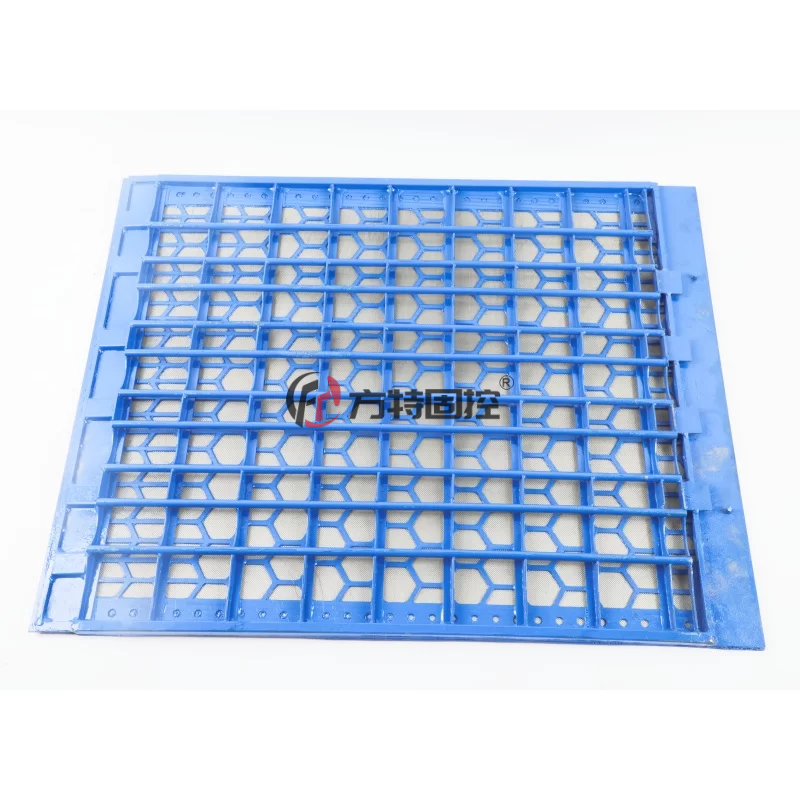
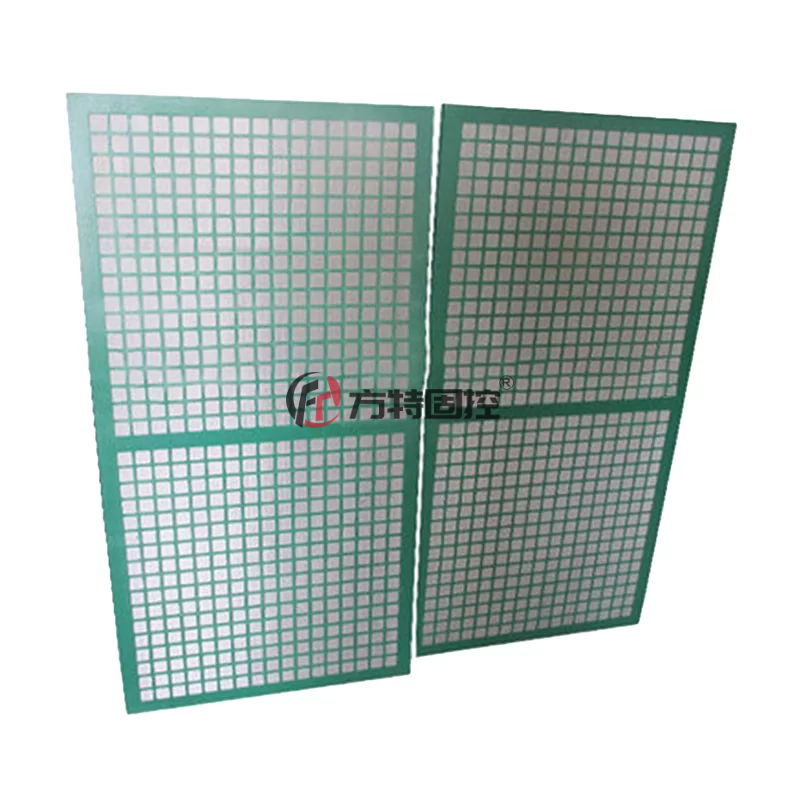
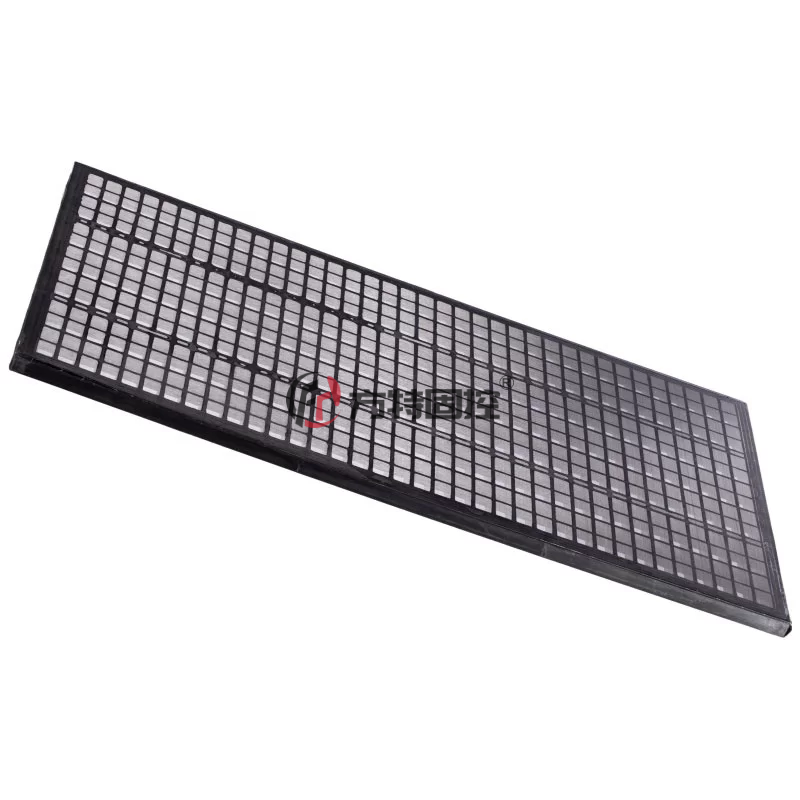
Future shaker screens will likely incorporate more advanced materials – such as composites and alloys – to enhance wear resistance, improve separation efficiency, and extend operational lifespan. These materials will be crucial in handling the abrasive shale formations prevalent in the DRC.
Smart Shale Shaker Technology
The integration of sensors and data analytics will enable real-time monitoring of shaker screen performance, allowing for predictive maintenance and optimized operating parameters. Google Trends data shows increasing search interest in ‘smart shale shakers’ and ‘remote monitoring’ within the oil and gas sector.
Modular and Portable Solid Control Systems
Given the logistical challenges of operating in the DRC, there will be a growing demand for compact, modular solid control systems that can be easily transported and deployed to remote drilling locations.