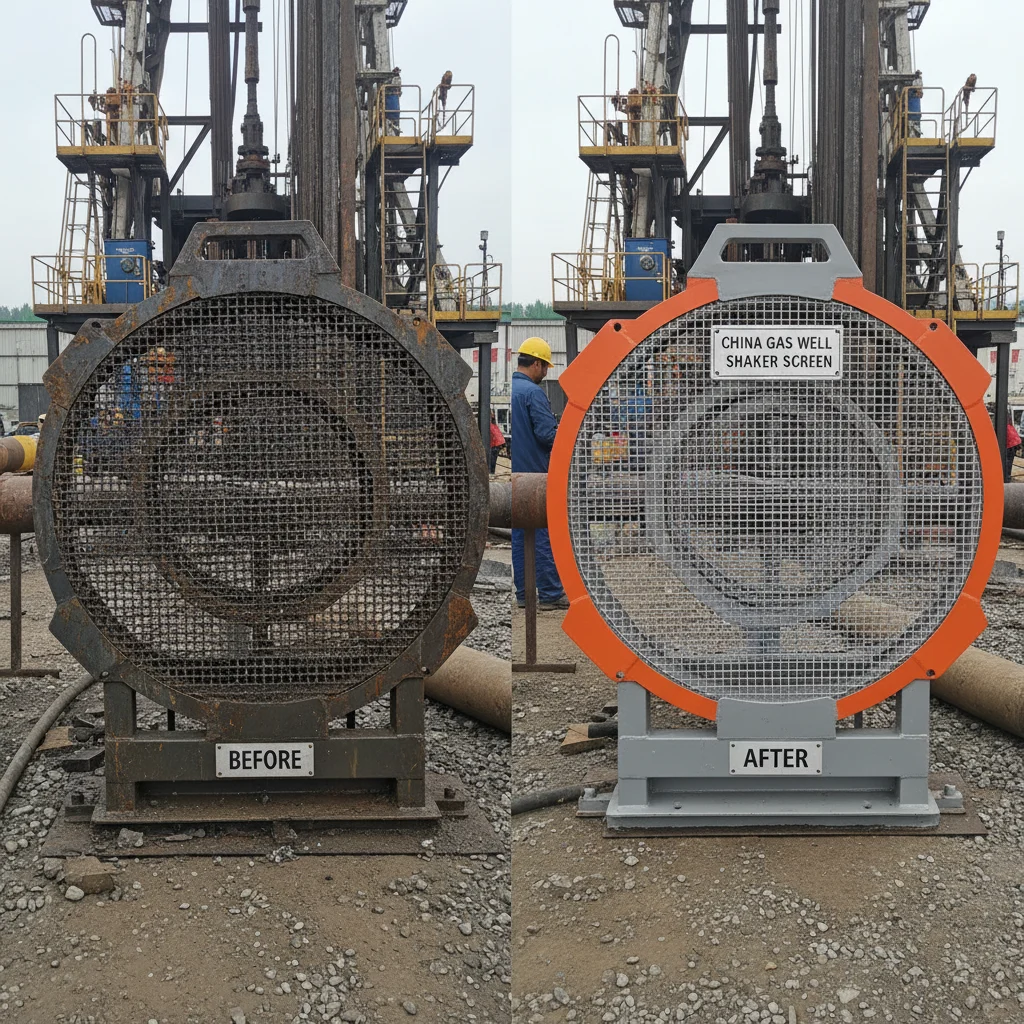
The efficiency of solids control in oil and gas drilling depends heavily on the precision of the equipment used to separate drilled cuttings from the mud. A high-performance Drilling Fluid Vibrating Screen serves as the primary defense against solids buildup, ensuring that the drilling fluid remains within optimal specifications to protect the wellbore and enhance overall drilling speed.
Across the global energy sector, the demand for durable and API-compliant separation technology has grown as operators push into deeper and more challenging geological formations. Implementing a reliable Drilling Fluid Vibrating Screen reduces the wear and tear on downstream centrifuges and pumps, directly translating to lower operational expenditures and reduced rig downtime.
Understanding the technical nuances of these screens—from mesh material and frame rigidity to API conductance standards—is essential for any drilling engineer. By optimizing the selection of a Drilling Fluid Vibrating Screen, operators can achieve a precise balance between throughput and solids removal, ensuring maximum stability and efficiency throughout the drilling process.

Industry Standards for Drilling Fluid Vibrating Screen
In the rigorous environment of oilfield operations, a Drilling Fluid Vibrating Screen must meet strict industry benchmarks to be considered viable. The primary goal is the efficient removal of drilled cuttings while reclaiming as much expensive drilling fluid as possible, a process that requires an exact balance of aperture size and screen conductance.
Modern standards emphasize not just the separation capability, but the durability of the screen under extreme G-forces. Using high-grade stainless steel mesh integrated into reinforced frames ensures that the screen does not fail prematurely, which would otherwise lead to costly fluid bypass and contaminated mud.
Core Materials and Structural Integrity
The longevity of a Drilling Fluid Vibrating Screen is determined by its material composition. Premium screens utilize high-grade stainless steel such as SS304, SS316, or SS316L for the mesh, providing essential corrosion resistance against brine, chemical additives, and harsh environmental conditions common in remote rig sites.
Supporting the mesh is the frame, typically constructed from Q235 steel. This material provides the necessary rigidity to withstand the high-frequency vibrations of the shaker without warping, ensuring that the screen maintains a tight seal against the shaker body to prevent fluid leakage.
By combining a corrosion-resistant mesh with a high-strength steel frame, the resulting screen can achieve a significantly extended working life, often ranging from 240 to 360 hours, which reduces the frequency of screen changes and minimizes operator exposure to hazardous drilling fluids.
The Role of API RP 13C Compliance
API RP 13C is the global benchmark for the manufacturing of a Drilling Fluid Vibrating Screen. This standard ensures that the conductance and separation microns are consistent across different manufacturers, allowing drilling engineers to predict mud throughput and solids removal efficiency with high accuracy.
Without strict adherence to API RP 13C, a Drilling Fluid Vibrating Screen might suffer from variable aperture sizes, leading to unpredictable fluid loss or the passage of oversized cuttings into the mud system, which increases wear on downstream pumps.
For operators, choosing a compliant Drilling Fluid Vibrating Screen means they can standardize their solids control process regardless of the rig's location, ensuring that the drilling fluid's viscosity and density are maintained within the tight tolerances required for borehole stability.
Operational Efficiency and Throughput Analysis
Maximizing the non-blank area of a Drilling Fluid Vibrating Screen is critical for achieving superior throughput. By optimizing the mesh design, manufacturers can increase the effective separation area—such as the 5.67 sq.ft found in premium FT-D380 models—allowing for a higher volume of mud to be processed per hour without overflowing the shaker.
The choice between different series, such as XR and XL, allows operators to tailor their equipment to specific needs. While some configurations are designed for maximum fluid throughput, others are optimized for the removal of ultra-fine solids, depending on the mud weight and the abrasiveness of the formation being drilled.
Comparative Performance of Drilling Fluid Vibrating Screen Types
Brand Compatibility and Precision Fit
A common challenge in solids control is the "fluid bypass" that occurs when a replacement Drilling Fluid Vibrating Screen does not fit the shaker frame perfectly. Precision-engineered screens, such as the FT-D380/D285P, are designed as direct replacements for Brandt shakers, ensuring a seamless fit that eliminates installation gaps.
By ensuring a precision fit, operators can prevent mud from leaking around the edges of the screen, which would otherwise bypass the separation process and leave solids in the active mud system. This level of compatibility is essential for maintaining the integrity of the mud properties and protecting the overall health of the drilling operation.
Applications Across Geological Formations
The versatility of the Drilling Fluid Vibrating Screen is evident in the wide range of API designations available, typically from API 20 to API 325. This range allows operators to swap screens as they transition through different geological layers, moving from coarse screens for top-hole drilling to ultra-fine screens for reservoir sections.
In remote industrial zones or high-temperature drilling environments, the choice of material becomes even more critical. The use of SS316L allows the screen to maintain structural integrity even when exposed to high-temperature drilling fluids and corrosive chemical additives used in specialized mud systems.
Whether operating in offshore platforms or onshore remote rigs, the ability to match the API mesh size to the specific formation and mud weight is what allows drilling teams to optimize their Rate of Penetration (ROP) while minimizing the risk of stuck pipe or wellbore instability.
Investment Return and Long-term Value
When evaluating the cost of a Drilling Fluid Vibrating Screen, operators must look beyond the initial purchase price and consider the total cost of ownership. Generic screens often have a shorter lifespan (120-200 hours) and lower separation precision, leading to more frequent replacements and higher maintenance costs.
Premium screens, by contrast, offer an extended service life of 240-360 hours. This reduction in screen-change frequency not only saves on material costs but also minimizes the risk of operational downtime, which can cost thousands of dollars per hour in high-stakes drilling environments.
Ultimately, the investment in high-quality solids control equipment pays for itself through improved fluid quality, reduced wear on downstream equipment, and a near-zero fluid bypass rate, ensuring that the drilling process remains efficient, safe, and cost-effective over the long term.
Comparison of Premium vs. Generic Drilling Fluid Vibrating Screen Performance
| Performance Metric |
Generic Screen |
FIT Premium Screen |
Impact on OpEx |
| Average Working Life |
120-200 Hours |
240-360 Hours |
Lower Replacement Cost |
| Material Grade |
Standard Carbon Steel |
SS304/316/316L |
Higher Corrosion Resistance |
| Separation Precision |
Variable/Low |
High (API RP 13C) |
Predictable Mud Quality |
| Fluid Bypass Rate |
Moderate |
Near Zero |
Reduced Fluid Waste |
| Maintenance Frequency |
High (Frequent Change) |
Low (Extended Life) |
Reduced Rig Downtime |
| API Compliance |
Non-Standard |
Strictly API RP 13C |
Standardized Operations |
FAQS
API RP 13C compliance ensures that the screen's conductance and separation size are standardized globally. This allows drilling operators to predict mud throughput and solids removal efficiency accurately across different brands of shakers, eliminating the guesswork associated with generic replacement parts.
While replacement intervals depend on the abrasiveness of the cuttings and mud weight, FIT premium screens typically last between 240 to 360 working hours. We recommend monitoring fluid flow rate and the percentage of solids in the mud to determine the exact replacement window for your specific operation.
Yes. By utilizing high-grade stainless steel 316L and reinforced Q235 steel frames, these screens are specifically designed to maintain their structural integrity and separation efficiency even in high-temperature applications, preventing mesh failure and frame warping.
The XR and XL series differ in their mesh construction and reinforcement patterns. The XR series is typically optimized for maximum throughput (higher flow rates), while the XL series is designed for maximum fine-solids removal, allowing operators to choose the screen based on their current drilling phase.
Absolutely. The FT-D380/D285P is engineered as a direct replacement part for original Brandt shaker equipment. This ensures a precision fit and immediate installation, eliminating the need for modifications and preventing costly fluid bypass.
Stainless steel (304/316L) prevents rust and corrosion caused by brine or chemical additives in the mud, extending the screen's life. Meanwhile, the Q235 steel frame provides the necessary rigidity to withstand the intense G-force vibrations without failing under stress.
Conclusion
In summary, the selection of a high-quality Drilling Fluid Vibrating Screen is a critical decision that impacts the entire solids control chain. By prioritizing API RP 13C compliance, premium materials like SS316L, and a precision fit for equipment such as Brandt shakers, operators can significantly enhance their separation efficiency and extend the service life of their equipment.
As drilling operations continue to evolve toward more extreme environments, the integration of durable, standardized separation technology will be the key to maintaining operational stability and reducing costs. We recommend that drilling teams implement a systematic wear-monitoring protocol to optimize replacement cycles and ensure maximum fluid quality. For more information on optimizing your solids control, visit our website: www.ftshaleshakerscreen.com