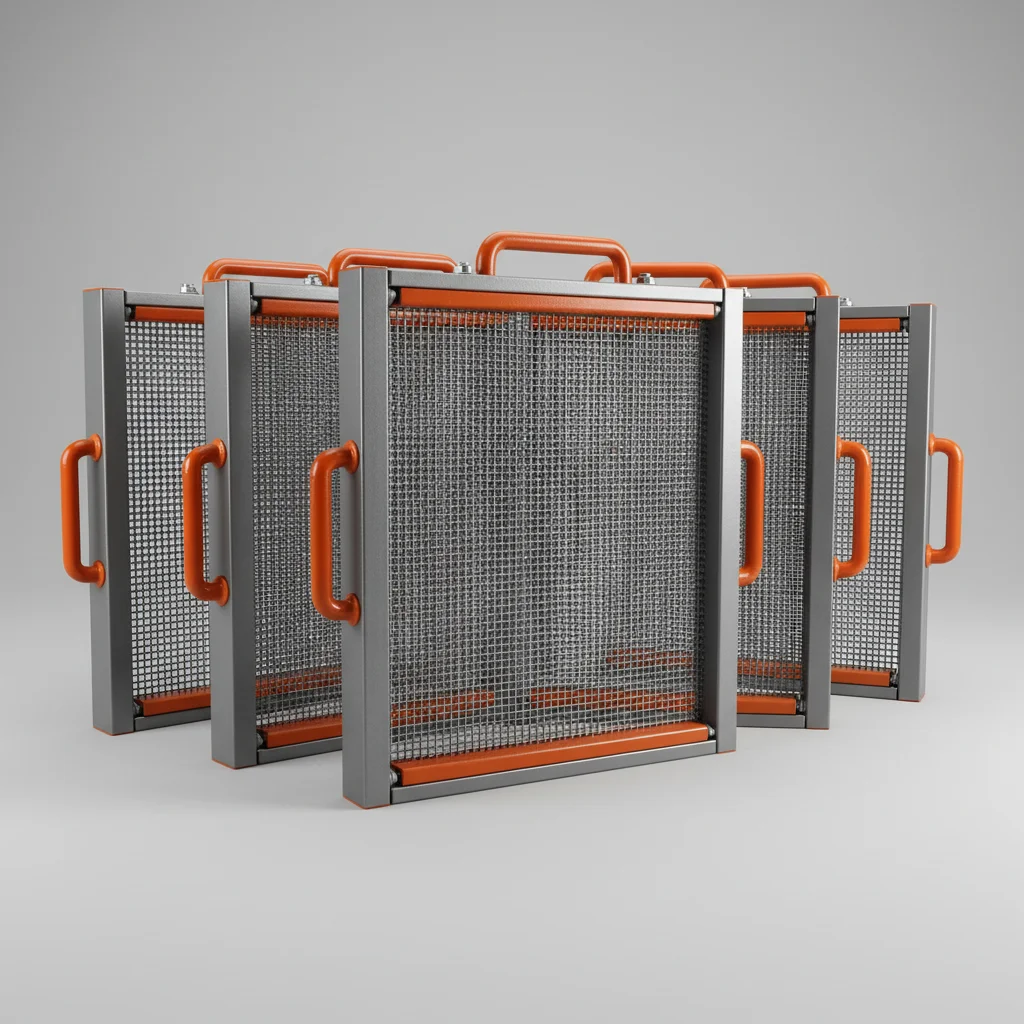
In the demanding environment of oil and gas drilling, the efficiency of solids control is paramount to maintaining wellbore stability and reducing operational costs. An Oilfield Shaker Screen serves as the primary barrier in this process, meticulously filtering drilling fluids to remove cuttings and debris. By ensuring that only cleaned mud returns to the system, these screens prevent premature equipment wear and optimize the overall drilling cycle.
The global demand for high-performance filtration has led to the development of specialized screens that can withstand extreme pressures and abrasive materials. Whether operating in deep-water offshore rigs or remote onshore sites, the reliability of the shale shaker screen directly impacts the rate of penetration and the quality of the drilling mud. Understanding the technical nuances of screen mesh, material composition, and API standards is essential for any drilling engineer aiming for peak performance.
Selecting the right Oilfield Shaker Screen is not merely about fitting a frame, but about balancing conductance and separation precision. By leveraging advanced materials like Stainless Steel 304 and 316L, modern replacement screens offer extended working lives and superior corrosion resistance, ensuring that drilling operations remain uninterrupted and cost-effective.

Technical Specifications of FT-MAMUT Screens
The FT-MAMUT series is engineered specifically as a high-precision replacement for SWACO MAMUT systems, featuring a standardized size of 1115 x 763 mm. These screens are designed to handle high volumes of drilling fluid while maintaining a strict separation threshold, with available designations ranging from API 20 up to API 325. This versatility allows operators to adjust their filtration levels based on the specific geological formations they are penetrating.
With a weight of 14.2 kg and a robust composite frame, the FT-MAMUT ensures a secure fit and minimal vibration loss during high-G operations. The series is categorized into XL and XR variations, providing flexibility in how fluids are managed across the screen surface. A comprehensive warranty period of one year underscores the confidence in the build quality and the expected working life of 240 to 360 hours under standard operating conditions.
Material Excellence and Structural Durability
The longevity of an Oilfield Shaker Screen is primarily determined by its resistance to the corrosive and abrasive nature of drilling mud. The FT-MAMUT utilizes premium Stainless Steel 304, 316, and 316L, which are selected for their exceptional ability to resist chloride-induced pitting and general oxidation. This ensures that the mesh remains intact even when exposed to harsh chemical additives and high-salinity environments.
Beyond the mesh, the frame material is constructed from high-strength composites. Unlike traditional metal frames that may succumb to fatigue or rust, composite frames provide a superior strength-to-weight ratio and dampen vibrations. This structural integrity prevents the screen from warping or loosening during the intense shaking process, thereby maintaining a consistent seal and preventing "mud bypass."
Integrating these high-grade materials results in a product that maximizes the working life of the screen. By reducing the frequency of screen changes, drilling crews can minimize downtime and lower the total cost of ownership. The synergy between the stainless steel mesh and the composite frame allows the screen to handle the rigorous demands of both shallow and ultra-deep drilling projects.
Adherence to API RP 13C Standards
Consistency is critical in solids control, which is why the FT-MAMUT Oilfield Shaker Screen is manufactured in strict accordance with the API RP 13C standard. This industry-wide benchmark ensures that the mesh size and opening specifications are uniform across different batches, allowing engineers to predict separation efficiency with mathematical precision.
Following the API RP 13C designation allows for the seamless integration of these replacement screens into existing shale shaker setups. Whether the requirement is for an API 20 screen for coarse separation or an API 325 screen for fine filtration, the standardization ensures that the conductance numbers and D100 separation microns are accurate and reliable.
By adhering to these global standards, the Oilfield Shaker Screen guarantees a predictable performance curve. This eliminates the guesswork often associated with non-standardized replacements, ensuring that the drilling fluid's viscosity and density are managed effectively to prevent borehole collapse or stuck pipe incidents.
Performance Analysis of Conductance and Separation
The efficiency of a screen is measured by its conductance—the ease with which fluid passes through the mesh—and its separation ability, defined by the D100 micron rating. For instance, the FT-MAMUT-A325XR offers a very fine separation with a conductance of 0.40, whereas the FT-MAMUT-A20XR provides a high conductance of 10.69 for rapid processing of larger solids.
Balancing these two factors is key to optimizing the "non-blank area," which for the FT-MAMUT series is consistently maintained at 5.5 sq.ft. This optimized surface area ensures that the fluid load is distributed evenly, reducing the risk of "blinding" or plugging, which can severely hamper the throughput of the shale shaker.
Conductance Comparison across Oilfield Shaker Screen Models
Global Applications in Diverse Drilling Environments
The application of the FT-MAMUT Oilfield Shaker Screen spans across various geological terrains and project types. In the Permian Basin of the USA or the oil fields of Saudi Arabia, these screens are used to handle high-volume shale cuttings during rapid drilling phases. The ability to switch between API 40 and API 100 screens allows operators to adapt to changing soil compositions in real-time.
In offshore environments, such as the North Sea or the Gulf of Mexico, space and weight are critical. The lightweight composite frame and the high-efficiency conductance of the FT-MAMUT screens help reduce the overall load on the rig's solids control system while ensuring that strict environmental regulations regarding cuttings disposal are met through precise fluid recovery.
Long-Term Value and Operational Reliability
Investing in high-quality replacement screens provides a logical and emotional advantage to drilling operators. Logically, the extended working life of 240-360 hours reduces the frequency of screen changes, which directly translates to lower labor costs and less operational downtime. When screens last longer, the project remains on schedule, and the risk of unplanned outages is significantly mitigated.
From a reliability perspective, the use of Stainless Steel 316L provides peace of mind. Knowing that the screen will not fail prematurely due to corrosion ensures the safety of the crew and the integrity of the drilling fluid. This trust in the hardware allows the team to focus on the complexities of the wellbore rather than worrying about equipment failure.
Furthermore, the compatibility of the FT-MAMUT with SWACO systems means that companies can maintain their existing infrastructure while upgrading the quality of their consumables. This approach balances the need for innovation with the practical reality of utilizing established capital equipment, maximizing the ROI of the entire shale shaker system.
Future Trends in Solids Control Technology
The evolution of the Oilfield Shaker Screen is moving toward "smart" filtration and sustainable materials. We are seeing a trend toward the integration of sensors that can monitor screen blinding in real-time, allowing for automated adjustments in shaker G-force. This digital transformation will likely lead to screens that can signal their own replacement needs before a failure occurs.
Sustainability is also playing a larger role. Future iterations may involve even more advanced composites that are fully recyclable, reducing the environmental footprint of drilling operations. The focus is shifting toward increasing the "Non-Blank Area" efficiency even further, allowing for higher flow rates without sacrificing the micron-level precision of the separation.
As automation becomes standard in the oilfield, the demand for screens that can withstand higher vibration frequencies without losing structural integrity will grow. The FT-MAMUT's current use of composite frames sets the stage for these future advancements, providing a robust foundation for the next generation of solids control technology.
Comparative Technical Analysis of FT-MAMUT Screen Designations
|
API Designation
|
Conductance Number
|
D100 Separation (Microns)
|
Operational Priority
|
| API 20 |
10.69 |
810 |
Max Flow / Coarse |
| API 60 |
4.21 |
267 |
Balanced Throughput |
| API 100 |
2.66 |
162 |
Intermediate Filtration |
| API 170 |
1.35 |
84.4 |
Fine Solids Removal |
| API 230 |
0.73 |
67 |
Precision Cleaning |
| API 325 |
0.40 |
43 |
Ultra-Fine Separation |
FAQS
The typical working life of an FT-MAMUT screen ranges from 240 to 360 hours. However, this can vary depending on the abrasiveness of the drilled solids, the G-force settings of the shaker, and the chemical composition of the drilling mud. Using high-grade Stainless Steel 316L helps maximize this duration by resisting corrosion.
The FT-MAMUT is specifically designed as a replacement for SWACO MAMUT shale shakers. While it follows API RP 13C standards, which are universal, the physical dimensions (1115x763 mm) and frame design are tailored for MAMUT equipment. For other brands like Brandt or FSI, please refer to our specific replacement categories.
A low API number (e.g., API 20) means larger openings, which allows for faster fluid passage (higher conductance) but removes only larger particles. A high API number (e.g., API 325) has very small openings for removing fine silts and clays but results in lower conductance. Choose based on your mud cleaning requirements and the size of the cuttings you need to remove.
Composite frames are lighter and significantly more resistant to corrosion than steel. They also possess better vibration-damping properties, which reduces the stress on the shaker's motor and prevents the screen from loosening or warping under high-intensity operation, thereby extending the life of the entire system.
The XR series denotes a specific design configuration aimed at optimizing fluid flow and solids discharge. It is engineered to work with high-capacity shakers to ensure that the non-blank area of 5.5 sq.ft is utilized effectively, minimizing the risk of mud carry-over into the next stage of the solids control system.
While many industry consumables are sold without long-term warranties due to the extreme wear nature of the job, FANGTE provides a 1-year warranty for the FT-MAMUT. This reflects our confidence in the quality of the Stainless Steel 304/316L mesh and the structural integrity of the composite frame.
Conclusion
The FT-MAMUT series represents a pinnacle of engineering for the modern Oilfield Shaker Screen, blending the rigorous requirements of API RP 13C standards with high-performance materials. By offering a wide range of API designations and utilizing corrosion-resistant stainless steel and composite frames, these screens ensure maximum efficiency in solids control. The balance of high conductance and precise separation allows drilling operators to maintain mud quality and protect their equipment, ultimately leading to faster and safer drilling cycles.
Looking ahead, the integration of more durable materials and smarter design will continue to reduce the operational cost per foot drilled. For operators seeking to optimize their SWACO MAMUT systems, upgrading to high-specification replacement screens is a strategic move that enhances reliability and sustainability. We invite you to explore our full range of solutions to ensure your rig operates at peak performance. Visit our website: www.ftshaleshakerscreen.com