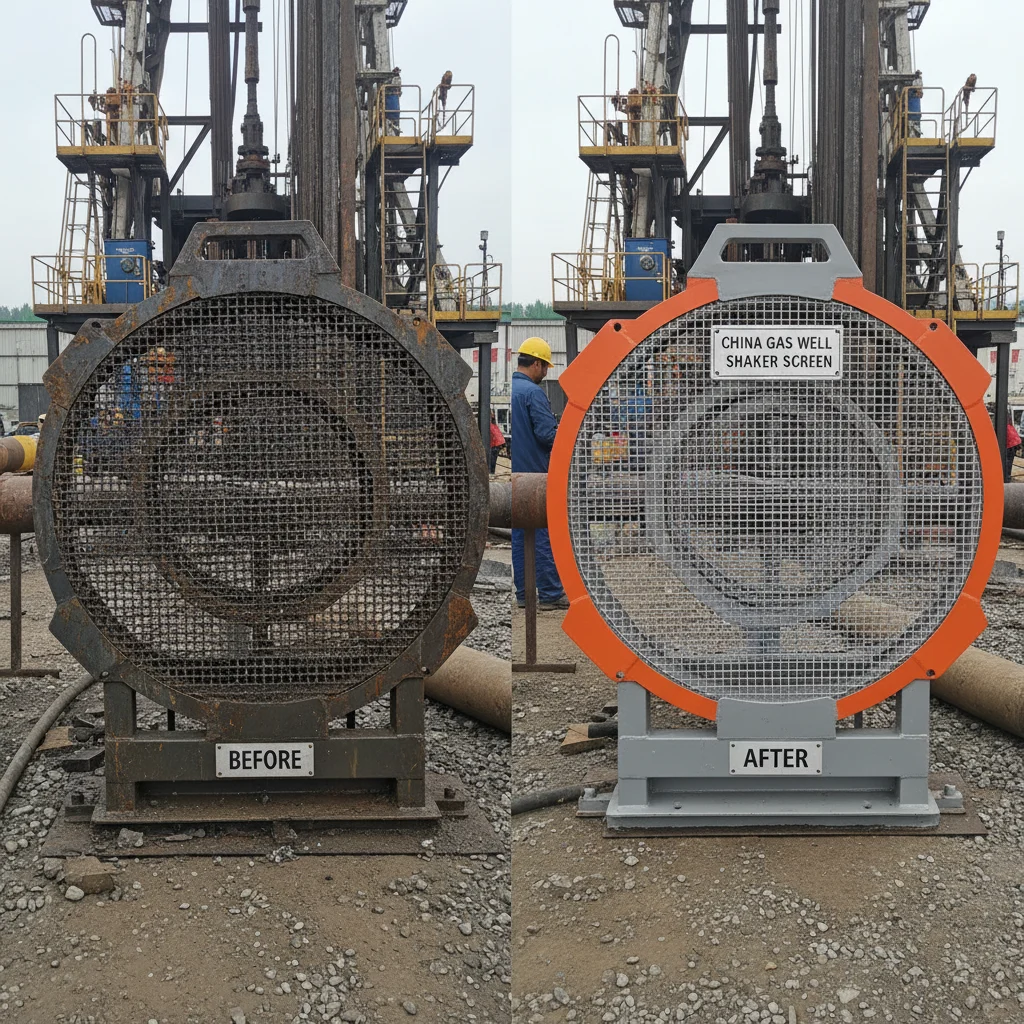
In the high-stakes environment of oil and gas drilling, the efficiency of solids control is paramount to maintaining rig productivity and reducing operational costs. A critical component in this process is the shale shaker screen, which acts as the primary barrier against drilled solids entering the mud system. When these screens wear down, the quality of the drilling fluid degrades, leading to increased wear on downstream equipment and potentially costly downtime.
Selecting a high-quality Replacement Shaker Mesh is not merely a maintenance task but a strategic decision to optimize fluid throughput and particle separation. By utilizing screens that adhere to strict international standards, operators can ensure that their drilling fluid is cleaned of contaminants with precision, thereby protecting the integrity of the entire drilling loop.
The Fangte FT-PWP 2000 series represents a pinnacle in filtration technology, specifically engineered as a Replacement Shaker Mesh for Driock 2000 equipment. These screens combine premium stainless steel materials with API RP13C compliance to deliver exceptional durability and consistent performance in the most demanding geological formations.

The Role of Precision Engineering in Replacement Shaker Mesh
Precision engineering is the cornerstone of an effective Replacement Shaker Mesh. For the FT-PWP 2000 series, this means ensuring a perfect fit for Driock 2000 equipment with dimensions of 1053 x 697 mm. When a screen fits perfectly, it eliminates the risks of fluid leakage and excessive vibration, both of which can lead to premature mechanical failure of the shaker unit.
Beyond physical dimensions, precision applies to the aperture size. By offering a range of API designations from API 120 to API 400, these screens allow operators to tune their solids control system to the exact size of the cuttings encountered in the wellbore. This level of control is essential for maintaining the desired mud weight and viscosity, ensuring that the drilling process remains stable and efficient.
Material Science and Corrosion Resistance
The harsh chemical environment of drilling fluids, often laden with salts and corrosive additives, requires the use of superior materials in any Replacement Shaker Mesh. The FT-PWP 2000 series utilizes premium-grade stainless steel, including SS304, SS316, and SS316L. These materials are chosen for their ability to withstand extreme oxidative stress and prevent pitting.
Specifically, the use of SS316L is a critical upgrade for high-chloride environments. The addition of molybdenum in 316L provides a significant advantage in preventing localized corrosion, which typically occurs at the junctions of the mesh wires. This structural integrity ensures that the screen does not fail unexpectedly, preventing "mud dumps" that could halt drilling operations.
By investing in these high-grade alloys, operators extend the physical life of the mesh. While standard steel screens may degrade rapidly under chemical attack, the premium stainless steel construction ensures that the mesh maintains its aperture shape and tensile strength throughout its intended working life of 240 to 360 hours.
API RP13C Standards and Global Compliance
The API RP13C standard is the global benchmark for shale shaker screens, ensuring that a Replacement Shaker Mesh provides predictable performance regardless of the manufacturer. This standardization allows drilling crews to switch screens based on geological changes without worrying about whether the new mesh will fit or perform according to the API designation.
Compliance with API RP13C means that the FT-PWP 2000 screens undergo rigorous testing for aperture size and conductance. This ensures that when an operator selects an API 200 screen, it will consistently remove particles above that specific threshold, providing a reliable level of solids control that is essential for protecting downstream centrifuges and pumps.
Furthermore, global compliance reduces the logistical burden on international drilling projects. Because these screens meet recognized international standards, they can be deployed across various regions—from the Permian Basin to the North Sea—with the confidence that the Replacement Shaker Mesh will integrate seamlessly into the existing solids control hardware.
Performance Comparison: Standard vs. Premium Mesh
When evaluating the ROI of solids control, the difference between a standard screen and a premium Replacement Shaker Mesh becomes evident in the operational data. Standard screens often suffer from shorter lifespans, typically ranging from 150 to 200 hours, which necessitates more frequent change-outs and increases the risk of downtime.
In contrast, the Fangte PWP screens are engineered for an extended service life of 240 to 360 hours. This increase in longevity, coupled with higher conductance—allowing more fluid to pass through while still capturing fine solids—results in a significantly lower total cost of ownership per foot drilled.
Comparative Performance Rating of Replacement Shaker Mesh Types
Operational Impact on Downstream Equipment
The efficiency of the Replacement Shaker Mesh has a direct ripple effect on the rest of the solids control system. When a screen fails or allows too many fines to pass through, the burden shifts to the degassers, desanders, and desilters. This leads to accelerated wear on pump impellers and valves, increasing the overall maintenance budget of the rig.
By utilizing the FT-PWP 2000's high conductance and precise API separation, operators can ensure that the fluid reaching the downstream equipment is already optimized. This reduces the load on centrifuges and decreases the volume of waste mud that must be processed, contributing to a more sustainable and cost-effective drilling operation.
Mesh Geometry: Rectangular vs. Hexagonal Designs
Choosing the right geometry for your Replacement Shaker Mesh is critical for balancing fluid throughput with separation precision. Rectangular meshes are traditionally preferred for specific separation tasks where a very precise aperture is required to remove a narrow range of particle sizes.
On the other hand, hexagonal perforated meshes typically offer a larger open area. This increased open area results in higher conductance, allowing the drilling fluid to pass through more quickly, which is vital during high-rate drilling where fluid volume is significant. The hexagonal structure also tends to be more resistant to "blinding" (clogging), further reducing downtime.
The FT-PWP 2000 series provides both options, allowing the drilling engineer to select the mesh shape that best fits the specific geological formation. Whether the priority is maximum throughput in sandy formations or extreme precision in clay-heavy zones, the flexibility in geometry ensures peak productivity.
Lifecycle Management and Cost Efficiency
Effective lifecycle management of a Replacement Shaker Mesh involves more than just replacing a worn part; it requires real-time monitoring and scheduled maintenance. By tracking flow rates and conductance, operators can determine the optimal replacement cycle, preventing the catastrophic failure of a screen that could lead to expensive mud loss.
Integrating wear alerts based on the 240-360 hour working life allows for streamlined logistics. Instead of reactive replacements, which often lead to emergency shipping costs, companies can implement a just-in-time inventory system. This ensures that the correct API mesh is always on-site before the current one reaches its limit.
Ultimately, the investment in premium PWP screens pays for itself through reduced labor costs and fewer equipment failures. When comparing the maintenance costs of standard screens—which require frequent changes—to the long-life PWP series, the reduction in operational expenditure is substantial.
Operational Efficiency Comparison of Replacement Shaker Mesh Series
|
Mesh Series
|
Average Service Life
|
Conductance Rating
|
Maintenance Cost
|
| Standard Steel |
150-200 Hours |
Moderate |
High |
| PWP SS304 |
240-300 Hours |
High |
Medium |
| PWP SS316 |
300-340 Hours |
Very High |
Low |
| PWP SS316L |
340-360 Hours |
Excellent |
Very Low |
| Generic Alloy |
180-220 Hours |
Moderate |
High |
| API Hybrid |
200-260 Hours |
High |
Medium |
FAQS
API RP13C ensures that screens from different manufacturers are interchangeable and meet strict performance criteria for aperture size and conductance. This means a Replacement Shaker Mesh from Fangte will provide the same predictable solids control as other API-certified screens, allowing for seamless integration and consistent fluid quality across different equipment brands.
Stainless steel 316L contains molybdenum, which provides significantly better resistance to pitting and corrosion in chloride-rich drilling environments compared to standard steel or SS304. This makes it the ideal Replacement Shaker Mesh for deep-water or high-salinity wells, where corrosive fluids would otherwise eat through the mesh wires quickly.
Yes, both shapes are available for the FT-PWP 2000 series. Hexagonal meshes generally offer higher open areas and better conductance, making them ideal for higher flow rates. Rectangular meshes are preferred when the operation requires a specific, rigid separation precision. You can choose the shape that matches your mud weight and geological requirements.
The working life of a Replacement Shaker Mesh is primarily affected by the abrasiveness of the drilled solids (e.g., quartz sand), the chemical composition of the drilling mud, and the G-force settings of the shaker. Excessive vibration or highly acidic fluids can accelerate wear, while premium materials like SS316L help mitigate these effects.
Selection depends on the size of the solids you need to remove. A higher API number (e.g., API 400) indicates a finer mesh for removing very small particles, while a lower number (e.g., API 120) is used for removing larger cuttings. Choosing the correct Replacement Shaker Mesh prevents the system from being overloaded with fines while ensuring maximum cutting removal.
While the FT-PWP 2000 is specifically precision-sized for Driock 2000 equipment, Fangte offers a complete range of replacement screens for Swaco, Brandt, FSI, Kemtron, and Scomi. This ensures that regardless of your equipment fleet, you can access a high-performance Replacement Shaker Mesh that meets API standards.
Conclusion
In summary, the selection of a high-performance Replacement Shaker Mesh is a critical factor in the overall efficiency of the drilling fluid system. By combining premium materials like SS316L stainless steel with strict adherence to API RP13C standards, the Fangte FT-PWP 2000 series provides the durability, precision, and conductance necessary to minimize downtime and protect downstream equipment. From the choice of mesh geometry to the strategic management of replacement cycles, every detail contributes to a more reliable and cost-effective drilling operation.
Looking forward, the integration of performance monitoring and precision-engineered consumables will continue to drive the industry toward zero-downtime goals. We recommend that operators audit their current screen lifespan and transition to premium API-certified meshes to maximize their ROI and operational safety. For those seeking to optimize their solids control efficiency, visit our website: www.ftshaleshakerscreen.com.