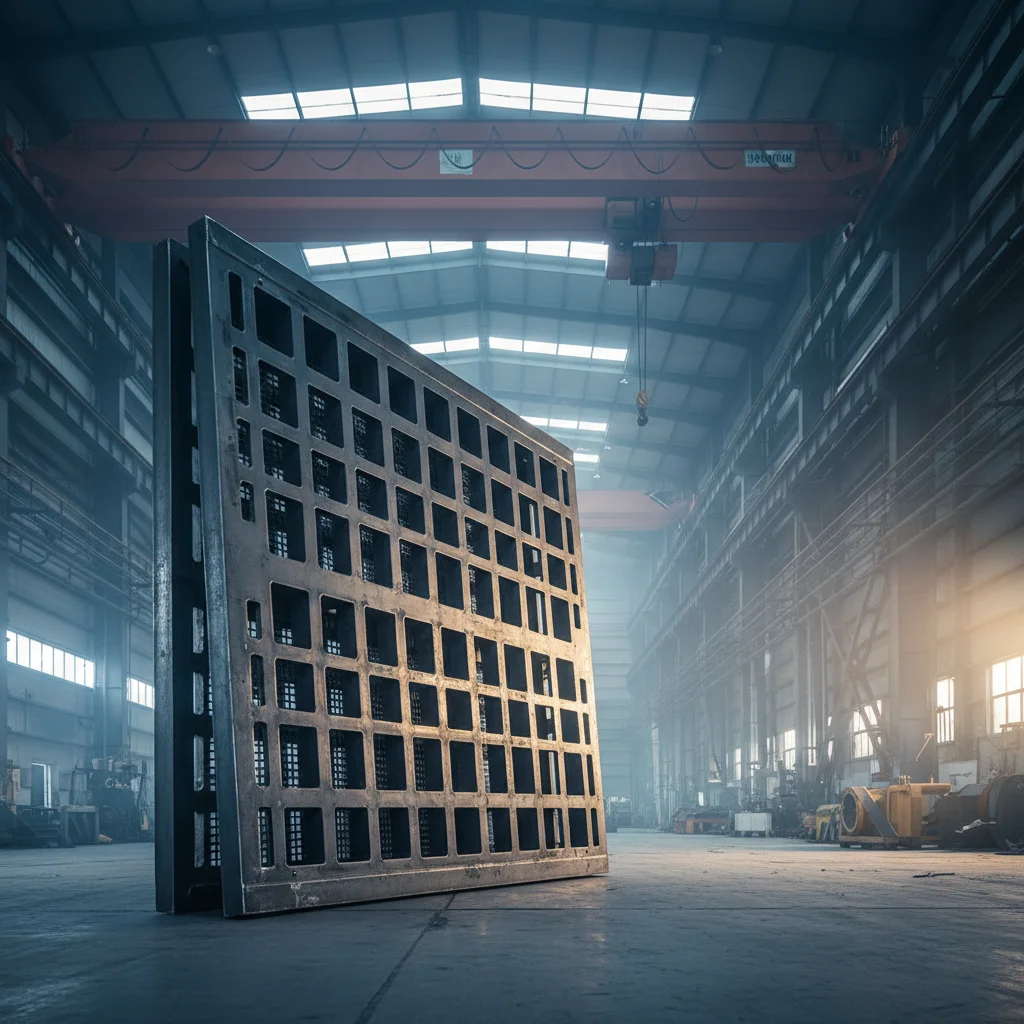
Efficient solids control is the cornerstone of modern drilling operations, where the ability to rapidly remove drilled cuttings from the fluid stream determines the overall success of the well. Among the critical components of this process, the use of a high-performance Vibrating Sieve for Drilling Mud ensures that the mud maintains its optimal rheological properties, reducing wear on pumping equipment and preventing costly borehole instability.
In the challenging environments of oil and gas exploration, the mechanical separation of solids is not merely a technical requirement but a financial imperative. By implementing a precision-engineered Vibrating Sieve for Drilling Mud, operators can significantly decrease the volume of wasted drilling fluid and lower the consumption of expensive chemical additives required to maintain mud weight.
The industry is currently shifting toward more durable and API-standardized equipment to meet the demands of deeper and more complex wells. Understanding the technical specifications of a replacement shale shaker screen, such as the FT-VSM 300SE designed for Brandt VSM 300 Sedonary, allows engineers to optimize the balance between conductance and separation efficiency, ensuring the longevity of the entire solids control system.

Technical Specifications of the FT-VSM 300SE
The FT-VSM 300SE is a precision-engineered replacement screen specifically designed for the Brandt VSM 300 Sedonary. With dimensions of 203686 mm and a weight of 5.65 kgs, this Vibrating Sieve for Drilling Mud utilizes a pretensioned, repairable screen layer that ensures maximum stability under high G-force vibrations.
Constructed with a body made of Q235 steel or high-strength composite materials, the unit maintains a consistent 7° screen angle to optimize the flow of mud and the discharge of solids. This specific geometry prevents the "pooling" of mud, allowing for a continuous and efficient separation process throughout the drilling cycle.
The Role of API RP 13C Standards in Separation
In the global drilling industry, standardization is critical for ensuring interchangeable parts and predictable performance. The FT-VSM 300SE adheres strictly to the API RP 13C standard, which governs the designation and testing of shale shaker screens. This ensures that when a driller selects a specific API number, the separation cut-off is consistent regardless of the manufacturer.
Following these standards allows for precise control over the "D100 Separation" metric, which refers to the particle size at which 100% of the solids are removed. For instance, the FT-VSM 300SE range spans from API 40 to API 325, providing a wide spectrum of filtration capabilities to handle different geological formations and mud weights.
By utilizing API RP 13C designated screens, operators can implement a systematic approach to mud cleaning. Instead of relying on trial and error, they can calculate the required conductance and non-blank area (which is 2.28 sq.ft for this model) to ensure that the Vibrating Sieve for Drilling Mud does not become a bottleneck in the circulation system.
Material Durability and Corrosion Resistance
The harsh chemical environment of drilling mud—often containing salts, caustic soda, and abrasive cuttings—requires materials that can withstand extreme corrosion. The FT-VSM 300SE employs high-grade Stainless Steel 304, 316, or 316L for the mesh, making it an exceptionally resilient Vibrating Sieve for Drilling Mud.
Stainless Steel 316L, in particular, offers superior resistance to pitting and crevice corrosion in chloride-rich environments. This material choice ensures that the screen maintains its structural integrity and aperture precision over its 240-360 hour working life, preventing premature failure that could lead to costly rig downtime.
Beyond the mesh, the body material options of Q235 steel or composite provide a balance between rigidity and weight. This ensures that the Vibrating Sieve for Drilling Mud can withstand the constant mechanical stress of high-frequency vibration without developing fatigue cracks in the frame.
Performance Analysis of Different Mesh Designations
The efficiency of a solids control system depends on choosing the right mesh size for the specific formation being drilled. A finer mesh, such as the API 325 (D100 of 43 microns), provides the highest level of filtration but has the lowest conductance (0.40), meaning the mud passes through more slowly.
Conversely, a coarser mesh like the API 20 (D100 of 810 microns) offers a massive conductance of 10.69, allowing for rapid fluid throughput during high-ROP (Rate of Penetration) sections. Balancing these factors is key to optimizing the Vibrating Sieve for Drilling Mud for each phase of the well.
Efficiency Rating of Various Vibrating Sieve for Drilling Mud Mesh Sizes
Integration with Brandt VSM 300 Sedonary Systems
The FT-VSM 300SE is meticulously engineered to serve as a direct replacement for the Brandt VSM 300 Sedonary, ensuring a seamless fit and installation process. Because the screen is designed to the exact dimensions of the original equipment, it eliminates the risk of leakage or vibration imbalances that often occur with generic, non-fitted alternatives.
By maintaining the precise 7° angle and pretensioned layer, this Vibrating Sieve for Drilling Mud ensures that the shaker operates at peak mechanical efficiency. This integration reduces the strain on the shaker's motors and bearings, extending the overall life of the drilling rig's solids control equipment.
Operational Life and Maintenance Strategies
A typical Vibrating Sieve for Drilling Mud of this caliber has an expected working life of 240 to 360 hours, depending on the abrasiveness of the formation. To maximize this window, operators should implement a routine inspection schedule to check for mesh blinding or structural wear.
One of the key advantages of the FT-VSM 300SE is its repairable screen layer. Unlike disposable screens that must be discarded at the first sign of a small tear, the repairable design allows for localized patching, which can extend the functional life of the unit and reduce total operational costs.
Proper installation is equally critical; ensuring the pretension is correctly set prevents the screen from "slapping" against the frame, which is a common cause of premature fatigue failure. With a 1-year warranty, the product provides peace of mind regarding manufacturing defects, though operational wear remains the primary driver for replacement.
Comparison of XR and XL Series Configurations
Depending on the specific requirements of the drilling fluid and the desired separation precision, users can choose between the XR and XL series. The XR series, featured in the FT-VSM 300SE models, is optimized for high-stress environments where consistent conductance and high-tension stability are paramount.
The XL series offers alternative configurations that may be better suited for specific fluid viscosities or different types of shale. Choosing the correct series for your Vibrating Sieve for Drilling Mud involves analyzing the mud's plasticity coefficient and the expected size of the cuttings to be removed.
Ultimately, the choice between XR and XL depends on the trade-off between throughput and precision. While the XR series provides a robust standard for the VSM 300, the XL option allows for customization to meet extreme operational parameters, ensuring that the rig remains productive regardless of the geological challenges encountered.
Technical Comparison of FT-VSM 300SE Mesh Designations
|
API Designation
|
Conductance Number
|
D100 Separation (Microns)
|
Application Suitability
|
| API 325 |
0.40 |
43 |
Ultra-fine solids removal |
| API 170 |
1.35 |
84.4 |
General purpose fine cleaning |
| API 100 |
2.66 |
162 |
Standard shale removal |
| API 60 |
4.21 |
267 |
Coarse cutting removal |
| API 40 |
8.64 |
438 |
High-ROP initial stages |
| API 20 |
10.69 |
810 |
Maximum throughput/coarse solids |
FAQS
The FT-VSM 300SE is specifically designed as a replacement for the Brandt VSM 300 Sedonary, ensuring a perfect fit and adhering to API RP 13C standards. Unlike generic screens, it features a pretensioned, repairable layer and a precise 7° angle, which optimizes fluid flow and significantly reduces the risk of screen failure due to vibration imbalances.
Selection depends on the required separation cut-off (D100) and the allowed conductance. For ultra-fine solids, API 325 is ideal. For high-throughput stages with coarser cuttings, API 20 or 40 is recommended. Always balance the need for fluid clarity (fine mesh) with the need to avoid "mud-over" (high conductance/coarse mesh).
The FT-VSM 300SE typically has a working life of 240 to 360 hours. However, this varies based on the abrasiveness of the drilled solids and the chemical composition of the mud. Regular inspections and using the "repairable" feature of the screen layer can help extend its operational window.
Yes, Stainless Steel 316L is highly recommended for high-salinity or corrosive environments. It provides superior resistance to pitting and chloride-induced corrosion compared to standard 304 stainless steel, ensuring the screen apertures remain consistent and the frame stays structurally sound.
Pretensioning refers to the process where the screen mesh is stretched to a specific tension before being fixed to the frame. This ensures the mesh remains flat and stable during high-frequency vibration, preventing "flutter" or "slapping," which would otherwise lead to rapid metal fatigue and screen rupture.
This specific model is engineered for the Brandt VSM 300 Sedonary. While other brands may have similar dimensions, using a screen not specifically designed for the machine's geometry and tensioning system can lead to poor separation efficiency and increased mechanical wear. We recommend using brand-specific replacements.
Conclusion
In summary, the FT-VSM 300SE represents a high-standard solution for solids control, blending API RP 13C compliance with robust materials like Stainless Steel 316L. By optimizing the balance between conductance and separation across a wide range of mesh designations, this Vibrating Sieve for Drilling Mud ensures that drilling operations remain efficient, reducing fluid waste and protecting expensive downhole equipment.
Looking forward, the integration of repairable screen layers and precision-engineered geometry will continue to drive down the total cost of ownership for drilling contractors. We suggest that operators regularly audit their mesh selection against the current formation data to maximize the working life of their screens and ensure peak rig performance. For more information on our full range of replacement screens, visit our website: www.ftshaleshakerscreen.com.