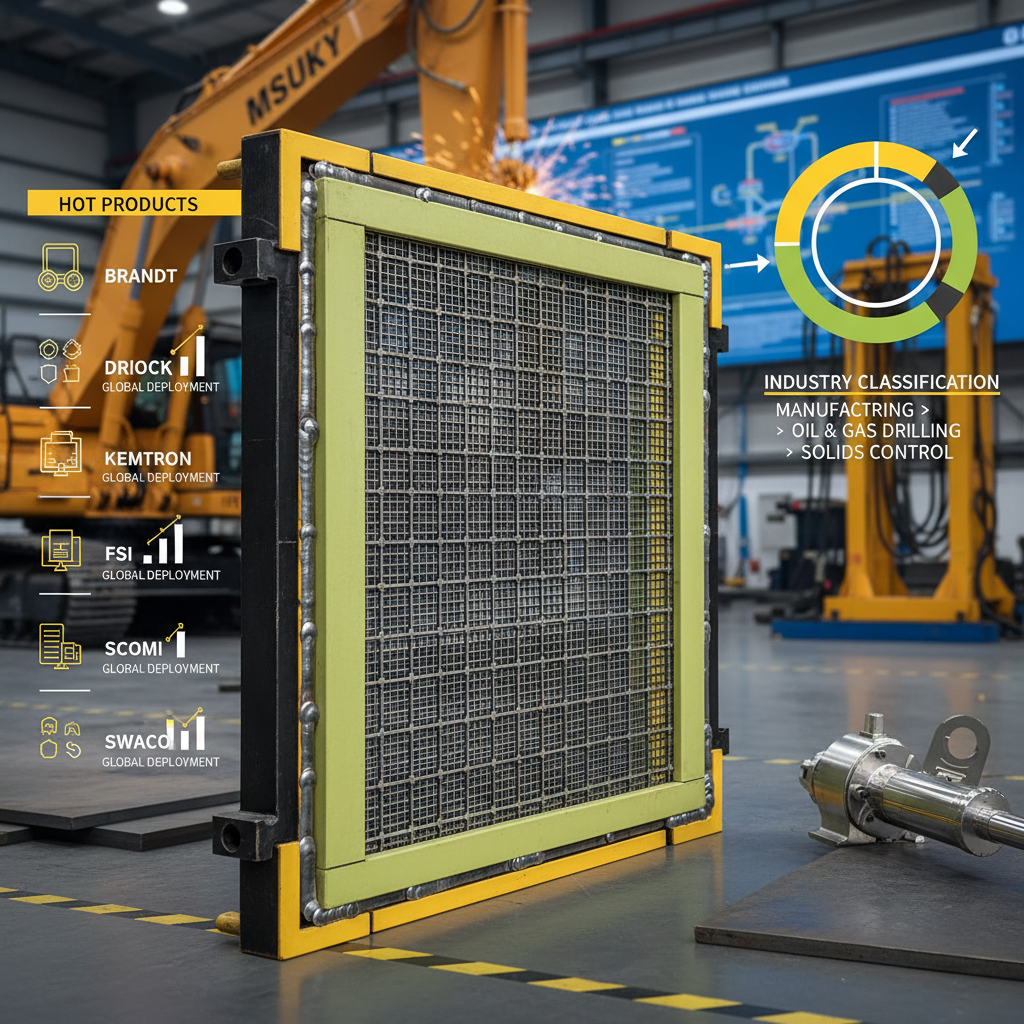
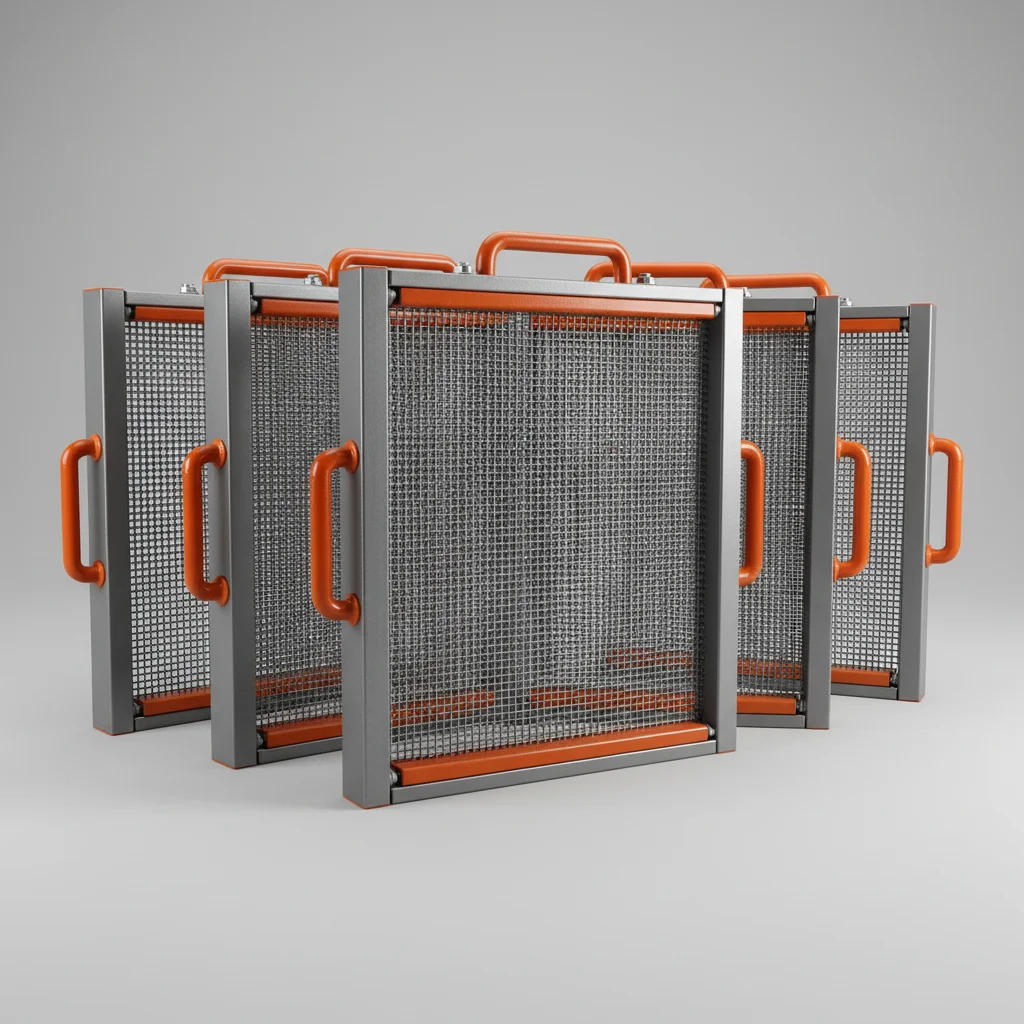
In the high-stakes environment of oil and gas drilling, the efficiency of solids control is paramount to maintaining wellbore stability and reducing operational costs. The China Composite shale shaker screen has emerged as a critical innovation, offering a robust solution for separating drilled cuttings from drilling fluids. By combining advanced materials with precision engineering, these screens ensure that only the cleanest mud returns to the active system, thereby extending the life of downstream equipment.
Across global drilling sites, from the Permian Basin to the North Sea, the demand for high-performance filtration has led to a shift toward composite technologies. Unlike traditional wire mesh, the China Composite shale shaker screen utilizes multi-layered synthetic fibers and reinforced polymers to handle abrasive solids without premature failure. This evolution in material science directly addresses the challenge of "screen blinding," which often plagues operators during critical drilling phases.
Understanding the technical nuances of these screens allows drilling engineers to optimize their G-force settings and fluid throughput. Whether you are utilizing replacement screens for Brandt, Swaco, or FSI systems, the integration of a high-quality China Composite shale shaker screen can significantly reduce non-productive time (NPT) and lower the total cost of ownership per foot drilled.
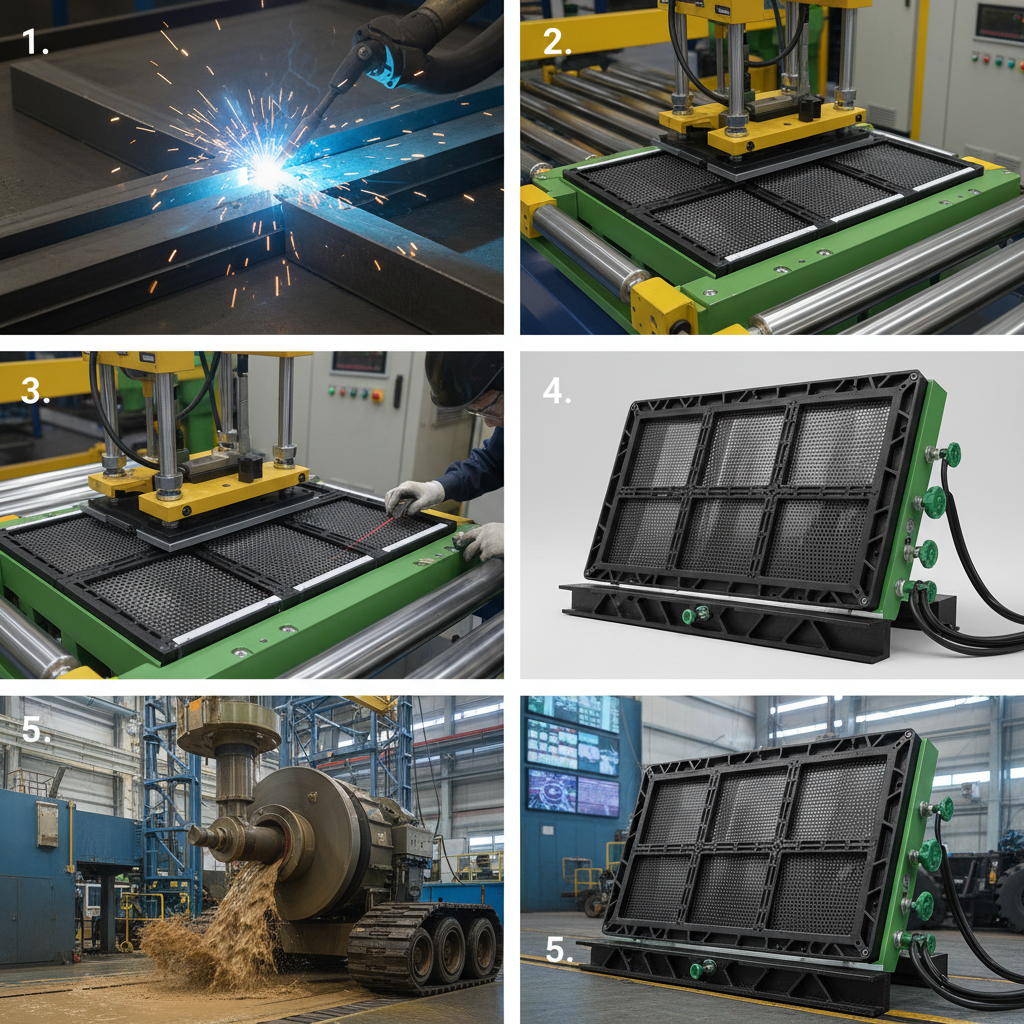
The Technical Composition of China Composite shale shaker screen
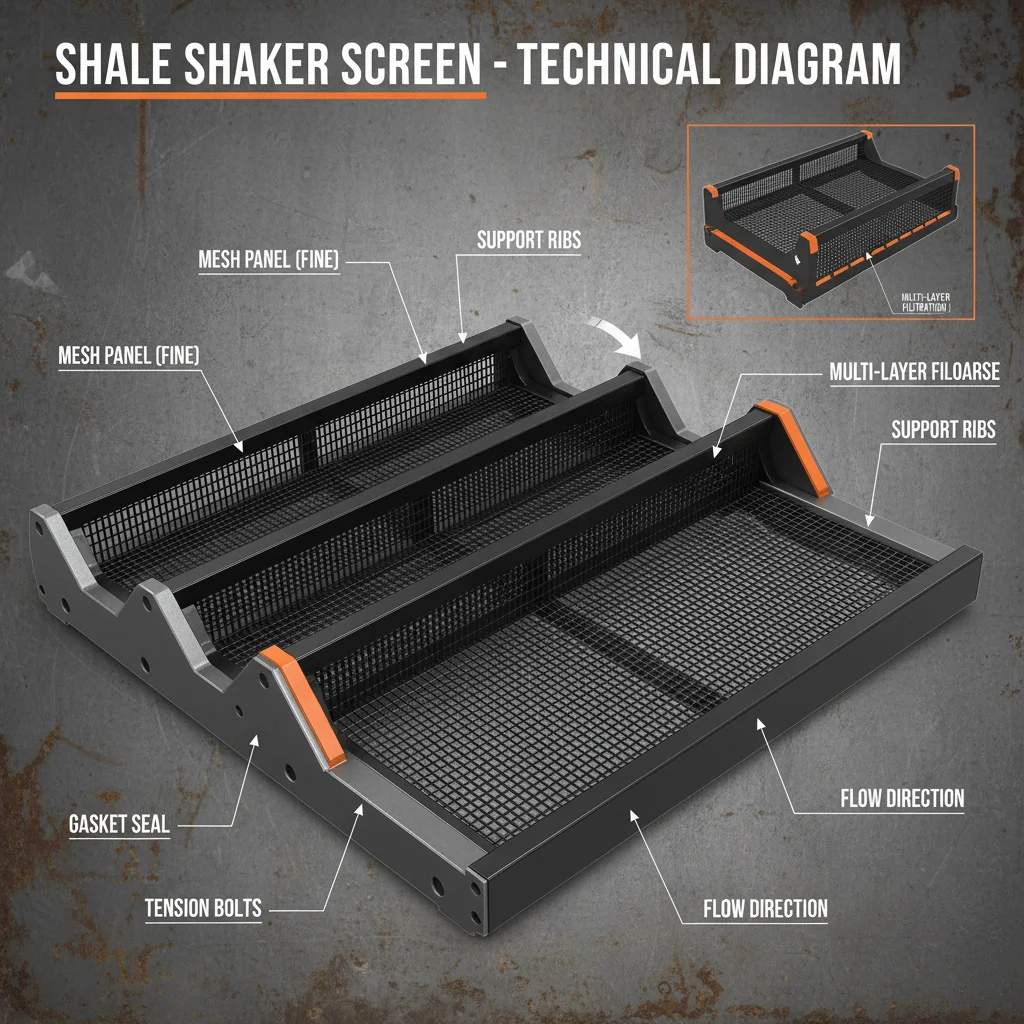
The architecture of a China Composite shale shaker screen is a marvel of modern materials science, moving far beyond the limitations of simple steel wire. These screens are typically constructed from a high-tenacity polyester or nylon mesh, which is then fused with a specialized polyurethane or thermoplastic elastomer. This composite layering creates a "three-dimensional" filtration surface that resists tearing and abrasion while maintaining a precise aperture size for effective solids separation.
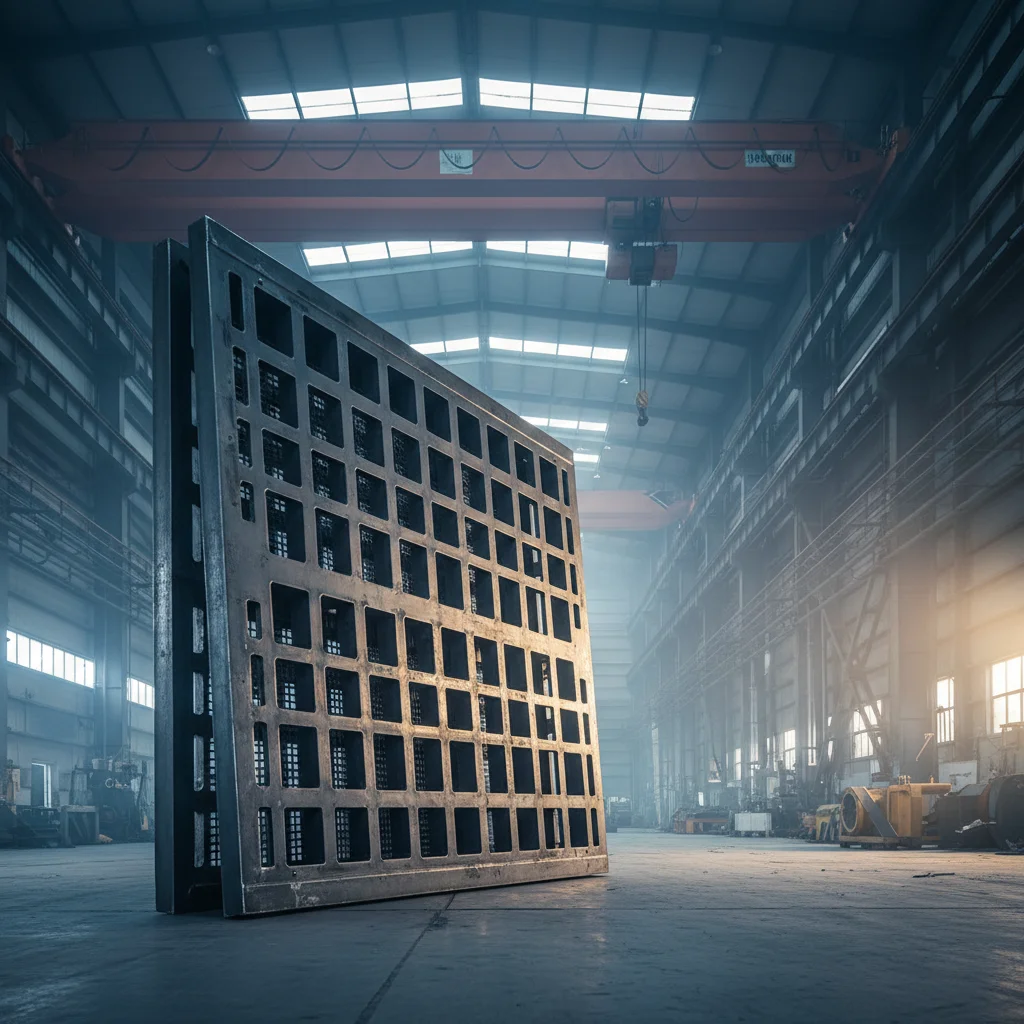
By integrating a reinforced backing plate and high-strength borders, the screen can withstand the intense G-forces generated by linear motion shakers. The result is a product that does not just filter fluid, but actively resists the wear and tear of sharp cuttings, ensuring that the aperture remains open and functional for longer durations compared to traditional options.
Industry Impact and Global Demand for Composite Screens
On a global scale, the oil and gas industry is under immense pressure to increase drilling efficiency while adhering to stricter environmental regulations regarding waste management. The adoption of the China Composite shale shaker screen has become a strategic move for operators looking to optimize their mud recovery. With the rise of deep-water drilling and unconventional shale plays, the ability to process larger volumes of fluid with higher precision is no longer optional—it is a necessity for survival.
Market data suggests a steady migration toward composite solutions because they directly address the "total cost of ownership" problem. When a screen fails mid-operation, the cost is not just the price of the replacement part, but the thousands of dollars lost in rig downtime. By offering superior durability and a higher flow rate, these composite screens help operators avoid the costly cycle of frequent screen changes.
Furthermore, the standardization of these screens for major brands like Swaco, Brandt, and Kemtron has simplified global logistics. Whether a rig is operating in the Middle East or the Americas, the availability of high-quality China Composite shale shaker screen replacements ensures that drilling operations can maintain continuity regardless of the geographical challenges.
Core Advantages of China Composite shale shaker screen
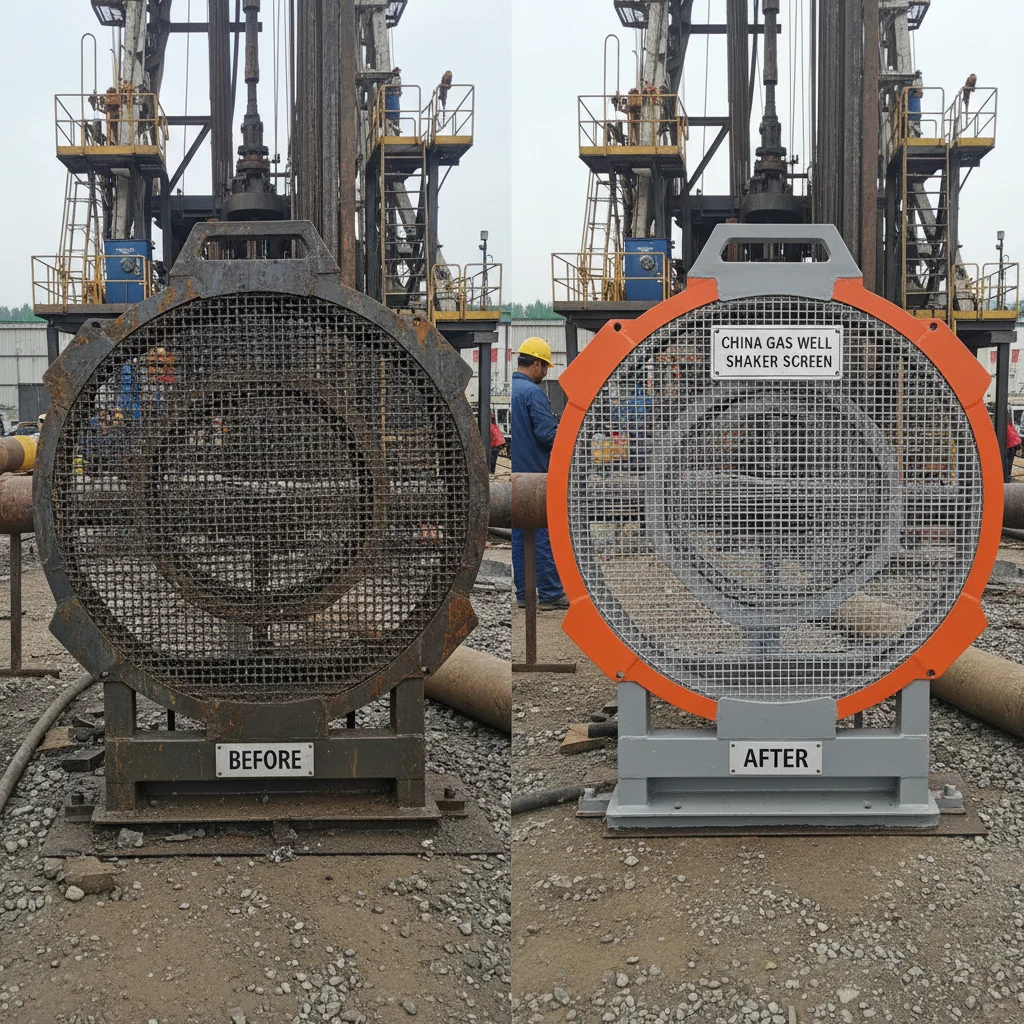
One of the most immediate benefits of the China Composite shale shaker screen is its exceptional resistance to blinding. Blinding occurs when fine particles plug the screen openings, forcing fluid over the end of the shaker. The composite structure, featuring an optimized weave and surface coating, allows particles to be displaced more efficiently, maintaining a constant flow of fluid.
From a financial perspective, the China Composite shale shaker screen offers an unbeatable balance of performance and price. By leveraging advanced manufacturing techniques in China, these screens provide OEM-level quality at a fraction of the cost, allowing drilling contractors to maintain high standards of solids control without inflating their operational budgets.
Additionally, the ability to customize the API mesh size means that these screens can be tailored to the specific geology of a well. Whether dealing with soft clays or hard abrasive sands, the China Composite shale shaker screen provides the versatility needed to switch between different cut points rapidly, ensuring optimal drilling fluid properties at all times.
Performance Metrics and Efficiency Analysis
When evaluating the efficiency of a solids control system, the key metric is the "cut point"—the size of the smallest particle consistently removed from the fluid. The China Composite shale shaker screen excels in this area by maintaining tight tolerances across the entire surface of the screen. This prevents "leakage" of oversized particles into the mud tanks, which would otherwise cause premature wear on centrifugal pumps.
To quantify the advantage, we look at the lifespan of the screen under high-load conditions. Composite materials show a significantly lower rate of fatigue compared to stainless steel wire, which can snap under the high-frequency vibration of modern shakers. This leads to fewer unplanned replacements and a more stable mud weight.
Operational Efficiency of Different Screen Technologies
Real-World Applications in Diverse Geological Zones
In the challenging terrains of Arctic drilling or high-temperature deep-well projects, the material integrity of the China Composite shale shaker screen is put to the ultimate test. In these environments, temperature fluctuations can cause metal screens to expand and contract, leading to gaps in the seal. Composite materials, however, maintain a more stable thermal coefficient, ensuring a tight fit within the shaker box.
Consider the application in heavy clay formations where "mud rings" often form. The smooth, non-stick surface of a high-quality China Composite shale shaker screen prevents the buildup of sticky solids, allowing for a much higher throughput of fluid. This is particularly critical in remote industrial zones where the cost of bringing in additional dilution water is prohibitively high.
Sustainable Value and Long-Term Operational ROI
Sustainability in the oilfield is often overlooked, but the transition to the China Composite shale shaker screen contributes significantly to waste reduction. By achieving a cleaner separation of solids, operators can recover more of their expensive synthetic-based muds (SBM) and oil-based muds (OBM). This not only reduces the volume of waste hauled to disposal sites but also lowers the chemical footprint of the drilling project.
From a logical and emotional angle, the reliability of these screens provides peace of mind to the rig manager. Knowing that the China Composite shale shaker screen can withstand a sudden surge of solids during a "kick" or a drilling break prevents the panic of an overflow. This trust in the equipment allows the crew to focus on the primary goal: reaching the target depth safely.
Over a multi-well campaign, the ROI becomes clear. The combination of fewer replacements, lower mud loss, and reduced NPT results in a cumulative saving that far outweighs the initial purchase price. Investing in a high-performance China Composite shale shaker screen is effectively an insurance policy against solids control failure.
Future Innovations in Composite Screen Technology
The future of the China Composite shale shaker screen lies in the integration of "smart" materials. We are seeing the development of nano-coatings that repel water and oil even more aggressively, further reducing blinding and increasing flow rates. Additionally, the move toward carbon-fiber reinforcement is promising to increase the lifespan of screens in ultra-high G-force environments.
Digital transformation is also reaching the shaker house. There are ongoing efforts to embed sensors within the composite layers of the China Composite shale shaker screen to monitor wear and tear in real-time. This would allow for predictive maintenance, where a screen is replaced based on actual wear data rather than a guessed schedule.
As the industry moves toward "Green Drilling," the focus will shift to biodegradable composite resins that maintain the same strength as current polymers but leave no lasting environmental trace. The China Composite shale shaker screen will continue to evolve, ensuring that the drilling industry can meet the energy demands of tomorrow while minimizing its ecological impact.
Comparative Analysis of China Composite shale shaker screen Performance Across Brands
| Compatible Brand |
Wear Resistance (1-10) |
Fluid Throughput (L/min) |
Installation Ease |
| Replacement for Swaco |
9.5 |
1200 |
Excellent |
| Replacement for Brandt |
9.2 |
1150 |
Very Good |
| Replacement for FSI |
9.0 |
1100 |
Excellent |
| Replacement for Kemtron |
8.8 |
1050 |
Good |
| Replacement for Scomi |
8.7 |
1000 |
Very Good |
| Replacement for Driock |
8.9 |
1080 |
Good |
FAQS
The primary advantage lies in the material composition. While wire mesh is prone to tearing and blinding, the composite screen uses a combination of high-tenacity fabrics and polyurethane coatings. This creates a more flexible yet durable surface that resists abrasion from sharp cuttings and prevents particles from plugging the apertures, leading to significantly higher fluid throughput and a longer operational lifespan.
Yes, they are engineered for universal compatibility with leading industry brands. We provide precision-manufactured replacement screens specifically for Swaco, Brandt, FSI, Kemtron, Scomi, and Driock. Each screen is built to the exact dimensions and tensioning requirements of the original equipment, ensuring a seamless fit and optimal performance without the need for modifications to the shaker box.
Choosing the right mesh size depends on the expected size of the drilled cuttings and the viscosity of your mud. Generally, you want the coarsest mesh that can still effectively remove the solids you need to eliminate. We recommend consulting your mud report; if you are drilling through fine sands, a tighter mesh is required, whereas coarse gravels may need a wider aperture to prevent screen blinding.
Absolutely. Although the initial cost might be slightly higher than basic wire mesh, the ROI is realized through reduced non-productive time (NPT) and lower mud loss. Because composite screens last longer and process fluid faster, you spend less on replacements and labor. Additionally, the improved solids control protects your expensive mud pumps and centrifuges from premature wear.
Composite screens are particularly effective with high-viscosity fluids due to their smooth surface finish and specialized weave. This reduces the surface tension and "stickiness" that often cause heavy muds to slide over the screen rather than passing through it. This ensures that even in thick mud systems, the shale shaker can maintain an efficient cut point.
Lifespan varies based on the abrasiveness of the formation and the G-force of the shaker. However, in typical operations, composite screens last 2 to 4 times longer than traditional wire mesh. In highly abrasive sandstone, they provide the necessary structural reinforcement to prevent "blow-outs," extending the interval between screen changes and improving overall rig efficiency.
Conclusion
The transition to the China Composite shale shaker screen represents a pivotal shift in how the drilling industry approaches solids control. By marrying advanced composite materials with precise engineering, these screens solve the age-old problems of blinding, premature wear, and inefficient fluid recovery. From their compatibility with global brands like Swaco and Brandt to their ability to withstand the most extreme geological conditions, they provide a tangible edge in operational efficiency and cost management.
Looking forward, as the industry moves toward more sustainable and digitally integrated operations, the role of high-performance filtration will only grow. We encourage drilling contractors and engineers to move away from outdated mesh technologies and embrace the reliability of composite solutions. By doing so, you not only protect your equipment but also ensure the long-term viability and profitability of your drilling campaigns. Visit our website for more information: www.ftshaleshakerscreen.com