• Home
  • Top Blog
  • Optimizing Drilling Performance with High Quality Black Shale Shaker Screens
0%

Table of Contents

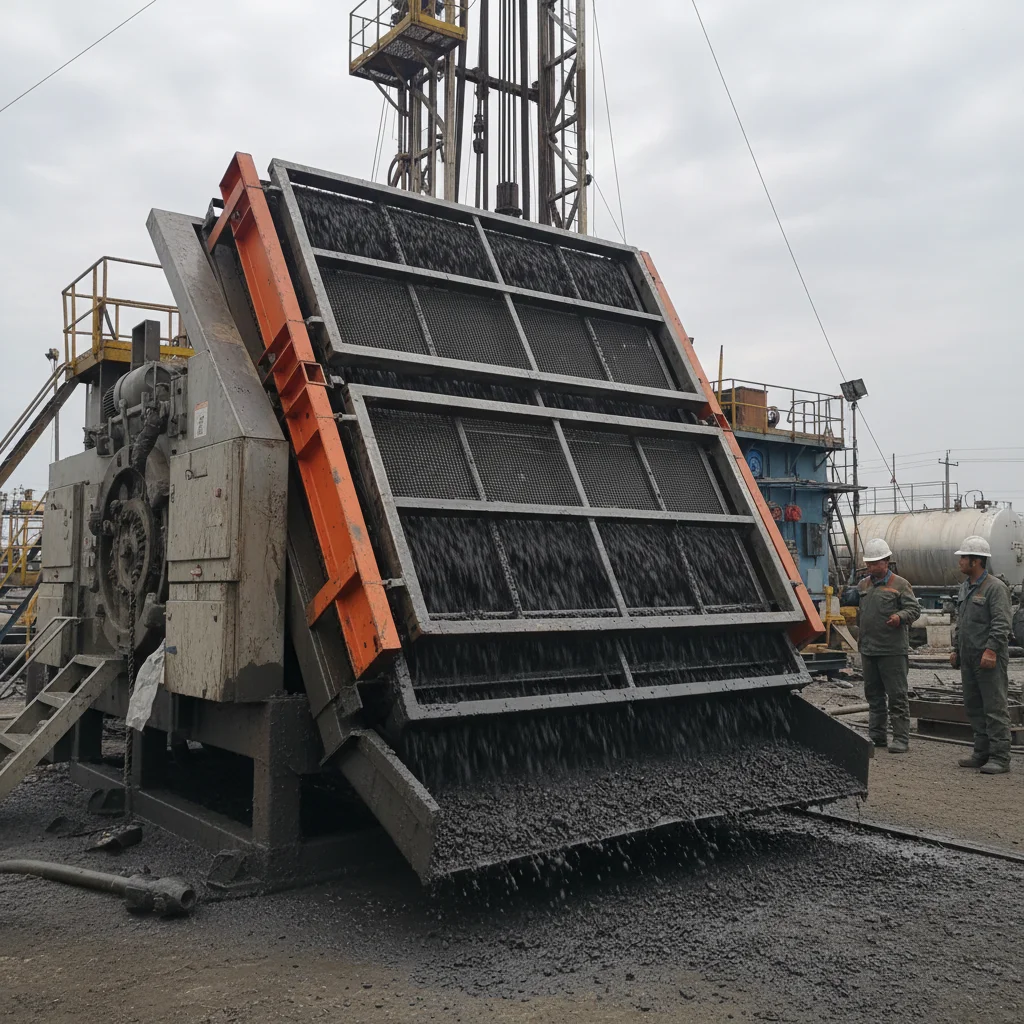
Black shale shaker screens are critical components in the oil and gas drilling process, playing a vital role in solids control and ensuring efficient drilling operations. These screens effectively separate drilled solids from drilling fluids, preventing damage to downhole tools and maximizing the performance of the overall drilling system. The demand for high-quality, durable black shale shaker screens is continually increasing as the industry pushes for more efficient and environmentally responsible drilling practices.

Globally, the exploration and production of oil and gas rely heavily on efficient solids control. With reserves becoming increasingly challenging to access – including shale formations – the need for robust separation technology like black shale shaker screens grows exponentially. The economic viability of these projects hinges on minimizing downtime and maximizing the lifespan of drilling equipment, making effective shaker screen performance paramount.

Furthermore, environmental regulations are becoming stricter, demanding responsible waste management. Utilizing efficient black shale shaker screens minimizes waste volume and facilitates responsible disposal, contributing to sustainable drilling practices. Proper solids control also reduces the environmental impact of drilling fluids.
black shale shaker screens

Understanding Black Shale Shaker Screens
black shale shaker screens

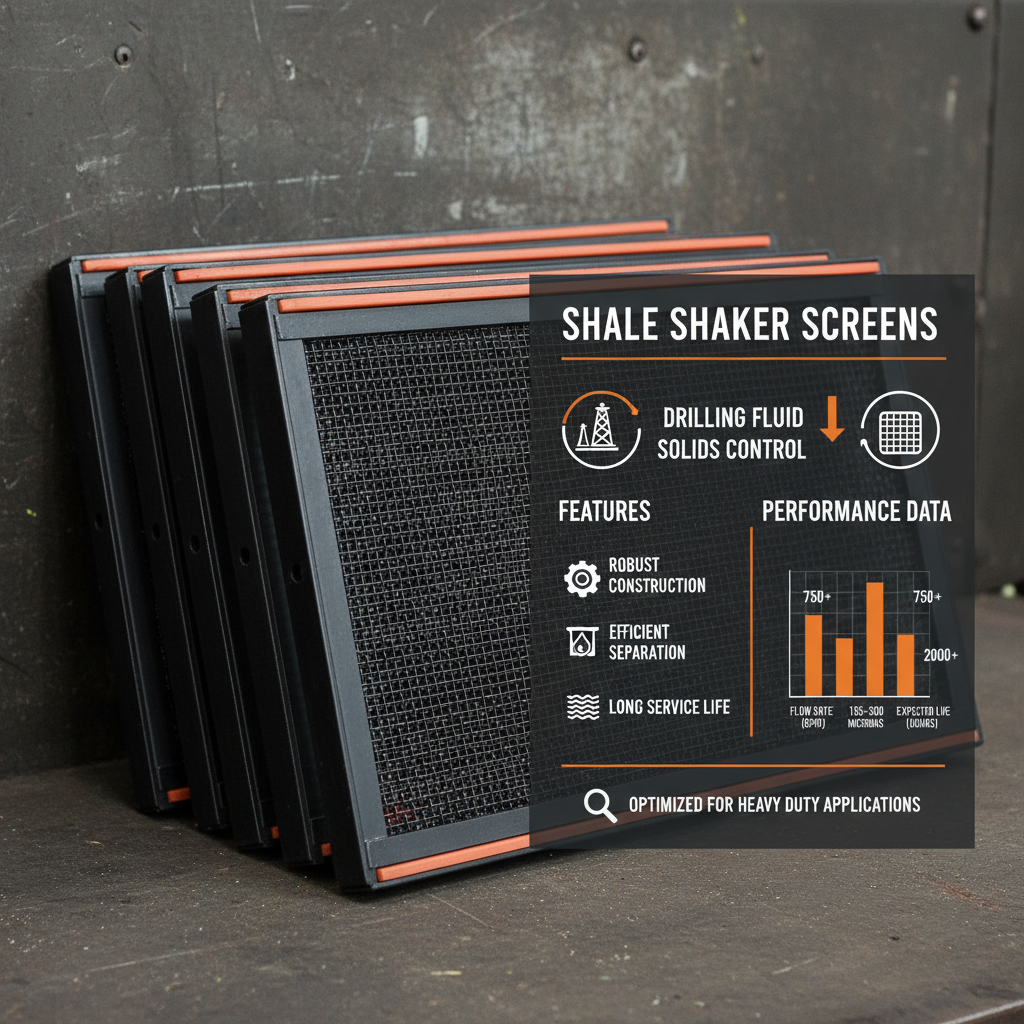
Black shale shaker screens are specifically engineered to handle the unique challenges posed by black shale formations. These formations are known for their fine particle sizes and tendency to swell when hydrated, making separation difficult. The screens are constructed with multiple layers of metallic mesh and synthetic materials designed to maximize separation efficiency while withstanding the abrasive nature of the shale cuttings. Investing in the right black shale shaker screens directly translates to improved drilling performance and reduced operational costs.

The composition of these screens is meticulously chosen to provide optimal flow rates, prevent plugging, and extend screen life. Different mesh sizes and screen designs cater to various shale types and drilling fluid characteristics, ensuring a tailored solution for each operation.

The Global Relevance of Black Shale Shaker Screens

The rise in shale gas and oil production globally has dramatically increased the demand for black shale shaker screens. Regions like the United States (Permian Basin, Marcellus Shale), Argentina (Vaca Muerta), and China are at the forefront of shale resource development, driving innovation and requiring substantial quantities of these essential components. The International Energy Agency (IEA) projects continued growth in unconventional oil and gas production, further solidifying the importance of efficient shale shaker screen technology.

However, the exploitation of shale resources poses significant challenges related to environmental impact and operational efficiency. Inadequate solids control can lead to increased drilling fluid consumption, higher waste disposal costs, and potential environmental contamination. Therefore, employing high-performance black shale shaker screens is not just a matter of cost-effectiveness, but also of responsible resource management.

Furthermore, the global supply chain for these screens is complex, with manufacturing concentrated in certain regions. Disruptions to this supply chain, such as those experienced during recent geopolitical events, highlight the need for reliable sourcing and strategic inventory management.

Defining Black Shale Shaker Screens

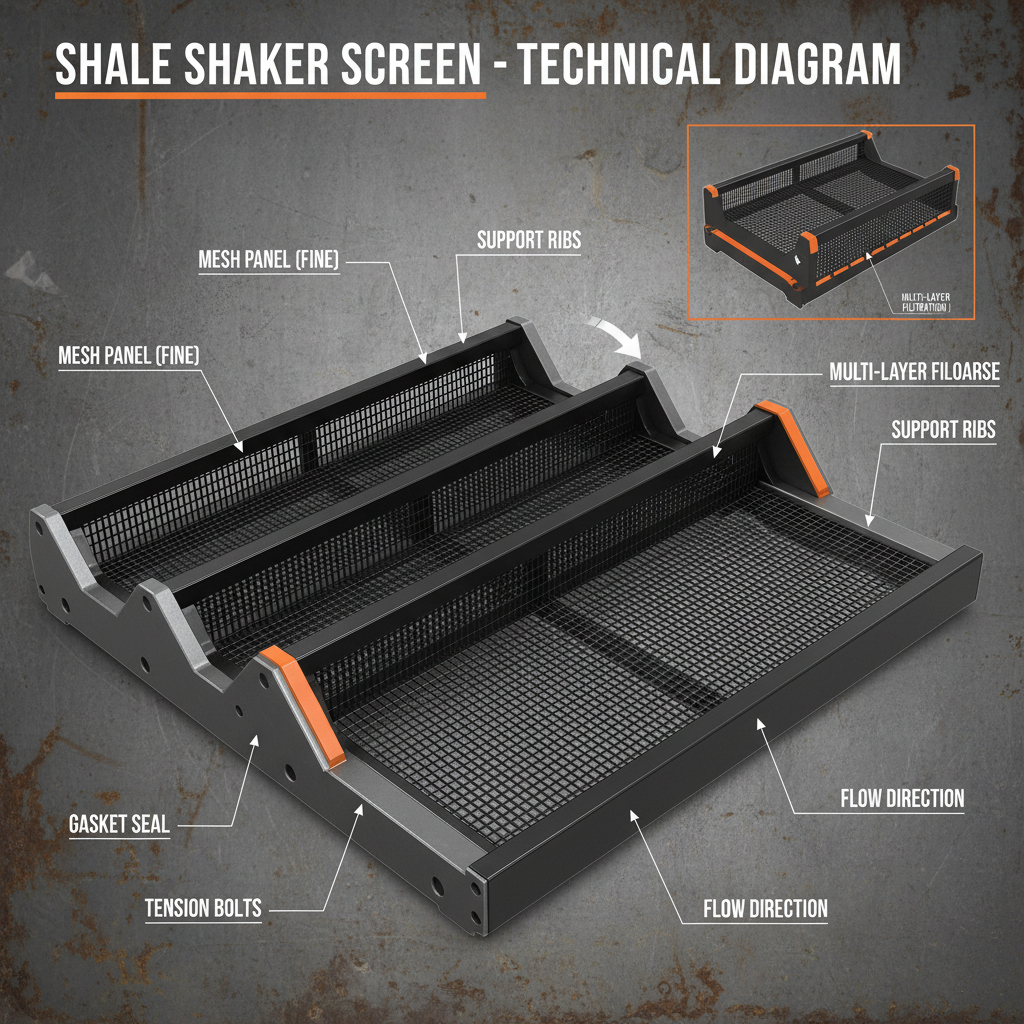
Black shale shaker screens are specifically designed filtration systems used in the oil and gas drilling industry to separate fine solid particles – typically shale cuttings – from drilling fluids. They consist of a series of interwoven metal mesh layers and synthetic materials stretched over a supporting frame. The screen's aperture size dictates the minimum particle size that can be effectively removed, and are critical for maintaining drilling fluid quality.

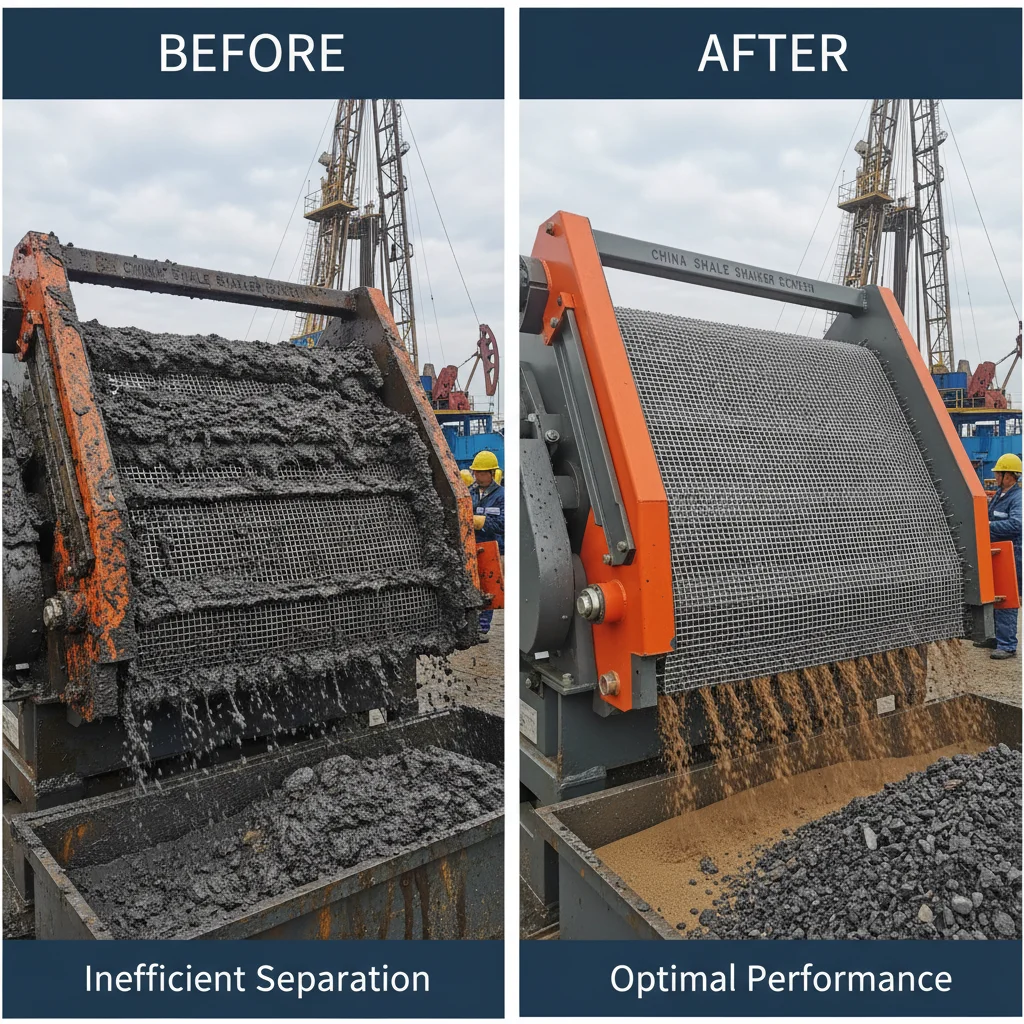
The “black shale” designation refers to the screens’ specialized design for processing shale formations which contain very fine particles and are prone to hydration and swelling. Traditional shaker screens may struggle with these characteristics, leading to screen plugging and reduced separation efficiency. Black shale shaker screens address this by utilizing tighter mesh sizes and materials that resist swelling.

Essentially, these screens are a vital part of the solids control process, protecting downhole equipment from abrasion, minimizing fluid loss, and contributing to a cleaner, more efficient drilling operation. Their function connects directly to modern energy demands and the need to extract resources responsibly.

Key Factors Influencing Black Shale Shaker Screen Performance

Several critical factors impact the effectiveness of black shale shaker screens. These include material composition, mesh size, screen tension, and the overall screen design. The material must be robust enough to withstand the abrasive forces of shale cuttings while remaining flexible enough to prevent premature failure.

Mesh size selection is paramount. Too large a mesh allows excessive solids to pass through, compromising fluid quality. Too small a mesh can restrict flow rates, reducing separation capacity. Optimal mesh size is dependent on the shale characteristics and drilling fluid properties.

Black Shale Shaker Screen Performance Metrics

Applications Across Drilling Environments

Black shale shaker screens are employed in a diverse range of drilling environments, from onshore conventional oil and gas wells to offshore deepwater exploration projects. They are particularly critical in horizontal drilling operations, where maintaining fluid quality is essential for efficient cuttings removal and preventing hole instability.

In remote industrial zones, where access to replacement parts can be limited, the durability and longevity of black shale shaker screens are paramount. Operators prioritize screens that minimize downtime and reduce the need for frequent replacements.

Advantages and Long-Term Value

Investing in high-quality black shale shaker screens delivers significant cost savings through reduced drilling fluid consumption, minimized downtime, and extended equipment lifespan. Beyond the immediate economic benefits, these screens contribute to more sustainable drilling practices by reducing waste and minimizing environmental impact.

The reliability and consistent performance of these screens provide peace of mind to operators, enabling them to focus on optimizing drilling operations and maximizing resource recovery. Furthermore, utilizing effective solids control systems enhances safety by reducing the risk of equipment failures and operational hazards.

Future Trends and Innovation in Shaker Screen Technology

The future of black shale shaker screens is being shaped by advancements in materials science, automation, and data analytics. Researchers are exploring new materials with enhanced durability, improved separation efficiency, and reduced environmental footprint.

Automated screen monitoring and replacement systems are emerging, enabling real-time optimization of solids control processes. Digital twins, powered by data analytics, will allow operators to predict screen wear and optimize replacement schedules.

Furthermore, there is growing interest in developing biodegradable or recyclable shaker screen materials to address sustainability concerns.

Analysis of Black Shale Shaker Screen Performance Factors

Screen Material Mesh Size (Microns) Flow Rate (Gallons/Minute) Separation Efficiency (%)
Stainless Steel 75 400 90
Polyurethane 60 350 85
Composite (Steel/Polymer) 80 420 92
High-Strength Alloy 50 380 88
Nickel Alloy 90 450 95
Ceramic-Enhanced Polymer 70 410 91

FAQS

What is the typical lifespan of a black shale shaker screen?

The lifespan of a black shale shaker screen varies significantly based on factors like shale abrasiveness, drilling fluid composition, and operating conditions. Generally, screens can last from 50 to 200 hours, but regular inspection and replacement based on performance indicators are crucial. Proactive replacement prevents damage to downstream equipment and maintains drilling efficiency.

How do I choose the right mesh size for my application?

Selecting the appropriate mesh size depends on the particle size distribution of the shale cuttings and the desired clarity of the drilling fluid. Finer mesh sizes provide better separation but can reduce flow rate. Consulting with a black shale shaker screen specialist and analyzing representative shale samples is recommended for optimal selection.

What are the signs that a shaker screen needs to be replaced?

Common indicators include increased solids content in the drilling fluid, reduced flow rate through the screen, visible damage to the mesh, and increased vibration during operation. Regularly monitoring these parameters allows for timely replacement and prevents operational disruptions.

Are there different types of black shale shaker screen materials, and what are their benefits?

Yes, common materials include stainless steel, polyurethane, and composite blends. Stainless steel offers excellent durability, polyurethane provides good abrasion resistance, and composites combine the benefits of both. The optimal material depends on the specific drilling environment and application requirements. Black shale shaker screens are designed with these parameters in mind.

How do environmental regulations impact the selection and use of shaker screens?

Increasingly stringent environmental regulations require efficient solids control to minimize waste disposal volumes and prevent environmental contamination. Choosing screens that maximize separation efficiency and reduce drilling fluid consumption helps operators comply with these regulations and promote sustainable drilling practices.

Can shaker screens be repaired, or is replacement always necessary?

Minor damage can sometimes be repaired, but significant wear or tearing typically necessitates replacement. Repairing screens may compromise their structural integrity and separation efficiency. Regular inspection and proactive replacement are generally more cost-effective than attempting to repair heavily damaged screens.

Conclusion

In conclusion, black shale shaker screens are indispensable components in modern oil and gas drilling operations, particularly in shale resource development. Their ability to efficiently separate solids from drilling fluids directly impacts drilling efficiency, cost-effectiveness, and environmental sustainability. Investing in high-quality screens and implementing effective monitoring programs are crucial for maximizing operational performance and responsible resource management.

Looking ahead, continued innovation in materials science, automation, and data analytics will further enhance the performance and longevity of shaker screen technology. Operators who embrace these advancements will be well-positioned to thrive in the evolving energy landscape. Visit our website at www.ftshaleshakerscreen.com to learn more about our comprehensive range of black shale shaker screens and solutions.
Ethan Turner

Ethan Turner

Ethan is the Marketing Director at Cangzhou Jiujiang, focusing on expanding the brand's presence in North America. With over a decade of experience in outdoor apparel marketing, Ethan leverages his knowledge to promote the company’s PU rainwear, emphasizing its BSCI and GRS certifications.

Previous Revolutionizing Drilling Operations with High Performance Composite Material Screens
Next High Performance Solids Mud Screen for Efficient Drilling Control
DISCLAIMER
Hebei Fangte is NOT affiliated with,authorized by,or endorsed by Derrick®,Brandt®,SWACO®,Kemtron®,Scomi®,FSI®,or Driock®.All trademarks remain the property of their respective owners.OEM brand names and part numbers are used for reference purposes only to indicate compatibility.All products offered are replacement parts manufactured by Fangte.

If you are interested in our products, you can choose to leave your information here, and we will be in touch with you shortly.


If you are interested in our products, you can choose to leave your information here, and we will be in touch with you shortly.