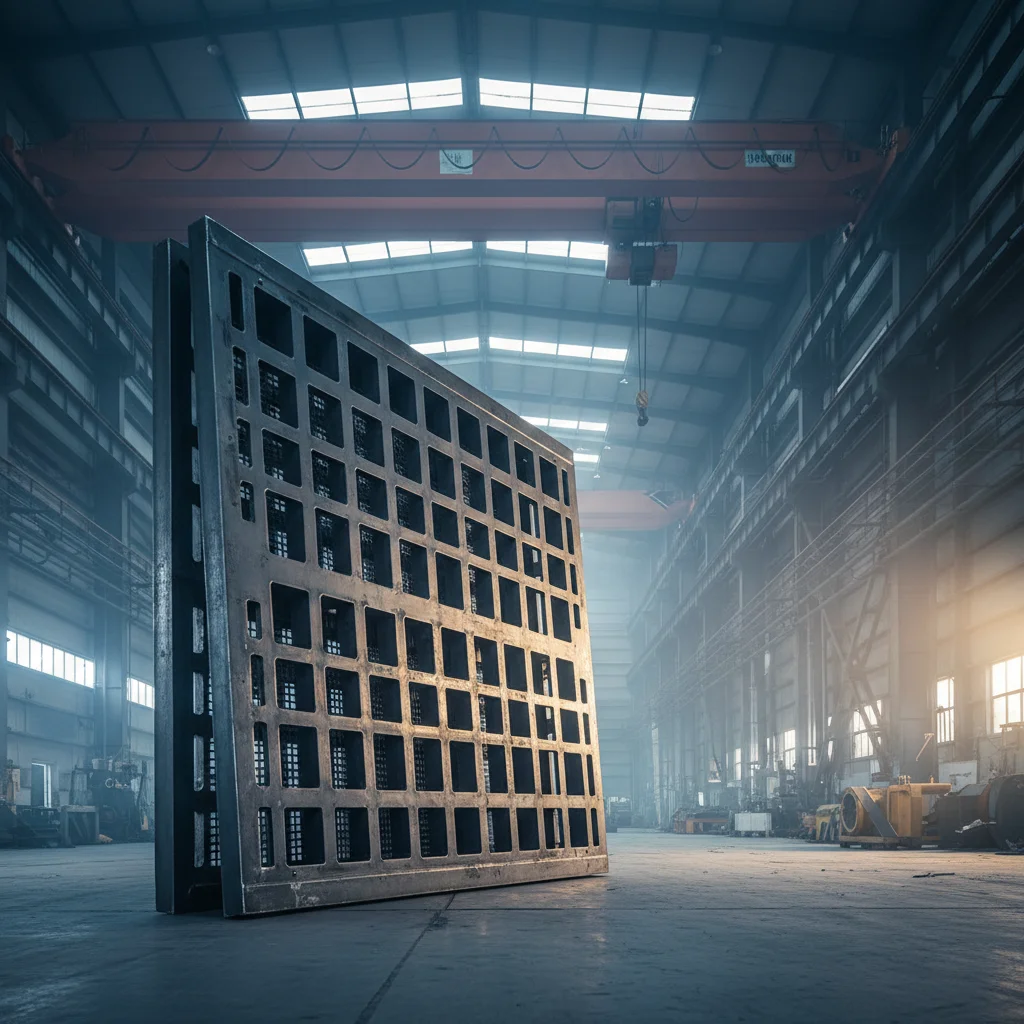
In the demanding world of oil and gas drilling, the efficiency of your solids control system can be the difference between a productive well and a costly operational delay. The solids mud screen serves as the critical primary barrier, designed to remove drilled cuttings from the drilling fluid before they can cause premature wear on downstream equipment. By precisely filtering out abrasive particles, these screens ensure that the mud properties remain stable and the circulation system stays optimized.
Global drilling operations face constant challenges with varying geological formations, requiring a highly versatile approach to fluid management. Whether you are operating in the deep waters of the Gulf of Mexico or the remote terrains of the Middle East, the quality of your solids mud screen directly impacts your Rate of Penetration (ROP) and overall drilling safety. High-performance screens reduce the need for expensive mud dilution and minimize the volume of waste generated at the rig site.
Understanding the nuances of screen mesh, material durability, and compatibility with brands like Brandt, Swaco, and FSI is essential for any drilling engineer. A well-chosen solids mud screen doesn't just filter mud; it protects the entire investment of the drilling rig by preventing pump erosion and reducing torque and drag. This guide explores the technical intricacies and strategic importance of these components in modern solids control.

The Fundamental Role of Solids Mud Screen in Drilling
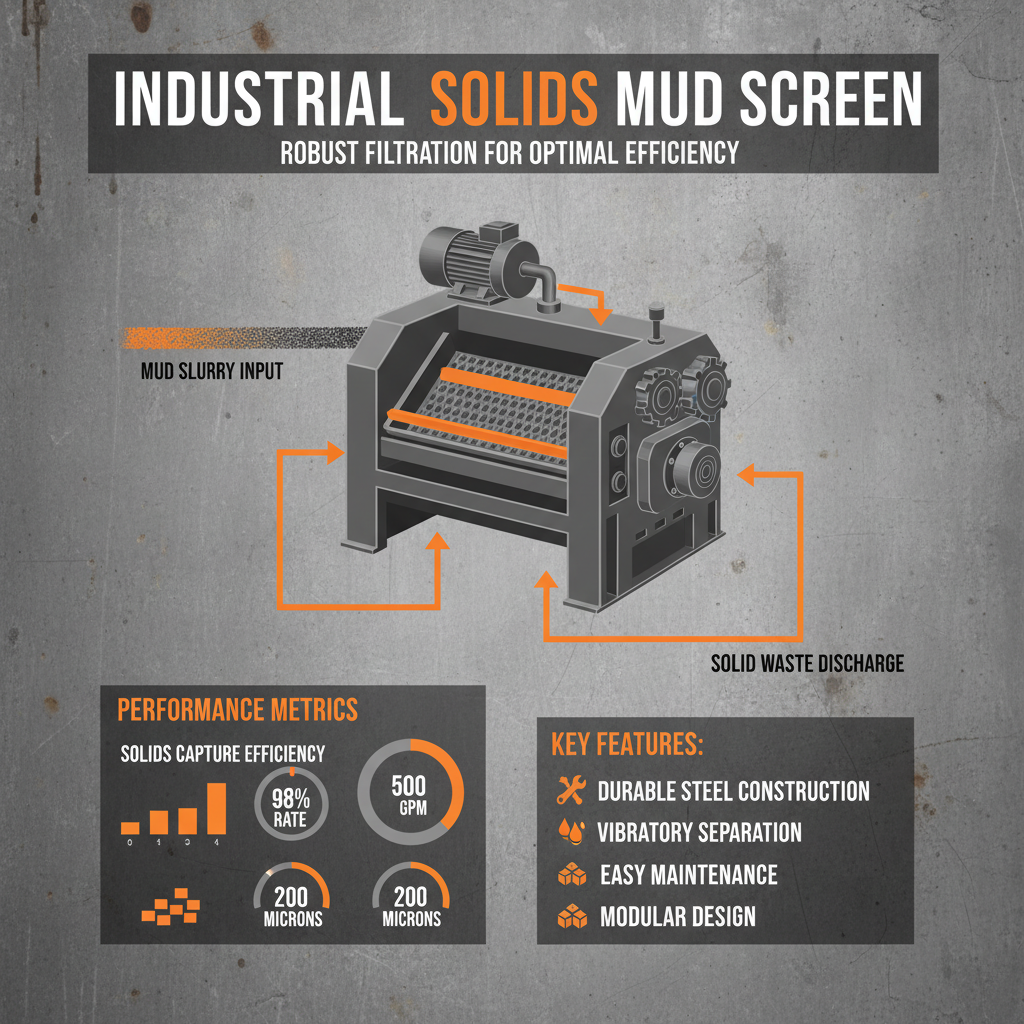
The primary objective of a solids mud screen is to separate the larger drilled solids from the liquid phase of the drilling mud. As the mud returns from the wellbore, it carries a heavy load of rock cuttings. If these are not removed immediately, they circulate back into the hole, increasing the mud density uncontrollably and causing severe abrasion on the drill pipe and pump liners.
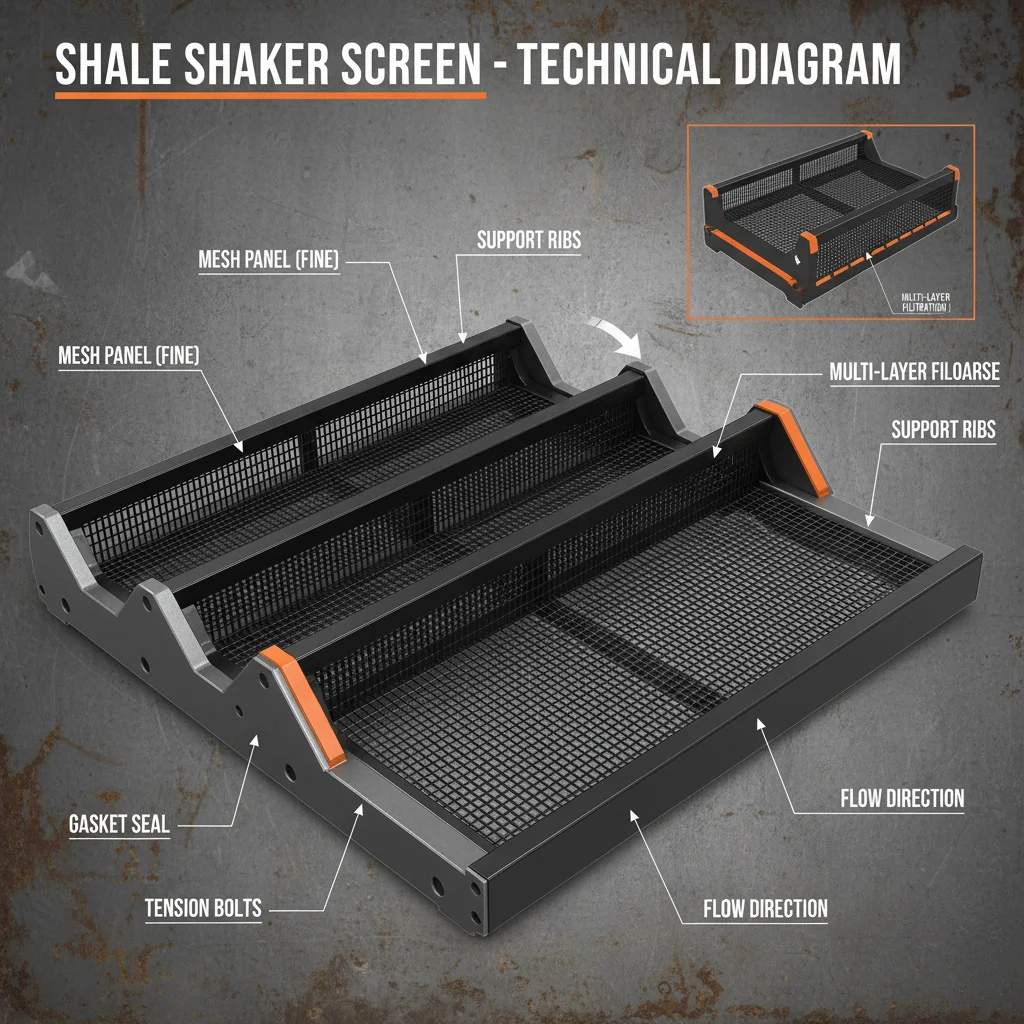
By employing a precise mesh size and a robust frame, the screen allows the processed mud to pass through while conveying the solids away via the shaker deck. This first line of defense is critical for maintaining the rheological properties of the mud, ensuring that the fluid can effectively carry cuttings to the surface without becoming too thick or too abrasive.
Global Industry Standards and Material Engineering
In the global oilfield, standardization is key to operational safety. Most solids mud screen designs follow strict ISO and API standards to ensure that replacement parts are compatible across different shaker brands. Whether it is a screen for a Swaco or a Brandt system, the engineering focuses on the balance between aperture size and structural integrity to handle high G-forces.
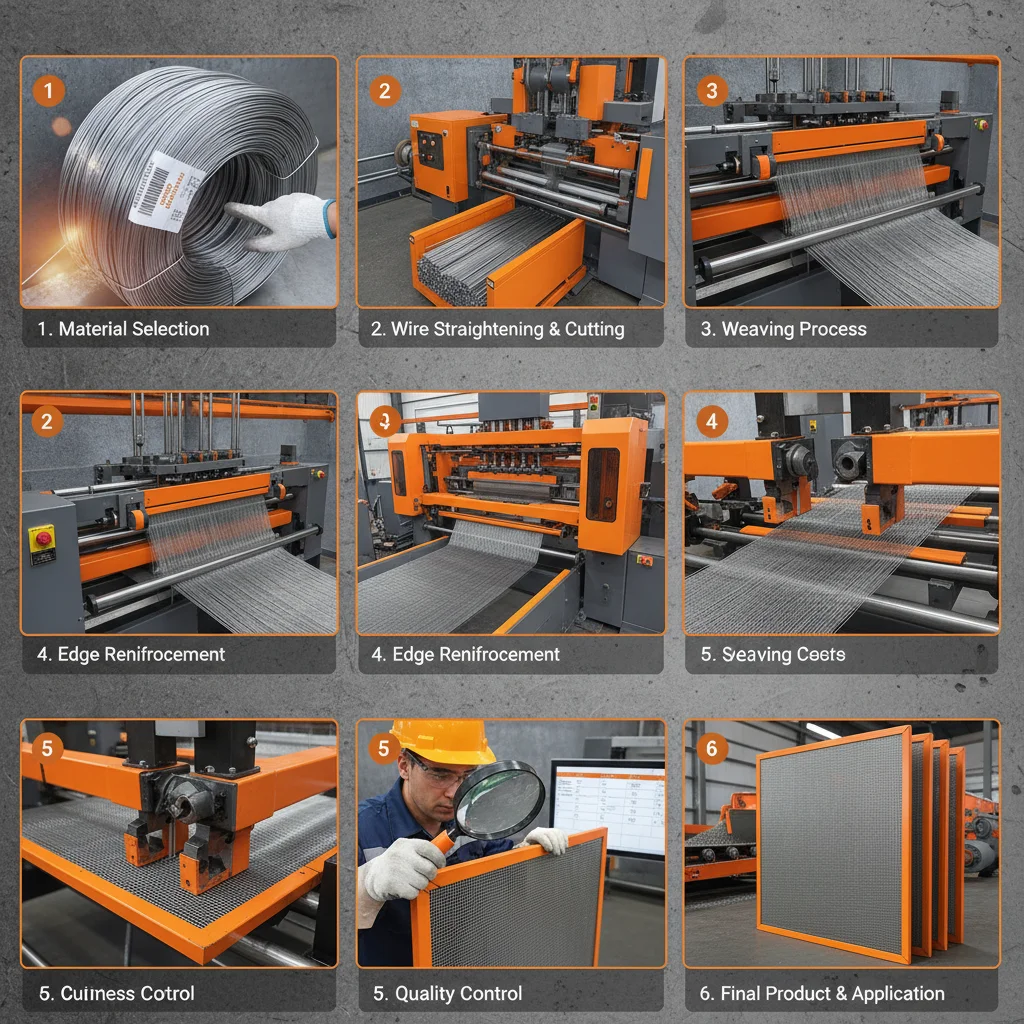
Material selection is where the real innovation happens. Modern screens utilize high-tensile stainless steel wires woven with advanced polymers or reinforced composites. These materials are chosen to resist the chemical aggressiveness of the mud—which can be highly alkaline or saline—and the physical impact of heavy cuttings hitting the screen at high velocities.
The shift toward composite-based solids mud screen technology has significantly reduced "blinding" (clogging of the mesh). By using materials that offer lower surface friction, the cuttings slide off more easily, which increases the throughput and extends the lifespan of the screen, reducing the frequency of costly shutdowns for screen changes.
Critical Performance Factors for Mud Screening
Durability is the most immediate requirement for any solids mud screen . Because these screens are subjected to constant vibration and abrasive flow, the wear resistance of the wire weave determines how long the screen can maintain its specified cut point. A failure in the mesh can lead to "mud loss," where valuable fluid is wasted along with the solids.
Scalability and versatility are equally important. Operators must be able to switch their solids mud screen mesh size rapidly as they transition through different geological strata. For instance, moving from a soft clay section to a hard sandstone section requires a change in the API number of the screen to optimize the removal of different particle sizes.
Finally, cost efficiency is measured not just by the purchase price, but by the total cost of ownership. A cheaper screen that fails every 24 hours is far more expensive than a premium solids mud screen that lasts for a week. Reducing the "down-time" associated with screen replacement is a primary goal for rig managers worldwide.
Comparative Efficiency of Screen Technologies
When comparing different types of solids mud screen options, the industry generally looks at the trade-off between fluid throughput and the "cut point" (the smallest particle size removed). Traditional wire-mesh screens offer excellent precision but are prone to plugging, while newer pyramid-shaped or 3D screens increase the open area, allowing more fluid to pass through.
The choice of screen often depends on the specific shaker brand—such as Scomi or Kemtron—as the G-force profile of the machine affects how the mud behaves on the solids mud screen surface. Higher G-forces can help clear the screen faster but may increase the rate of mechanical fatigue on the screen frame.
Efficiency Rating of Different Solids Mud Screen Types
Real-World Applications Across Drilling Environments
In high-pressure, high-temperature (HPHT) wells, the chemical composition of the drilling mud is often more aggressive. In these scenarios, a specialized solids mud screen made from premium alloys is required to prevent corrosion from eating through the mesh. In the North Sea, where weather conditions can be extreme, the reliability of these screens is paramount to avoid stopping operations during narrow weather windows.
Conversely, in onshore unconventional shale plays, the focus is often on volume. Operators use a series of solids mud screen units in parallel to handle massive flow rates. The goal here is to maintain a high ROP while ensuring that the mud is cleaned rapidly enough to support the high circulation speeds required for horizontal drilling.
Long-Term Economic Value and Sustainability
The economic impact of a high-quality solids mud screen extends beyond the drilling rig. By removing solids more effectively, the volume of waste mud sent to disposal sites is significantly reduced. This not only lowers transportation and disposal costs but also aligns with environmental regulations aimed at reducing the footprint of drilling operations.
From a mechanical perspective, a clean mud stream means that the mud pumps and centrifugal pumps experience far less abrasive wear. This extends the Mean Time Between Failures (MTBF) for millions of dollars worth of equipment. The investment in a premium solids mud screen is essentially an insurance policy for the entire mud circulation system.
Furthermore, the psychological aspect of trust cannot be overlooked. Rig crews prefer screens that they know will not fail unexpectedly. When a team trusts their solids mud screen , they can push the drilling parameters to the limit, knowing that the solids control system can keep up with the increased cuttings load.
Future Innovations in Solids Control Filtration
The future of solids mud screen technology is leaning toward "smart" filtration. We are seeing the integration of sensors that can monitor the pressure drop across the screen in real-time. This allows operators to know exactly when a screen is blinding and needs to be cleaned or replaced, moving from a schedule-based maintenance model to a condition-based one.
Materials science is also evolving, with the introduction of nano-coatings that make the screen surfaces hydrophobic or oleophobic. These coatings prevent mud from sticking to the wires, theoretically eliminating the problem of blinding entirely and allowing for a much finer cut point without sacrificing flow rate.
As the industry pushes toward "Zero Discharge" goals, the solids mud screen will become even more integrated with downstream centrifuges and dryers. The ultimate goal is a closed-loop system where every drop of fluid is recovered and every grain of solid is removed, maximizing efficiency and minimizing environmental impact.
Analysis of Solids Mud Screen Performance Metrics by Material
| Material Type |
Wear Resistance (1-10) |
Fluid Throughput |
Typical Life Span |
| Standard Stainless Steel |
6 |
Medium |
Short |
| Reinforced Composite |
8 |
High |
Medium |
| Premium Alloy Mesh |
9 |
Medium |
Long |
| 3D Pyramid Mesh |
7 |
Very High |
Medium |
| Polyurethane Coated |
8 |
Medium |
Long |
| Nano-Coated Stainless |
10 |
High |
Very Long |
FAQS
Choosing the right mesh size depends on the particle size of the cuttings in your current formation. You should start with a coarser screen to remove the bulk of the solids and gradually move to finer screens as the well deepens and the cuttings become smaller. Consult your mud engineer to determine the optimal API number that balances fluid throughput with effective solids removal.
Blinding occurs when particles of a size nearly equal to the screen aperture become lodged in the mesh, or when sticky clays form a seal over the surface. This is often caused by using a mesh that is too fine for the current cuttings load or by inadequate G-force on the shaker. Using composite screens or high-frequency shakers can help mitigate this issue.
While the general concept is the same, the physical dimensions and mounting systems vary between brands like Brandt, Swaco, and FSI. You must ensure the replacement solids mud screen is specifically designed for your shaker model. However, many manufacturers now offer "universal" fit options or precise replacements that match the original equipment manufacturer (OEM) specifications.
There is no fixed schedule, as replacement depends on the abrasiveness of the formation and the fluid chemistry. Generally, screens should be replaced when you notice a significant drop in fluid throughput, an increase in mud loss over the end of the shaker, or visible tears in the mesh. Regular inspections during shift changes are recommended.
Yes, absolutely. By removing solids more efficiently, you reduce the amount of "dilution" required to keep the mud weight within specifications. This means you buy fewer chemicals and base fluids. Additionally, by protecting the mud pumps from abrasive wear, you significantly reduce maintenance and repair costs for the entire rig.
For environments with high salinity or acidic muds, premium 316 stainless steel or specialized alloys are preferred. Additionally, polyurethane-coated or composite solids mud screens offer a protective layer that prevents the corrosive fluid from reaching the structural wires, thereby extending the screen's life in harsh chemical conditions.
Conclusion
The solids mud screen is far more than a simple piece of mesh; it is the cornerstone of an efficient solids control system. From maintaining mud rheology and protecting expensive downstream equipment to reducing environmental waste and operational costs, its impact is felt across every aspect of the drilling process. By selecting the right material, mesh size, and brand compatibility, operators can ensure maximum uptime and safety.
Looking forward, the integration of smart sensors and advanced materials will continue to push the boundaries of what these screens can achieve. Investing in high-performance screening technology today is a strategic move toward more sustainable, cost-effective, and safer drilling operations. To optimize your rig's performance, we invite you to explore our range of professional solutions. Visit our website: www.ftshaleshakerscreen.com