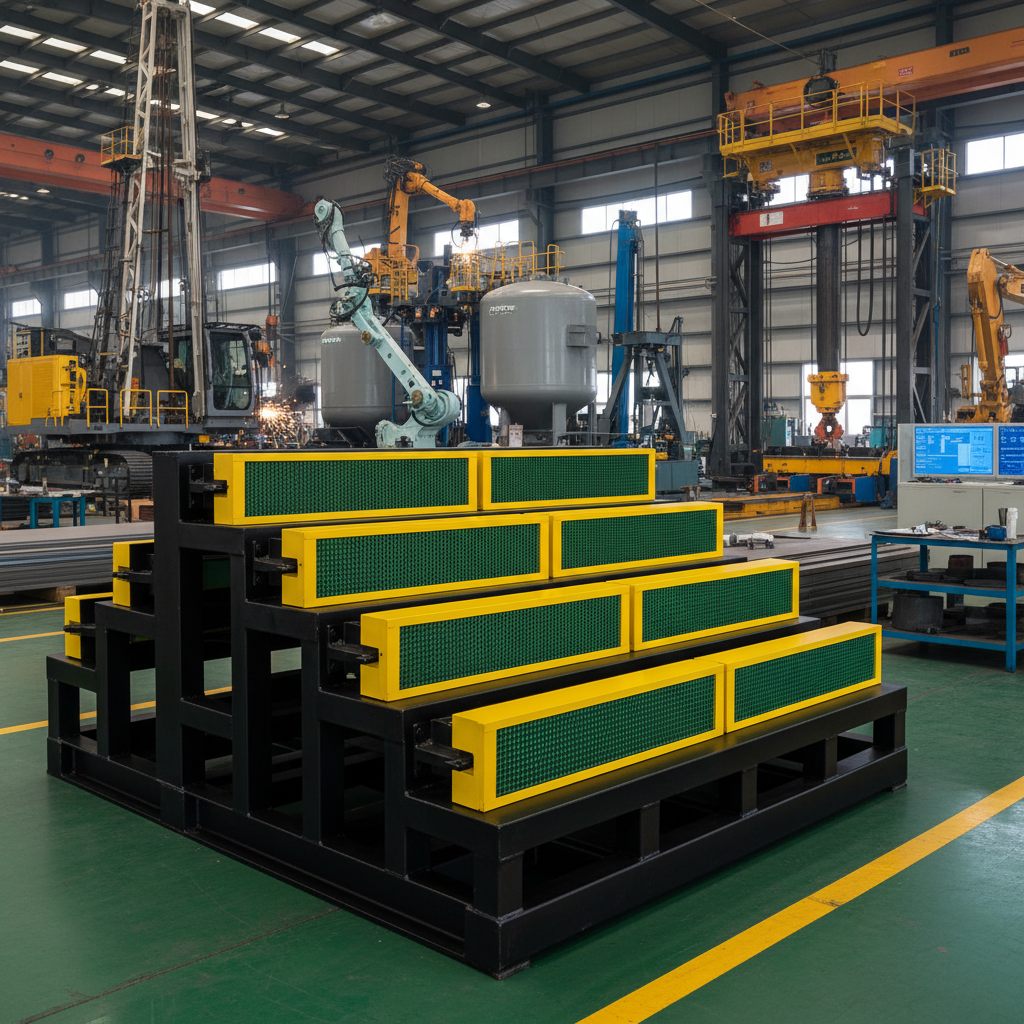
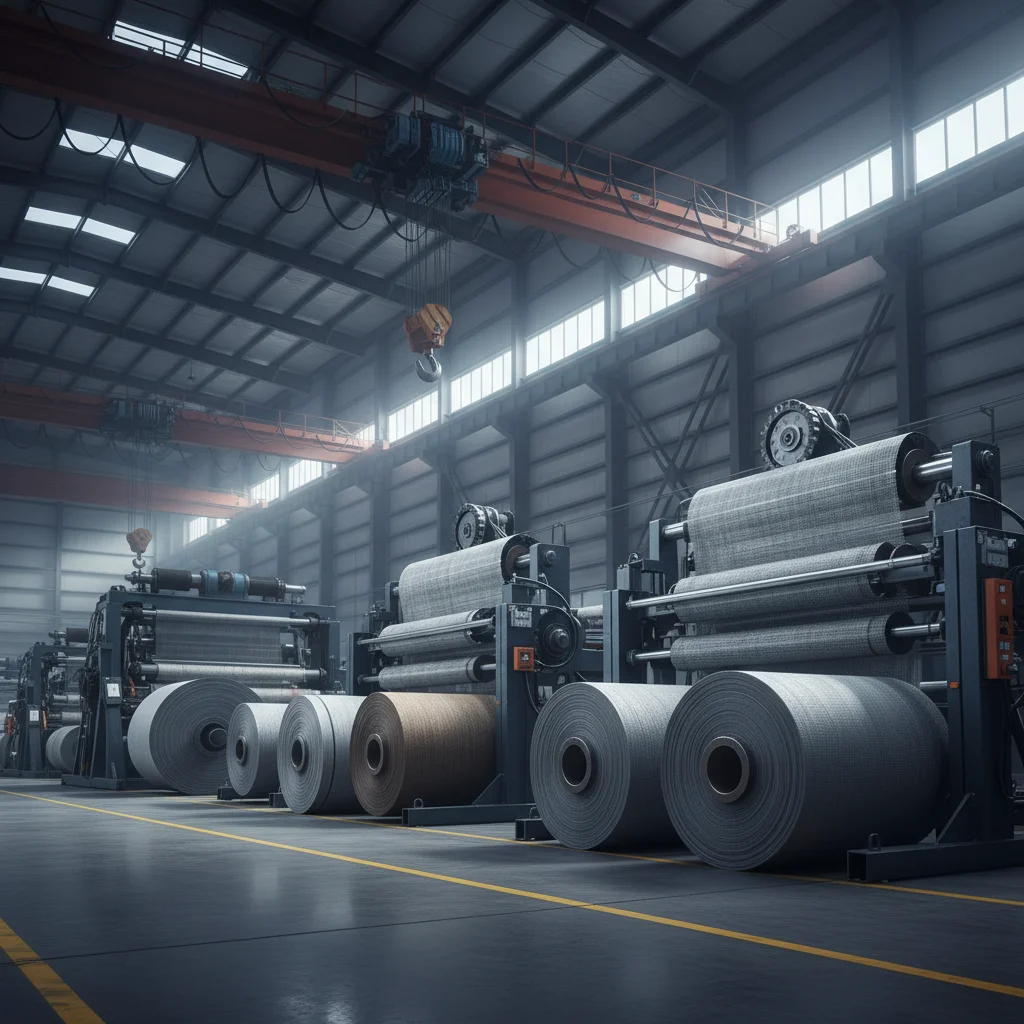
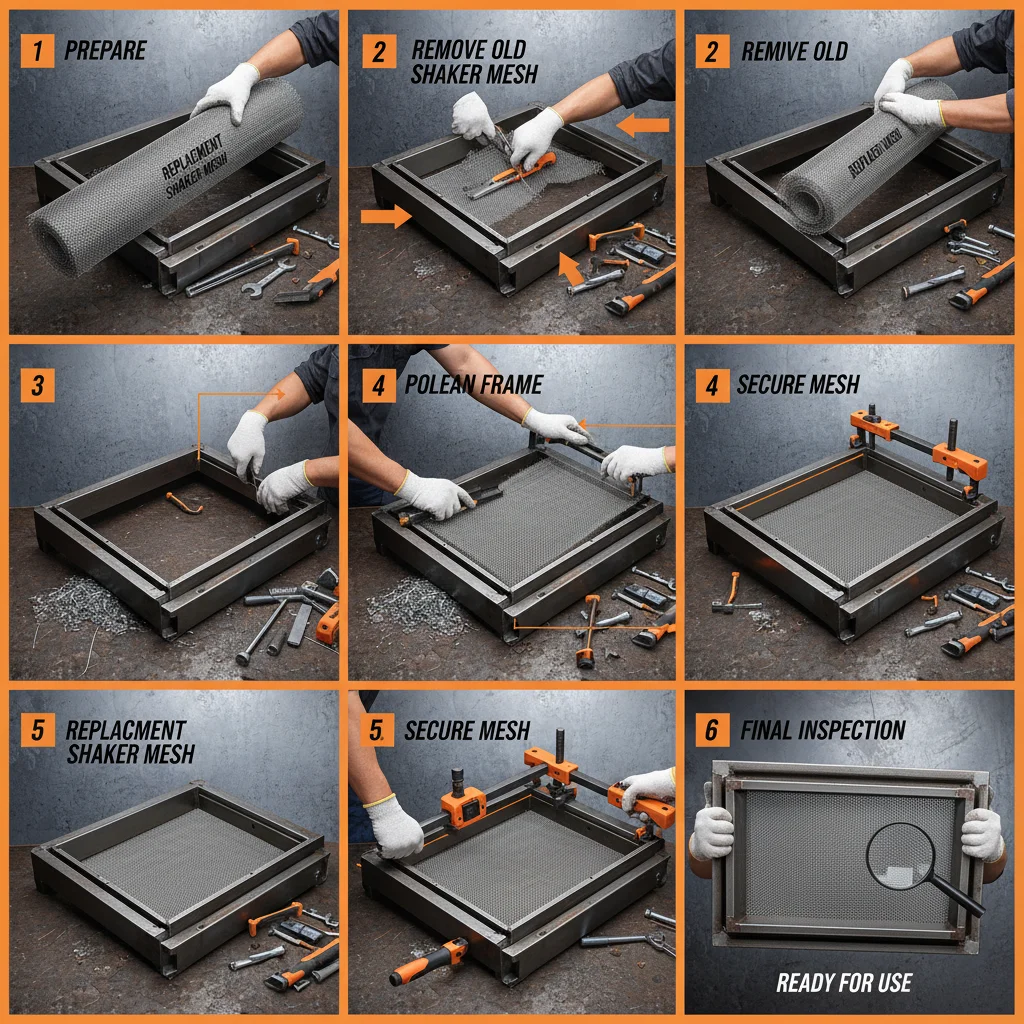
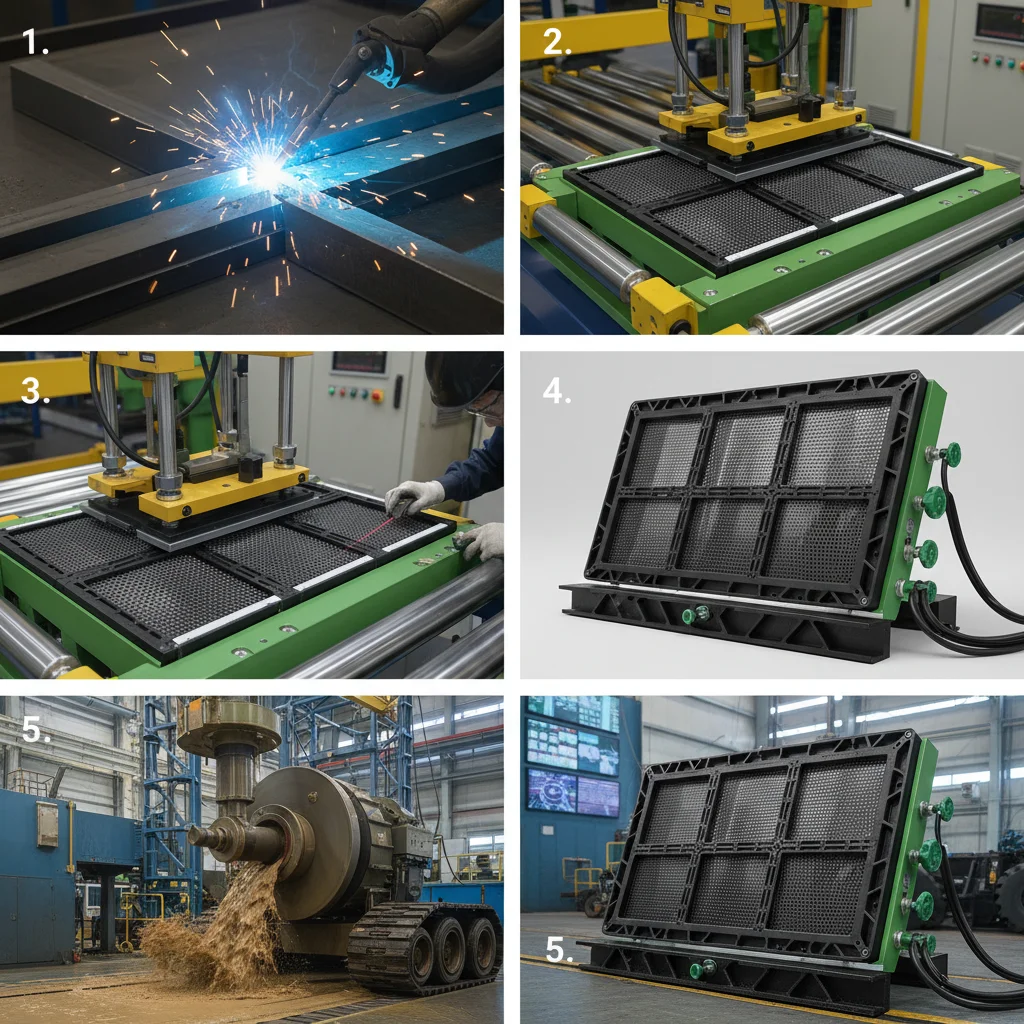
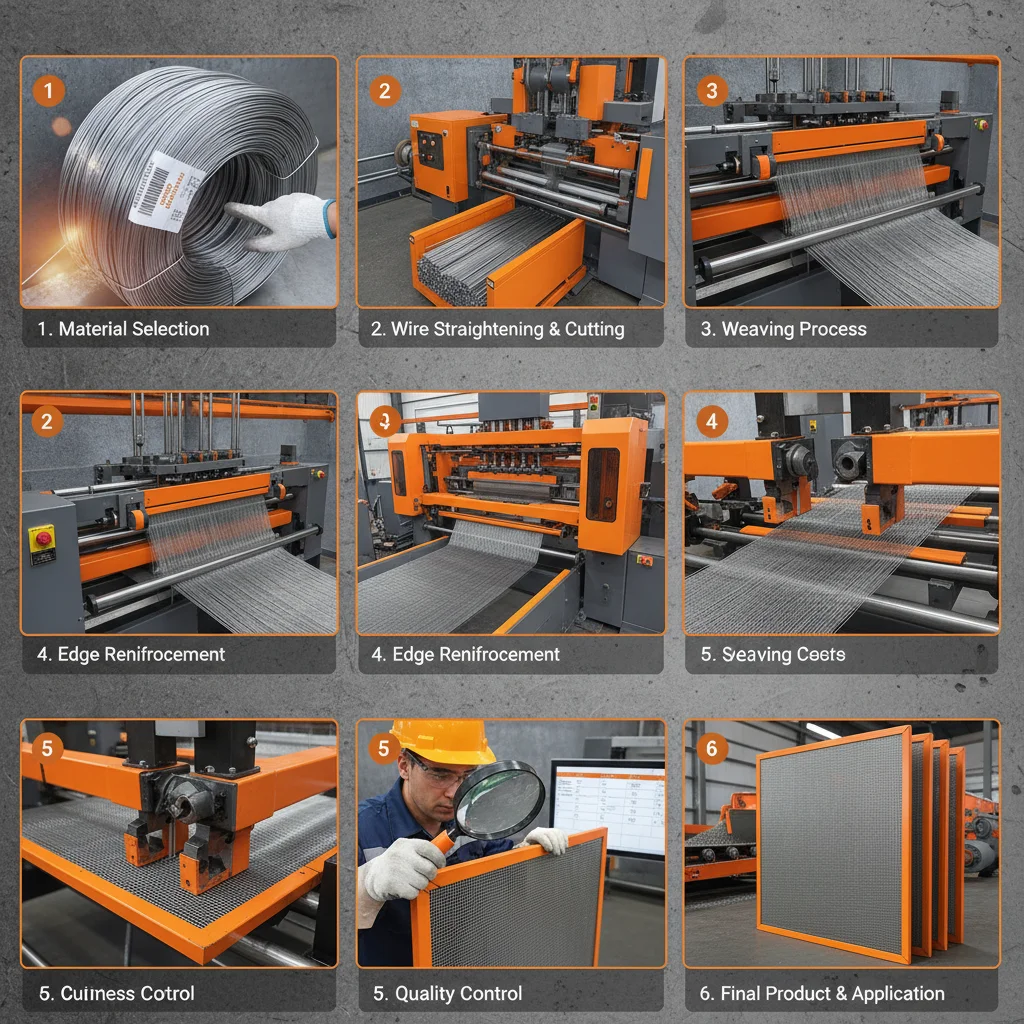
In the demanding world of oil and gas drilling, the efficiency of solids control is the heartbeat of operational success. The China PU Composite Shale Screen has emerged as a critical innovation, providing a high-performance solution for separating drilled cuttings from drilling fluids. By combining the resilience of polyurethane with a robust composite structure, these screens ensure that mud properties are maintained, reducing downtime and protecting expensive downstream equipment.
Global drilling operations face constant challenges from abrasive formations and varying mud weights. The adoption of a China PU Composite Shale Screen addresses these pain points by offering superior wear resistance and higher throughput compared to traditional wire mesh screens. As drilling depths increase and environments become more hostile, the reliance on advanced composite materials has transitioned from a luxury to an operational necessity.
Understanding the technical nuances of the China PU Composite Shale Screen allows operators to optimize their total cost of ownership. From enhancing the lifespan of the shale shaker to improving the quality of the recovered fluid, the impact is felt across the entire rig site. This guide explores the technical superiority, global applications, and long-term value provided by these specialized composite screening solutions.
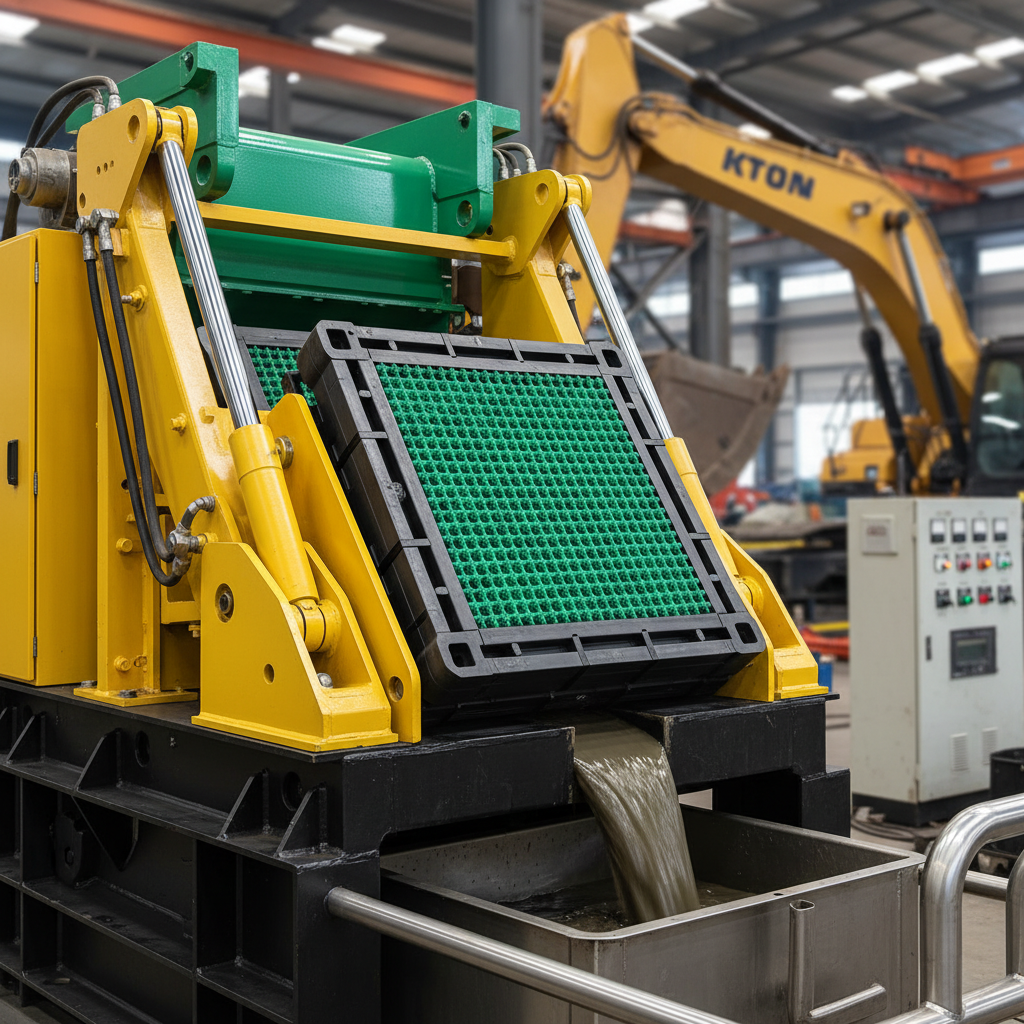
Global Relevance of China PU Composite Shale Screen
The global energy sector is under immense pressure to increase efficiency while reducing environmental footprints. In this context, the China PU Composite Shale Screen plays a pivotal role. By significantly reducing the volume of waste and maximizing the recovery of expensive drilling mud, these screens align with ISO standards for environmental management and operational safety. In regions like the Permian Basin or the North Sea, where operational costs are exorbitant, the ability to minimize screen changes is a major competitive advantage.
Moreover, the shift toward deep-water and unconventional drilling has necessitated materials that can withstand extreme pressures and chemical aggression. The China PU Composite Shale Screen is engineered to handle these stresses, preventing the catastrophic failures often seen in inferior metallic screens. As China continues to lead in materials science and manufacturing scale, these composite screens provide a reliable, cost-effective alternative that does not compromise on the rigorous E-E-A-T (Experience, Expertise, Authoritativeness, and Trustworthiness) requirements of the oilfield services industry.
Technical Definition and Composition
At its core, a China PU Composite Shale Screen is a high-precision filtration component used in shale shakers to remove solids from the drilling fluid. Unlike traditional screens made of a single material, the composite version utilizes multiple layers of high-grade Polyurethane (PU) bonded to a supporting base. This structure is designed to create a "three-dimensional" filtering surface that resists blinding and maintains a consistent aperture size under high G-force vibrations.
The "Composite" aspect refers to the integration of a reinforced mesh or a rigid polymer frame with the flexible, wear-resistant PU layers. This synergy ensures that the screen does not sag or deform under the heavy load of mud and cuttings. By employing advanced thermosetting processes, manufacturers ensure that the bonds between layers are permanent, preventing the delamination that often plagues low-quality alternatives.
From a functional perspective, these screens are the first line of defense in a solids control system. By precisely controlling the cut-point, the China PU Composite Shale Screen ensures that only the desired fluid particles pass through, while oversized shale and rock fragments are efficiently discharged. This precision is vital for maintaining the viscosity and density of the drilling fluid, which directly impacts the Rate of Penetration (ROP).
Core Components for Operational Efficiency
The durability of the China PU Composite Shale Screen is primarily driven by its high-performance polyurethane resin. This material is chosen for its exceptional abrasion resistance, which allows the screen to withstand the constant friction of sharp rock cuttings. When compared to stainless steel, PU absorbs impact energy, reducing the mechanical stress transferred to the shale shaker's frame and bearings.
Scalability and compatibility are also key. The China PU Composite Shale Screen is designed as a high-quality replacement for leading brands, including screens for Brandt, Driock, FSI, Kemtron, Scomi, and Swaco. This versatility ensures that operators can upgrade their existing equipment without needing to replace the entire shaker unit, thereby maximizing current capital investments.
Finally, cost-efficiency is realized through extended service life. A China PU Composite Shale Screen typically lasts significantly longer than conventional screens, meaning fewer replacements and less non-productive time (NPT). The reduction in labor costs and the decrease in waste material disposal make it a logically superior choice for long-term project budgeting.
Performance Metrics and Comparative Analysis
Evaluating the effectiveness of a China PU Composite Shale Screen requires looking at throughput rates and wear longevity. In real-world testing, composite screens show a marked increase in "fluid-to-solid" separation efficiency. By reducing the tendency of "blinding" (where particles clog the screen openings), the composite surface ensures a continuous flow, preventing mud overflow and reducing fluid loss.
When comparing different variants of composite screens, the focus is usually on the balance between aperture precision and structural rigidity. The following data represents a comparative rating of different China PU Composite Shale Screen configurations based on industry performance benchmarks.
China PU Composite Shale Screen Performance Comparison
Global Applications in Extreme Environments
The versatility of the China PU Composite Shale Screen makes it indispensable in diverse geographical contexts. In the remote industrial zones of the Middle East, where high temperatures and abrasive sands are common, these screens maintain their structural integrity where traditional materials would warp or erode. The heat-stabilized PU prevents the screen from softening, ensuring consistent separation even in desert climates.
Similarly, in offshore operations across the Gulf of Mexico or Southeast Asia, the compact nature and high efficiency of these screens are vital. Space on a rig is limited, and any failure leads to expensive downtime. The China PU Composite Shale Screen provides a "fit-and-forget" reliability that allows crews to focus on drilling targets rather than constant equipment maintenance.
Long-Term Economic and Sustainable Value
From an economic standpoint, investing in a China PU Composite Shale Screen is a strategy of risk mitigation. While the initial cost may be slightly higher than a basic mesh screen, the total cost per foot drilled is significantly lower. By extending the interval between screen changes, operators reduce the risk of mud spills and minimize the exposure of personnel to hazardous drilling fluids during manual replacements.
Sustainability is another critical angle. Modern drilling regulations demand a reduction in the volume of waste sent to landfills. Because the China PU Composite Shale Screen is more effective at removing fine solids, it prevents the "over-treatment" of mud with chemicals to compensate for poor solids control. This leads to a lower chemical footprint and a more eco-friendly operation.
Ultimately, the value lies in the trust and reliability these components bring to the rig. The ability to maintain a consistent mud weight allows for safer pressure control and reduces the likelihood of wellbore instability. This logical link between a simple component—the screen—and the overall safety of the multimillion-dollar drilling project is where the true value of the composite technology resides.
Future Innovations in Composite Screening
The future of the China PU Composite Shale Screen is leaning toward "smart" materials and digital integration. Researchers are exploring the addition of nano-materials to the polyurethane matrix to further increase tear strength and chemical resistance. We expect to see screens that can withstand even more aggressive synthetic-based muds without any degradation in aperture precision.
Furthermore, the integration of automation is changing how these screens are deployed. Future shaker systems may include sensors that monitor the wear level of the China PU Composite Shale Screen in real-time, alerting the crew to a potential failure before it occurs. This shift toward predictive maintenance will virtually eliminate unplanned NPT associated with solids control.
Lastly, the industry is moving toward a circular economy. New initiatives are focusing on the recyclability of used PU composite screens. By developing processes to reclaim the polyurethane and the composite backing, the industry can reduce the environmental impact of the manufacturing cycle, making the China PU Composite Shale Screen a cornerstone of "green drilling" technology.
Comparative Technical Analysis of Composite Shale Screen Variants
| Screen Type |
Wear Resistance |
Throughput Rate |
Cost-Benefit Ratio |
| Standard PU Composite |
High |
Moderate |
8/10 |
| Reinforced Hybrid |
Very High |
High |
9/10 |
| High-Flow Variant |
Moderate |
Ultra-High |
7/10 |
| Anti-Clog Composite |
High |
High |
9/10 |
| Ultra-Wear Special |
Extreme |
Moderate |
8/10 |
| Eco-Recyclable PU |
High |
Moderate |
7/10 |
FAQS
The primary advantage lies in the material's elasticity and wear resistance. While wire mesh can fray or tear when encountering large, sharp cuttings, the polyurethane in a China PU Composite Shale Screen absorbs the impact and resists abrasion. This results in a significantly longer lifespan, reduced frequency of screen changes, and more consistent fluid separation, which directly translates to lower non-productive time (NPT) on the rig.
Yes, they are specifically engineered as high-performance replacements. The China PU Composite Shale Screen is manufactured to meet the exact dimensional and technical specifications of major brands, including Brandt, Driock, FSI, Kemtron, Scomi, and Swaco. This allows operators to maintain original equipment manufacturer (OEM) performance levels while benefiting from the cost-efficiencies and material advancements offered by Chinese manufacturing.
Screen blinding occurs when particles lodge in the openings. The composite structure utilizes a layered PU approach that creates a more fluid-dynamic flow path. The natural flexibility of the PU, combined with the rigid support layer, allows the screen to "shed" particles more effectively under the vibration of the shale shaker. This maintains a higher throughput rate and prevents the mud from overflowing the shaker tank.
Absolutely. One of the key strengths of the China PU Composite Shale Screen is its chemical stability. Polyurethane is inherently resistant to many of the hydrocarbons and chemicals found in synthetic-based and oil-based muds. Unlike some polymers that might swell or degrade when exposed to SBM, these composite screens maintain their shape and aperture size, ensuring reliable performance throughout the drilling interval.
The choice of mesh size depends on the desired cut-point (the size of the particles you want to remove). Typically, you start with a coarser screen and move to finer meshes as the hole deepens or as mud properties change. We recommend analyzing your cuttings size distribution and mud viscosity. Our technical team can provide a customized recommendation to ensure your China PU Composite Shale Screen optimizes fluid recovery without overloading the shaker.
Even on short-term projects, the reduction in downtime makes them cost-effective. The time spent changing a broken wire screen can cost thousands of dollars in rig time. Because the China PU Composite Shale Screen is more durable, it reduces the probability of mid-section failure. When you factor in the improved mud recovery and reduced chemical waste, the ROI is positive regardless of the project duration.
Conclusion
The China PU Composite Shale Screen represents a critical evolution in solids control technology. By merging the ruggedness of industrial polyurethane with precise composite engineering, it solves the perennial industry struggle between throughput and durability. From its ability to replace expensive OEM parts to its superior performance in extreme global environments, this product ensures that drilling operations remain efficient, safe, and environmentally responsible.
Looking forward, the integration of smarter materials and sustainable manufacturing will only further solidify the importance of composite screening. For operators seeking to optimize their drilling fluid management and reduce total operational costs, upgrading to advanced composite solutions is no longer optional—it is a strategic necessity. We invite you to enhance your rig's efficiency today. Visit our website: www.ftshaleshakerscreen.com