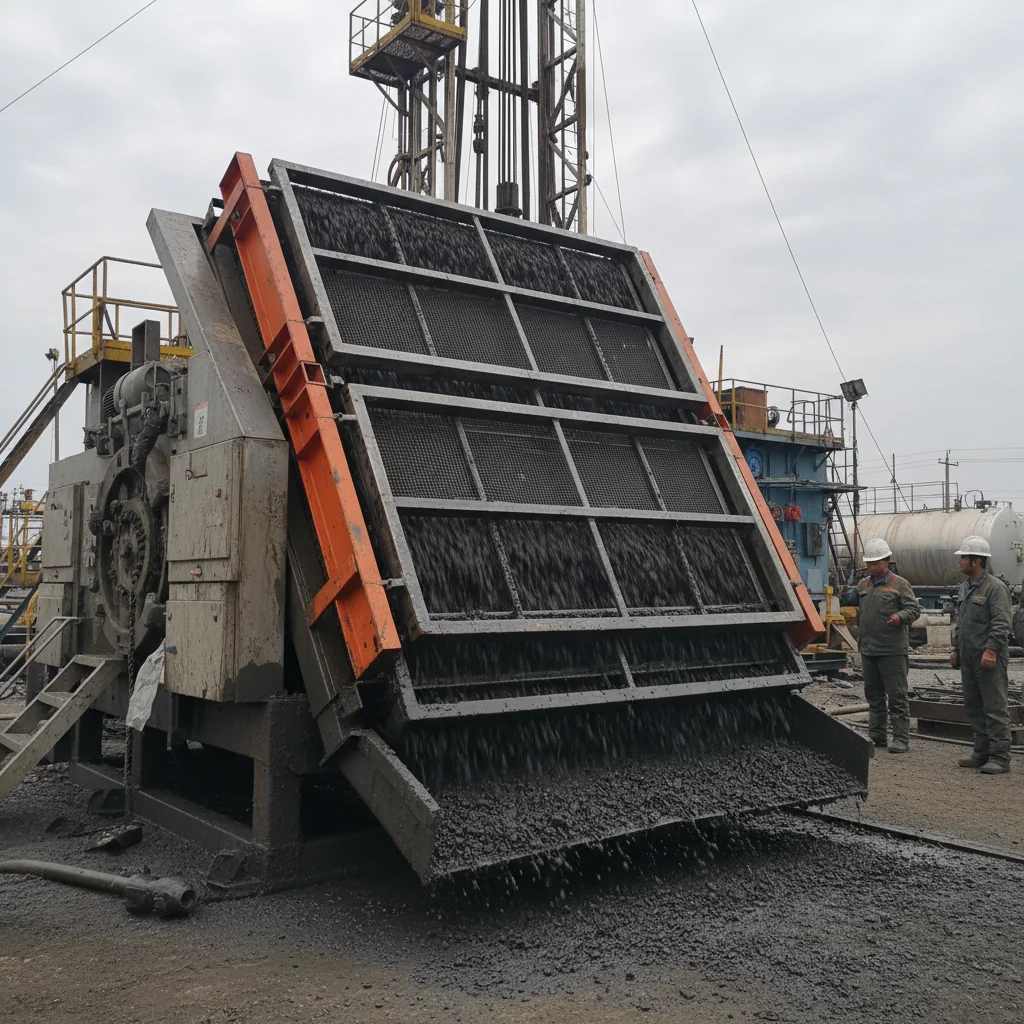
The efficiency of a drilling operation depends heavily on the ability to remove drilled solids from the mud system quickly and accurately. An Oil Rig Screening Panel serves as the critical interface in the solids control process, acting as the primary filter that prevents oversized cuttings from recirculating back into the wellbore. By ensuring a precise cut point, these panels protect downstream equipment and maintain the integrity of the drilling fluid.
Across the global oil and gas industry, the demand for high-performance filtration is increasing as drilling reaches deeper and more complex geological formations. The challenge lies in balancing high fluid throughput with the need for rigorous separation, as any failure in the screening process can lead to costly downtime, pump wear, and reduced rate of penetration. This makes the selection of durable, API-standardized materials a top priority for rig managers.
Modern solutions like the FT-VSM Multi series are specifically engineered to address these challenges, providing a high-performance Oil Rig Screening Panel that fits seamlessly into NOV Brandt Multi-Sizer shakers. By utilizing premium stainless steel and reinforced frames, these components maximize fluid recovery and ensure operational stability in the harshest drilling environments.

Technical Engineering of the Oil Rig Screening Panel
The engineering behind a high-performance Oil Rig Screening Panel focuses on the synergy between the mesh weave and the supporting frame. For the FT-VSM Multi series, this means utilizing a robust Q235 steel frame that prevents deformation under the intense G-forces of a shale shaker. This structural integrity ensures that the screen remains flat and effective, preventing "blind spots" where mud might bypass the filtration layer.
Furthermore, the availability of both XR and XL series options allows operators to customize the conductance based on specific fluid densities. While XL series are optimized for higher flow rates, the XR series provides specialized separation characteristics, ensuring that the rig can adapt to changing geological formations without replacing the entire shaker setup.
Material Science and Corrosion Resistance
The environment inside a shale shaker is incredibly aggressive, characterized by abrasive cuttings and chemically active drilling muds. To combat this, the Oil Rig Screening Panel is constructed from superior-grade stainless steel, specifically 304, 316, and 316L. These alloys are chosen for their ability to resist pitting and crevice corrosion, which are common when dealing with high-chloride fluids.
Among these, SS316L is particularly effective for operations involving aggressive chemical additives. The low carbon content of 316L reduces the risk of sensitization during welding, ensuring that the connection between the mesh and the frame remains the strongest point of the assembly, rather than a point of failure.
By combining these high-grade alloys with a precision-engineered weave, the resulting panel exhibits exceptional mechanical strength. This material choice directly translates to a longer service life, typically ranging from 240 to 360 hours, which is a significant improvement over standard industrial screens.
API RP13C Standards and Precision Separation
Consistency is the cornerstone of solids control. An Oil Rig Screening Panel must adhere to the API RP13C standard to ensure that the stated API designation—ranging from API 20 to API 325—accurately reflects the actual separation micron. This standardization allows rig crews to predict exactly which particle sizes will be removed, regardless of where the screens were manufactured.
When using a standardized Oil Rig Screening Panel, the precision of the weave ensures that fluid loss is minimized while solids carry-over is kept to an absolute minimum. This precision is vital when drilling through varied mud weights, as it allows for the fine-tuning of the mud properties to maintain wellbore stability.
For NOV Brandt Multi-Sizer shakers, the FT-VSM series is engineered as a direct replacement. Because they follow these strict API guidelines, these panels fit seamlessly into the frame, eliminating the need for modifications and reducing the risk of leaks or vibrations that could damage the shaker motor.
Performance Metrics and Conductance Optimization
Conductance refers to the ability of the screening medium to allow fluid to pass through while retaining solids. A high-conductance Oil Rig Screening Panel is essential for maximizing throughput and preventing "mud over the end," a common failure where the fluid volume exceeds the screen's capacity, leading to wasted drilling mud and increased costs.
By optimizing the weave geometry, the FT-VSM Multi series achieves a balance between a tight cut point and high flow capacity. This ensures that the rig can maintain a high rate of penetration without sacrificing the quality of the drilling fluid, effectively increasing the overall efficiency of the drilling cycle.
Comparative Efficiency of Oil Rig Screening Panel Designs
Operational Applications Across Global Terrains
From the deepwater rigs of the Gulf of Mexico to the remote onshore sites in the Middle East, the application of a reliable Oil Rig Screening Panel is universal. In high-pressure, high-temperature (HPHT) wells, the ability of the screen to withstand thermal expansion and chemical degradation is critical. The FT-VSM series excels here, providing a stable separation barrier that doesn't warp under extreme conditions.
In remote industrial zones where logistics are a challenge, the extended service life of 240-360 hours becomes a strategic advantage. Reducing the frequency of screen changes minimizes the amount of inventory that must be transported to the site and reduces the risk of downtime caused by supply chain delays.
Long-term Value and Total Cost of Ownership
When evaluating an Oil Rig Screening Panel, many operators make the mistake of focusing solely on the initial purchase price. However, the Total Cost of Ownership (TCO) is driven by replacement frequency and rig downtime. A budget screen that lasts only 150 hours creates significantly more cost in labor and lost drilling time than a premium screen that lasts 300 hours.
Furthermore, the high recovery rate of premium panels reduces fluid loss. Since drilling mud is a costly chemical mixture, recovering a higher percentage of the fluid through an optimized screen directly improves the project's bottom line.
By investing in API-compliant, high-durability panels, companies move from a reactive maintenance cycle to a proactive one. This transition not only saves money but also enhances safety on the rig floor by reducing the number of manual screen changes required during active drilling.
Future Innovations in Solids Control Filtration
The future of the Oil Rig Screening Panel is moving toward smarter materials and integrated monitoring. We are seeing a shift toward "intelligent" screens that can signal when they are nearing the end of their operational life, reducing the guesswork involved in replacement schedules.
Digital transformation is also influencing the manufacturing process. Advanced laser-cutting and precision weaving technologies are allowing for even tighter tolerances in API designations, enabling the separation of even smaller particles to protect ultra-sensitive downstream equipment.
Sustainability is another key driver. The industry is looking for materials that offer the same corrosion resistance as stainless steel but with a lower environmental footprint in production. Meanwhile, the focus on maximizing fluid recovery aligns with global goals to reduce waste and chemical runoff in oilfield operations.
Comparative Analysis of Oil Rig Screening Panel Performance Metrics
| Screen Category |
Average Lifespan (Hrs) |
Fluid Loss Rate |
TCO Impact |
| Standard Grade |
150 - 200 |
Moderate |
High (Frequent Change) |
| FT-VSM XR Series |
240 - 300 |
Low |
Optimized |
| FT-VSM XL Series |
280 - 360 |
Very Low |
Lowest (Max Life) |
| Budget Economy |
100 - 150 |
High |
Very High (Downtime) |
| Custom Specialized |
200 - 300 |
Low |
Moderate |
| API-Standard Premium |
250 - 350 |
Low |
Optimized |
FAQS
XR and XL series differ primarily in their mesh construction and fluid conductance. XL screens are specifically engineered for higher flow rates, allowing more mud to pass through quickly, whereas XR screens offer specialized separation characteristics tailored to specific fluid volumes and cut points. Choosing between them depends on your specific mud weight and the desired throughput of your solids control system.
Yes, the FT-VSM Multi screens are engineered as direct replacement components. Because they strictly adhere to API RP13C standards, they are guaranteed to fit seamlessly into the Multi-Sizer frame. This ensures a precision fit that prevents leakage and maintains the operational efficiency of the shaker without requiring any modifications to the existing equipment.
The API designation (e.g., API 100, API 200) refers to the mesh size. A higher number indicates a finer mesh, which is used to remove smaller particles from the drilling mud. To choose the correct one, you should evaluate your required mud weight and the size of the solids you need to remove. For coarser separation, use lower numbers; for fine-tuning, move toward higher API designations.
We utilize high-grade Stainless Steel 304, 316, or 316L. SS316L is particularly recommended for environments with high chloride content or where aggressive chemical additives are present in the drilling mud. This material provides a robust defense against chemical corrosion and abrasion, ensuring the screen doesn't degrade prematurely in harsh conditions.
Depending on the abrasiveness of the geological formations and the properties of the drilling fluid, the expected working life ranges between 240 and 360 hours of active operation. This is significantly higher than standard screens, which typically last only 150-200 hours, thereby reducing the frequency of maintenance intervals and overall rig downtime.
Yes, all FT-VSM Multi screens come with a standard 1-year warranty covering manufacturing defects. This ensures that your investment is protected and that the product arrives and performs according to the strict API RP13C standards promised, giving operators peace of mind during critical drilling phases.
Conclusion
The selection of a high-quality Oil Rig Screening Panel is not merely a maintenance decision but a strategic operational choice. By combining API RP13C compliance, premium stainless steel construction, and optimized conductance through the XR and XL series, operators can significantly reduce fluid loss and extend the lifespan of their solids control equipment. The shift from standard screens to premium FT-VSM solutions results in a lower total cost of ownership and higher rig efficiency.
Looking forward, the integration of more durable materials and precision engineering will continue to push the boundaries of what is possible in solids separation. We recommend that rig managers prioritize long-term durability and standardized precision over initial cost to ensure maximum uptime. To optimize your solids control performance today, visit our website: www.ftshaleshakerscreen.com.