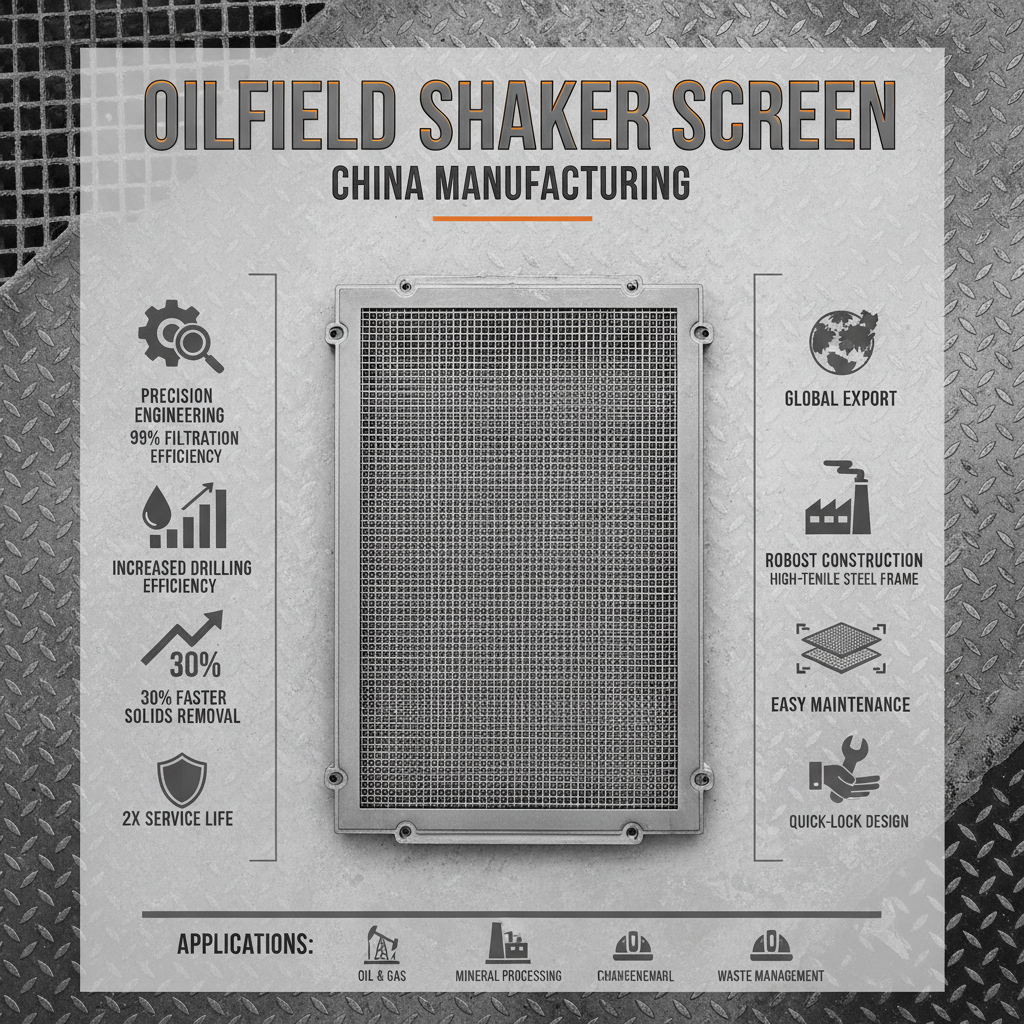
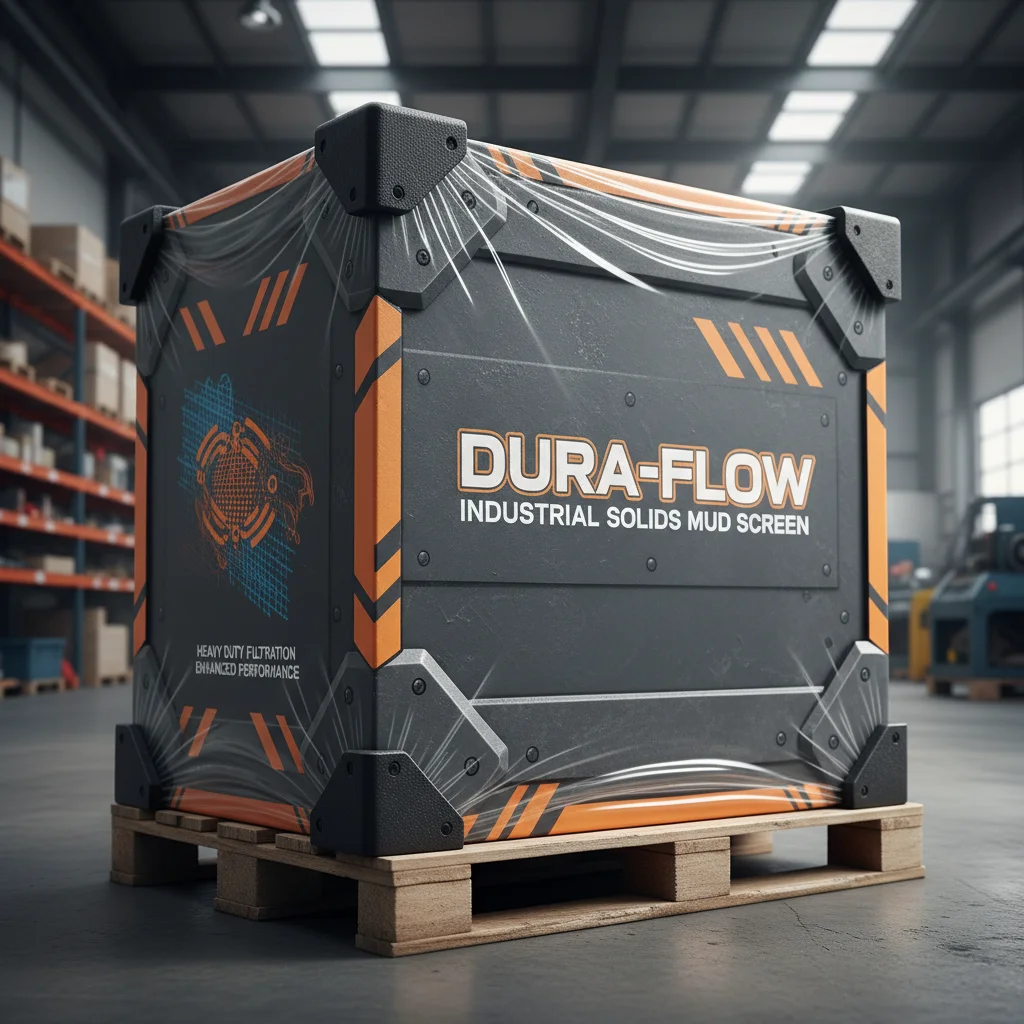
In the demanding environment of global oil and gas exploration, the efficiency of solids control is paramount to maintaining drilling fluid integrity and reducing operational downtime. A China Oilfield Shaker Screen serves as the primary defense line in this process, engineered to remove drill cuttings from the mud through precise vibration and filtration. By optimizing the separation of solids, these screens prevent equipment wear and ensure that the drilling process remains cost-effective and safe.
The global shift toward deeper and more complex wells has increased the reliance on high-performance filtration components. As operators face more abrasive formations, the demand for a durable China Oilfield Shaker Screen has surged, as these components must withstand extreme mechanical stress while maintaining strict API mesh specifications. The balance between fluid recovery and solids removal is what defines the success of a drilling operation's circulation system.
Understanding the nuances of screen selection—ranging from mesh count to material composition—allows drilling engineers to maximize the lifespan of their mud pumps and downstream equipment. Whether utilizing replacement screens for Brandt, Swaco, or FSI, the integration of a high-quality China Oilfield Shaker Screen ensures that the drilling fluid is processed with maximum throughput and minimum loss, directly impacting the overall profitability of the well.
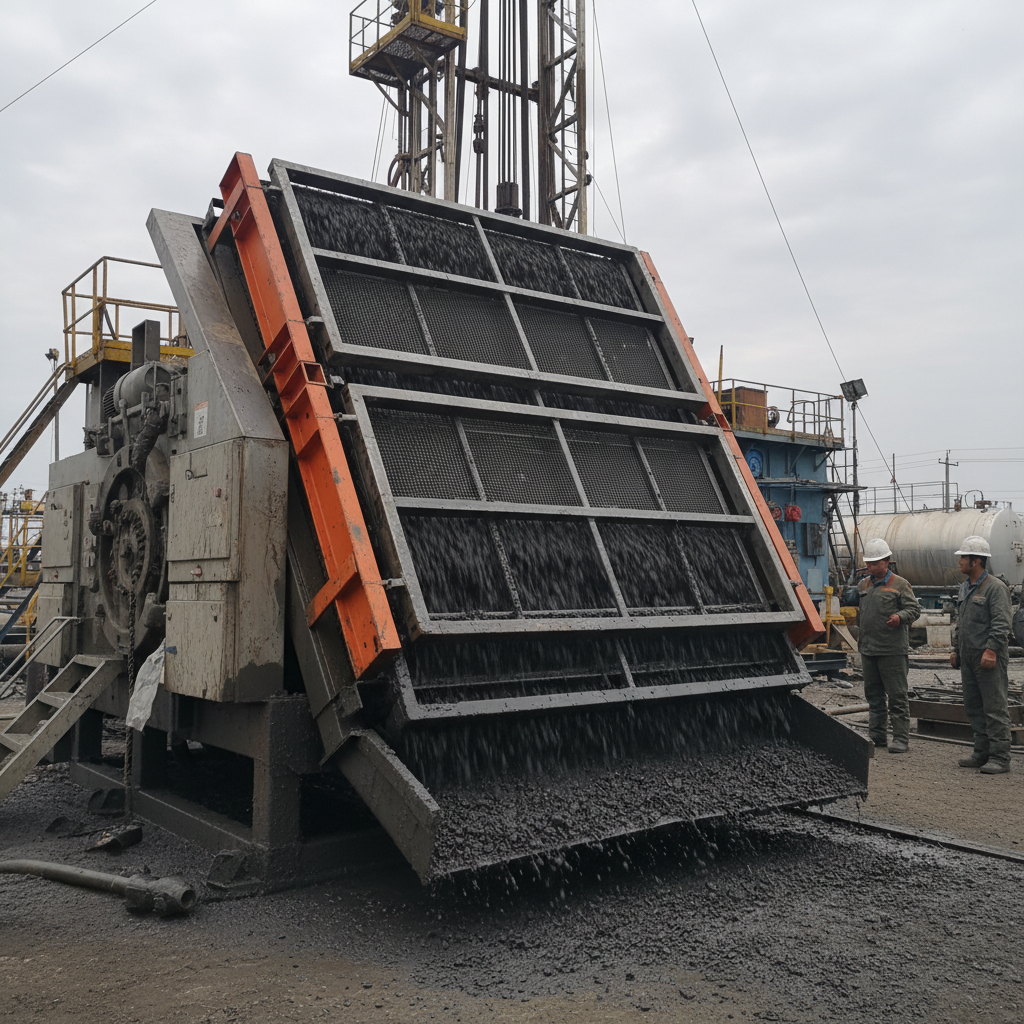
Global Industry Context of China Oilfield Shaker Screen
The global oilfield equipment market has seen a significant transition toward high-efficiency, cost-effective replacements. With the rise of unconventional shale gas and deep-water drilling, the stress on solids control equipment has reached unprecedented levels. The China Oilfield Shaker Screen has emerged as a critical solution, offering the precision of international standards combined with the scalability of advanced manufacturing.
Industry data suggests that improper solids control can lead to a 15-20% increase in drilling costs due to mud dilution and increased pipe wear. By implementing a high-grade China Oilfield Shaker Screen, operators can significantly reduce the volume of waste generated and lower the consumption of expensive base fluids, aligning with global ISO standards for environmental management in the energy sector.
Defining the Role of China Oilfield Shaker Screen
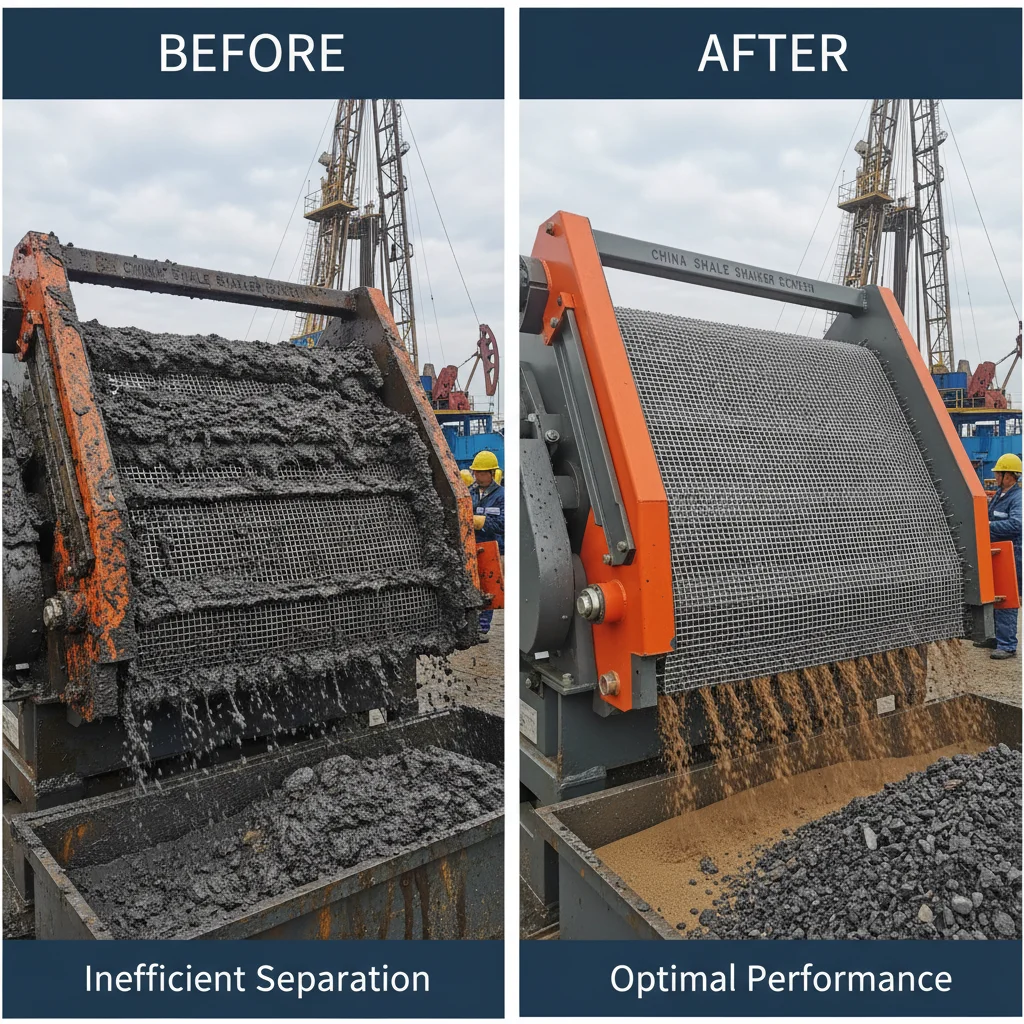
At its most basic level, a China Oilfield Shaker Screen is a high-precision filtration mesh designed to separate drilled solids (cuttings) from the drilling fluid. It acts as a sieve that vibrates at high frequencies, allowing the liquid mud to pass through while the larger rock particles are conveyed off the end of the shaker. This process is essential for maintaining the specific gravity and viscosity of the mud, which in turn stabilizes the borehole and cools the drill bit.
Beyond simple filtration, these screens are the heart of the "solids control" system. Without a reliable China Oilfield Shaker Screen, the mud would become overloaded with solids, leading to "thick mud" that causes excessive pressure on the pumps and increases the risk of stuck pipes. Modern screens utilize a combination of stainless steel and high-density polymers to ensure that they can handle both chemically aggressive muds and physically abrasive cuttings.
In the context of modern industry, these components are no longer seen as simple consumables but as strategic assets. A well-chosen China Oilfield Shaker Screen allows for a tighter "cut point," meaning it can remove smaller particles that traditional screens would miss. This precision is vital for humanitarian-aligned energy projects aimed at reducing the environmental footprint of drilling by minimizing the amount of chemical additives required to maintain mud properties.
Core Technical Components and Durability
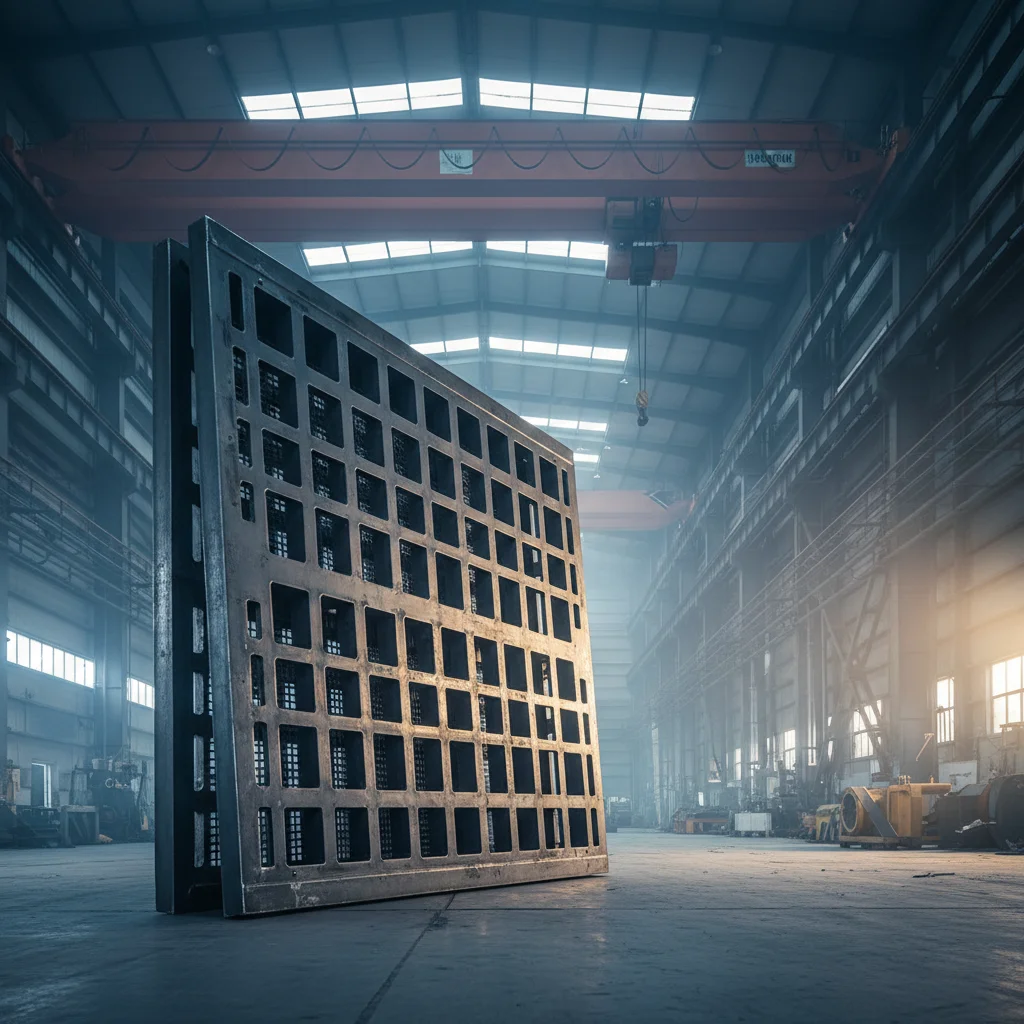
The durability of a China Oilfield Shaker Screen is primarily determined by its weave construction and material quality. High-tensile stainless steel wires are typically woven into a precise mesh, which is then bonded to a supporting frame. This structure must resist the constant G-forces generated by the shaker's motor without tearing or stretching, ensuring a consistent aperture size throughout the screen's operational life.
To enhance longevity, many China Oilfield Shaker Screen options now incorporate reinforced composite backing or rubberized edges. These additions prevent the screen from rubbing against the shaker bed, which is a common cause of premature failure. By reducing friction and increasing impact resistance, these screens can operate in the harshest environments, from the Arctic to the deserts of the Middle East.
Scalability and compatibility are also key factors. Whether the operator is using a Replacement Shale Shaker Screen For Brandt or one for Swaco, the China Oilfield Shaker Screen is designed to fit perfectly within the existing frame. This ensures a tight seal that prevents "mud bypass," a condition where fluid flows under the screen rather than through it, which would render the filtration process ineffective.
Key Performance Factors in Shale Shakers
When evaluating the performance of a China Oilfield Shaker Screen, engineers look at the "Cut Point" and "Fluid Throughput." The cut point refers to the smallest particle size that the screen can reliably remove, while throughput is the volume of mud the screen can process per hour. Balancing these two is a delicate act: a tighter mesh improves mud quality but slows down the flow, potentially causing the shaker to overflow.
Another critical factor is the resistance to "blinding," where fine particles clog the mesh openings. Advanced China Oilfield Shaker Screen designs utilize specialized weave patterns and surface coatings to ensure that particles are shed quickly, maintaining a high flow rate even when drilling through clay-heavy formations.
Performance Comparison of China Oilfield Shaker Screen Types
Global Applications and Regional Use Cases
The application of the China Oilfield Shaker Screen spans across diverse geological terrains. In the North American shale plays, where high-volume hydraulic fracturing is common, these screens are used to handle the massive amounts of solids returned during the drilling phase. The ability to swap screens quickly—such as moving from a Replacement Shale Shaker Screen For Kemtron to one for Scomi—allows operators to adapt to changing formation types in real-time.
In remote industrial zones, such as the offshore rigs of the Gulf of Mexico or the onshore fields of Central Asia, the reliability of a China Oilfield Shaker Screen is a matter of operational security. In these areas, logistics are difficult, and a screen failure can lead to costly non-productive time (NPT). Therefore, the focus is on high-durability screens that can last longer between changes, reducing the frequency of hazardous manual replacements on the rig floor.
Long-Term Economic and Operational Value
Investing in a premium China Oilfield Shaker Screen provides tangible economic benefits that extend far beyond the initial purchase price. By achieving a more precise separation of solids, operators can reduce the "dilution rate" of their drilling mud. Since mud chemicals are among the highest operational expenses, reducing the need to dump old mud and add new fluid results in significant cost savings over the life of the well.
From a safety and reliability angle, the use of a high-quality screen reduces the load on the mud pumps. When a China Oilfield Shaker Screen effectively removes abrasive particles, the internal wear on pump liners and valves is drastically slowed. This extends the mean time between failures (MTBF) for the entire circulation system, enhancing the overall safety of the rig crew by reducing the frequency of emergency repairs.
Furthermore, there is an emotional component of trust. Drilling contractors rely on the consistency of their equipment. Knowing that a China Oilfield Shaker Screen will not rip under pressure gives the crew confidence to push for higher rates of penetration (ROP), knowing the solids control system can keep up. This synergy of trust and technology is what drives innovation in the drilling industry.
Future Trends and Material Innovations
The future of the China Oilfield Shaker Screen lies in the intersection of material science and digital transformation. We are seeing a shift toward "smart screens" equipped with sensors that can monitor fluid throughput and mesh integrity in real-time. This allows for predictive maintenance, where a screen is replaced based on actual wear data rather than a fixed schedule, further reducing NPT.
Sustainability is also driving the development of new materials. Researchers are exploring bio-polymer coatings for the China Oilfield Shaker Screen to reduce the friction of cuttings and make the screens more biodegradable at the end of their lifecycle. Additionally, the move toward "Green Drilling" is pushing for screens that can handle water-based muds more efficiently, reducing the reliance on oil-based fluids.
Automation is the final piece of the puzzle. Future drilling rigs may feature automated screen-changing systems, where the China Oilfield Shaker Screen is swapped by a robotic arm based on the mud properties detected by AI. This not only increases efficiency but removes personnel from the hazardous area around the vibrating shaker.
Technical Analysis of China Oilfield Shaker Screen Material Performance
| Screen Material |
Abrasion Resistance |
Fluid Throughput |
Overall Life Cycle Score |
| Stainless Steel 316 |
High |
Medium |
8/10 |
| Polyurethane Coating |
Very High |
High |
9/10 |
| Composite Fiber |
Medium |
Very High |
7/10 |
| Tungsten Carbide Inlay |
Extreme |
Low |
8/10 |
| Hybrid Alloy Mesh |
High |
High |
9/10 |
| Standard Galvanized |
Low |
Medium |
5/10 |
FAQS
Choosing the correct mesh size depends on the size of the cuttings you expect to encounter in your specific formation. A higher mesh number (tighter screen) removes smaller particles but reduces flow rate. We recommend analyzing the geological report of your drilling site and starting with a medium mesh, adjusting based on the solids content of the returned mud to find the optimal balance between fluid recovery and solids removal.
Yes, our replacement screens are precision-engineered to match the exact dimensions and tensioning requirements of major brands. Whether you need a Replacement Shale Shaker Screen For Swaco, Brandt, FSI, or Kemtron, the designs ensure a seamless fit that prevents mud bypass and maintains the structural integrity of the shaker bed, offering an OEM-quality alternative at a more competitive price point.
The most common causes are "blinding" (clogging) which leads to fluid overloading, or mechanical rubbing against the shaker frame. Additionally, using a screen with a mesh size that is too fine for the formation can cause excessive pressure. Regular cleaning and ensuring the screen is properly tensioned and seated in the frame can significantly extend the operational life of your screens.
Replacement frequency varies by formation. In highly abrasive sandstone, screens may need replacing every few days, while in softer clays, they can last weeks. The key indicator for replacement is a noticeable drop in fluid throughput or the appearance of larger cuttings in the mud tanks. Implementing a predictive monitoring system can help you time replacements to avoid unplanned downtime.
Absolutely. By removing smaller solids more efficiently, you reduce the need for expensive mud dilution and chemical additives. Furthermore, by protecting downstream equipment like mud pumps and centrifuges from abrasive wear, you lower the overall maintenance cost of the rig. The long-term savings in fluid chemicals and equipment repairs far outweigh the cost of the screens themselves.
Flat screens are standard and easy to replace, while pyramid (or 3D) screens offer an increased surface area within the same footprint. This increased area allows for higher throughput without sacrificing the cut point. Depending on your G-force requirements and fluid volume, a pyramid-style China Oilfield Shaker Screen can provide superior efficiency in high-volume drilling operations.
Conclusion
The China Oilfield Shaker Screen is far more than a simple piece of mesh; it is a critical component that dictates the efficiency, safety, and cost-effectiveness of the entire drilling process. From ensuring the precision of the cut point to withstanding the brutal mechanical stresses of the rig floor, the right screen choice directly impacts the lifespan of the drilling fluid and the health of the mud circulation system. By integrating advanced materials and adhering to strict global standards, these screens provide a reliable solution for operators worldwide.
Looking forward, the industry will continue to evolve toward smarter, more sustainable filtration technologies. We encourage drilling engineers and procurement managers to prioritize high-durability, high-throughput screens that align with their specific geological challenges. Embracing these innovations not only lowers operational costs but also contributes to a safer and more environmentally responsible energy extraction process. For more information and a full catalog of replacement options, visit our website: www.ftshaleshakerscreen.com.