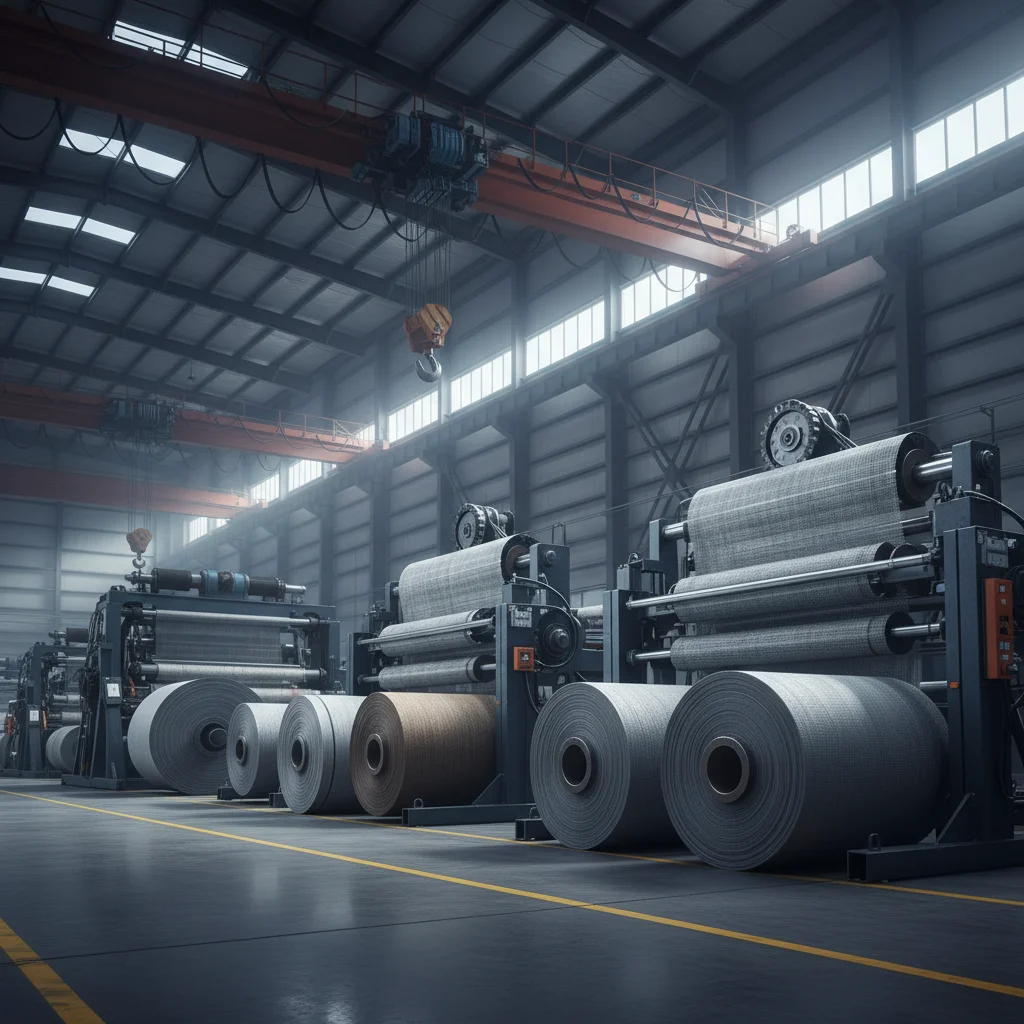
In the demanding environment of oil and gas drilling, the efficiency of solids control is paramount to maintaining drilling fluid properties and ensuring borehole stability. The China Shale Shaker Screen has emerged as a critical component in this process, offering a high-precision filtration solution that separates cuttings from the drilling mud with exceptional reliability. By integrating advanced material science with precision engineering, these screens minimize fluid loss and protect expensive downstream equipment from premature wear.
Globally, the shift toward more complex shale formations and deeper wells has placed unprecedented stress on drilling equipment. The industry now requires screening solutions that can handle higher G-forces and more abrasive solids without frequent failure. This is where the innovation behind the China Shale Shaker Screen provides a competitive edge, balancing the need for high throughput with the necessity of strict particle size control.
Understanding the nuances of screen selection—from mesh count to material composition—can significantly reduce non-productive time (NPT) and lower the total cost of ownership for drilling operators. Whether you are utilizing replacement screens for Brandt, Swaco, or FSI systems, the quality of the screen determines the health of your mud system. This guide explores the technical evolution and practical advantages of utilizing high-performance screening technology from China's leading manufacturers.
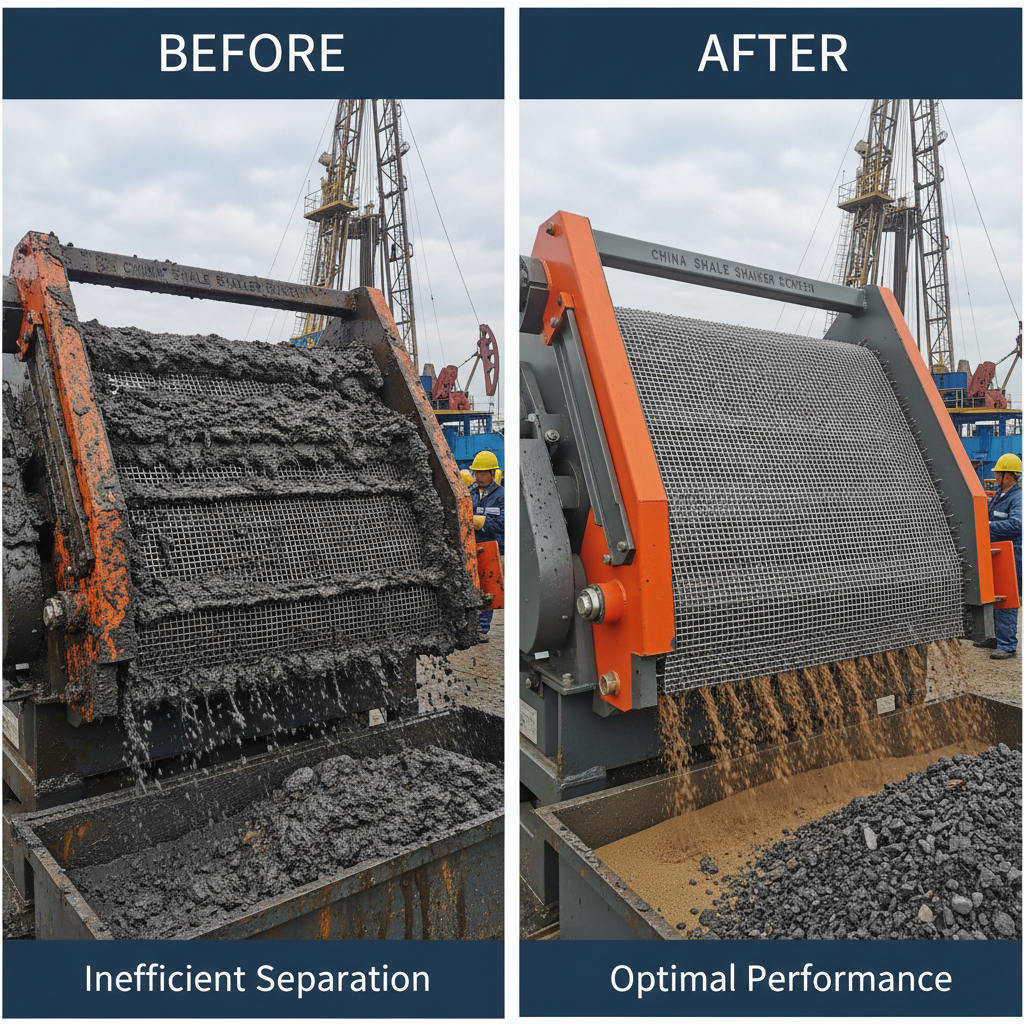
Global Relevance of China Shale Shaker Screen
The global energy landscape has seen a massive surge in unconventional oil and gas extraction, leading to a heightened demand for efficient solids control. The China Shale Shaker Screen has become a cornerstone of this supply chain, providing the global market with high-quality, cost-effective alternatives to OEM screens. According to industry standards aligned with ISO quality benchmarks, the ability to maintain consistent aperture sizes under extreme vibration is what separates a premium screen from a generic one.
As drilling operations move into more remote regions, from the Permian Basin to the Middle East, the logistical need for durable and readily available replacement parts has never been greater. The scalability of Chinese manufacturing allows for rapid customization, ensuring that screens for brands like Driock, Kemtron, and Scomi are produced to exact specifications, reducing the risk of equipment downtime during critical drilling phases.
Defining the China Shale Shaker Screen Technology
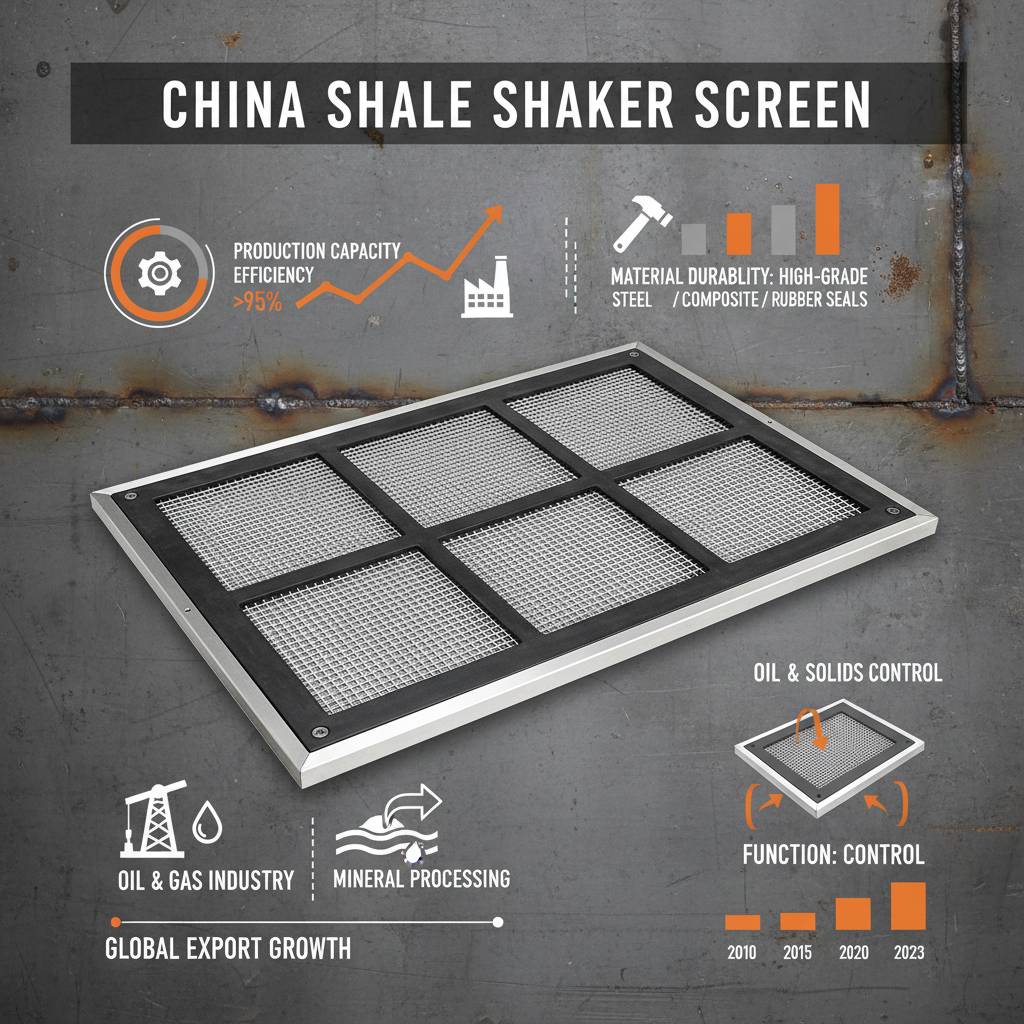
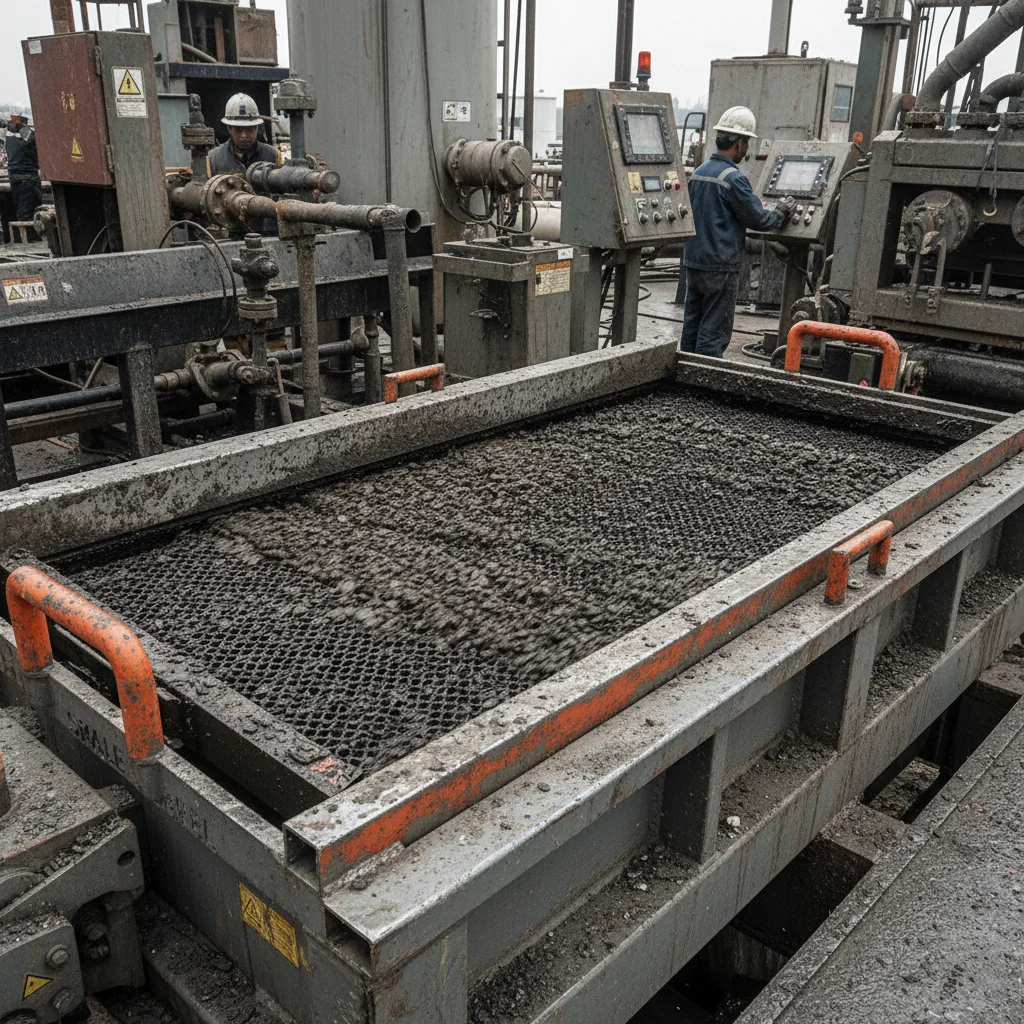
At its most basic level, a China Shale Shaker Screen is a high-tension mesh filter designed to separate drilled solids (cuttings) from the liquid drilling fluid (mud). This process is essential because allowing solids to recirculate through the mud pumps can cause severe erosion of the pump liners and drill bits, leading to catastrophic equipment failure and costly repairs.
Modern versions of these screens utilize a multi-layered approach, often combining a coarse support mesh with a fine-weave primary screen. This "composite" design ensures that the screen can withstand the high G-forces generated by the shaker's linear or elliptical motion while still capturing the smallest required particles. The engineering focuses on the tension of the mesh, ensuring there is no "sagging" which would otherwise lead to fluid bypassing the filtration area.
In the context of modern humanitarian and industrial needs, the efficiency of these screens directly impacts environmental sustainability. By maximizing the recovery of drilling fluids, operators reduce the volume of waste generated at the rig site and lower the amount of chemicals needed to replenish the mud system, aligning with global green energy and environmental protection goals.
Core Components and Engineering Factors
Durability is the primary engineering driver for any China Shale Shaker Screen. The choice of material—typically high-grade stainless steel or specialized polymers—determines how the screen resists abrasion from sand and rock. A screen that maintains its structural integrity under high-velocity impact allows operators to run the shaker at higher speeds, thereby increasing the overall Rate of Penetration (ROP).
Precision aperture control is the second critical factor. For a China Shale Shaker Screen, the consistency of the mesh opening is vital. Even a slight deviation in the hole size can lead to "blinding" (clogging) or "leakage," both of which compromise the mud weight and increase the risk of a well-control incident. This is why precision weaving technology is employed to ensure uniformity across the entire surface area.
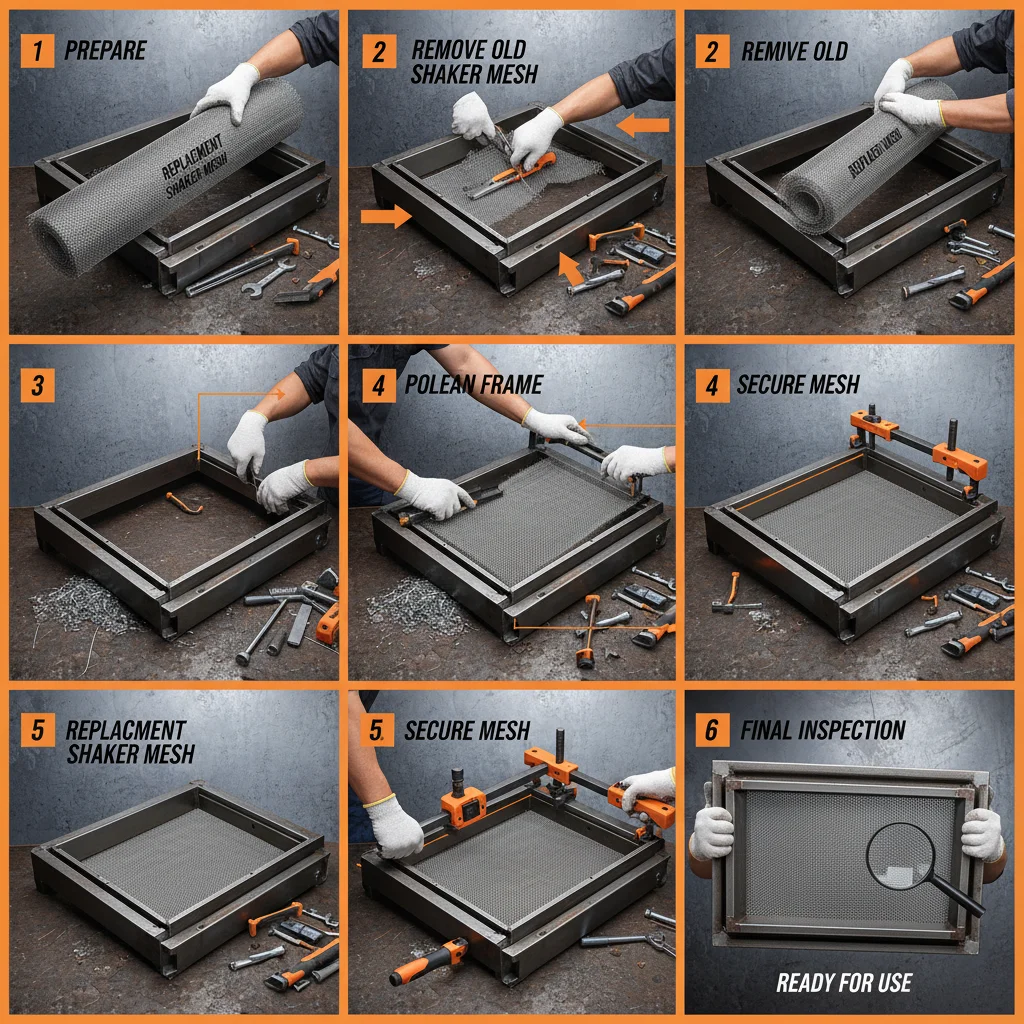
Finally, cost-efficiency and compatibility are what make these screens highly sought after. Whether designing a replacement for Swaco or FSI systems, the focus is on ensuring a perfect fit with the shaker's frame. Proper sealing prevents mud from leaking under the screen, ensuring that 100% of the fluid is processed through the mesh, which optimizes the efficiency of the entire solids control system.
Practical Applications in Global Drilling Zones
The application of the China Shale Shaker Screen varies significantly depending on the geological formation. In hard-rock drilling environments, where cuttings are jagged and abrasive, high-tensile steel screens are utilized to prevent premature tearing. Conversely, in clay-heavy formations, specialized polymer-coated screens are used to reduce "blinding," allowing sticky solids to slide off the surface more easily.
From the offshore rigs of the North Sea to the remote industrial zones of Central Asia, these screens are integral to maintaining mud rheology. In post-disaster relief operations involving water well drilling, the ability to quickly deploy reliable screening solutions ensures that clean water sources are established without contaminating the surrounding soil with drilling chemicals.
Performance Analysis of China Shale Shaker Screen Variations
Long-Term Value and Operational Advantages
The adoption of a high-quality China Shale Shaker Screen offers tangible long-term value through the reduction of operational overhead. By extending the lifespan of the mud system, operators see a direct decrease in the consumption of expensive base fluids and additives. Furthermore, the reliability of these screens reduces the frequency of "screen changes," which are labor-intensive and often require a temporary halt in drilling operations.
Beyond the financial metrics, there is a significant safety and trust component. When a drilling crew knows that their solids control equipment is functioning perfectly, they can focus on the complex tasks of directional drilling and pressure management. This peace of mind, combined with the innovation of wear-resistant materials, ensures that the drilling process remains stable, predictable, and safe for all personnel on the rig.
Future Trends in Screening Materials
The future of the China Shale Shaker Screen is being shaped by the integration of nanotechnology and smart materials. We are seeing the development of "anti-fouling" coatings that use hydrophobic properties to prevent the adherence of sticky clays, which could potentially double the lifespan of a screen in challenging formations.
Digital transformation is also playing a role, with some manufacturers exploring the integration of sensors within the shaker frame to monitor screen tension and wear in real-time. This move toward predictive maintenance will allow operators to replace screens exactly when needed, rather than following a rigid schedule, further optimizing costs.
Sustainability remains a key driver, with a shift toward recyclable polymers and more energy-efficient manufacturing processes. As the industry moves toward "Green Drilling," the ability to produce screens that are both biodegradable at the end of their life and highly efficient during their use will be the next major milestone for the China-based manufacturing sector.
Overcoming Common Challenges in Solids Control
One of the most persistent challenges in solids control is the phenomenon of "screen blinding," where fine particles plug the apertures, causing the mud to overflow the shaker. To solve this, the China Shale Shaker Screen has evolved to include varied weave patterns and optimized aperture geometries that encourage solids to "bounce" and move forward more efficiently.
Another common limitation is the trade-off between fluid throughput and particle separation. Operators often struggle to find a screen that allows enough mud to pass through while still removing the smallest solids. Expert insights suggest a "pyramid" screening approach, where coarser screens are used on the first few shakers, followed by progressively finer China Shale Shaker Screens to achieve the desired mud purity.
Finally, the issue of screen tension loss over time can lead to catastrophic failure. The solution lies in the adoption of reinforced frame designs and high-tensile fastening systems. By ensuring the mesh remains taut regardless of the G-force, manufacturers can guarantee consistent performance and a significantly longer operational window.
Comparative Analysis of China Shale Shaker Screen Specifications
| Material Type |
Wear Resistance |
Fluid Throughput |
Recommended Application |
| Stainless Steel 316 |
High (8/10) |
Moderate |
Abrasive Sandstone |
| Polyurethane Hybrid |
Very High (10/10) |
High |
Heavy-Duty Shale |
| Composite Mesh |
Moderate (6/10) |
Very High |
High-Volume Mud Flow |
| Polymer Coated |
Moderate (7/10) |
Moderate |
Sticky Clay Formations |
| High-Tension Wire |
High (9/10) |
Low to Moderate |
Fine Particle Control |
| Custom Alloy Mesh |
Extreme (10/10) |
Moderate |
Deep-Water Offshore |
FAQS
The viability comes from a combination of precision manufacturing and material science. By using the same or superior grades of stainless steel and polyurethane as brands like Swaco or Brandt, and utilizing advanced tensioning equipment, these screens meet or exceed OEM specifications while offering a more competitive price point and shorter lead times for global delivery.
Selection depends on the size of the cuttings you need to remove and the viscosity of your mud. Generally, you should start with a coarser screen to remove the bulk of the solids and then move to finer screens. Consulting the API (American Petroleum Institute) mesh charts and your mud engineer's analysis of the formation is the best way to ensure optimal selection.
Lifespan varies wildly based on the material. A standard stainless steel screen might last a few days in highly abrasive sandstone, whereas a polyurethane-coated or hybrid screen can last significantly longer due to its superior wear resistance. Regular inspection for tears or "blind spots" is recommended to prevent total screen failure.
While the mesh technology is universal, the frame dimensions are brand-specific. However, manufacturers of the China Shale Shaker Screen produce specific replacement models tailored for Brandt, Driock, FSI, Kemtron, Scomi, and Swaco. You must specify your machine model to ensure the screen fits the frame perfectly and seals correctly.
Yes, by improving the efficiency of solids removal, these screens reduce the total amount of drilling fluid wasted and minimize the chemical footprint of the operation. Many manufacturers are also moving toward using recyclable materials for the screen frames and polymer coatings to reduce the overall environmental impact of the drilling site.
Blinding can be prevented by using screens with the correct aperture size for the solids being drilled and by utilizing polymer-coated options for sticky clays. Additionally, ensuring that the shaker's G-force settings are optimized for the specific mud weight and screen type helps in "throwing" the solids off the screen more effectively.
Conclusion
In summary, the China Shale Shaker Screen represents a critical intersection of engineering precision and economic efficiency. By addressing the core challenges of solids control—such as wear resistance, aperture consistency, and fluid throughput—these screens ensure that drilling operations can proceed with maximum efficiency and minimum risk. Whether replacing screens for a Swaco or a Kemtron system, the priority remains the same: protecting the mud system to safeguard the entire well.
Looking forward, the integration of smart materials and sustainable manufacturing will continue to elevate the standards of solids control. For operators seeking to reduce non-productive time and lower operational costs without compromising on quality, investing in high-performance screening solutions is the most logical path. To ensure your rig is equipped with the best technology available, visit our website: www.ftshaleshakerscreen.com