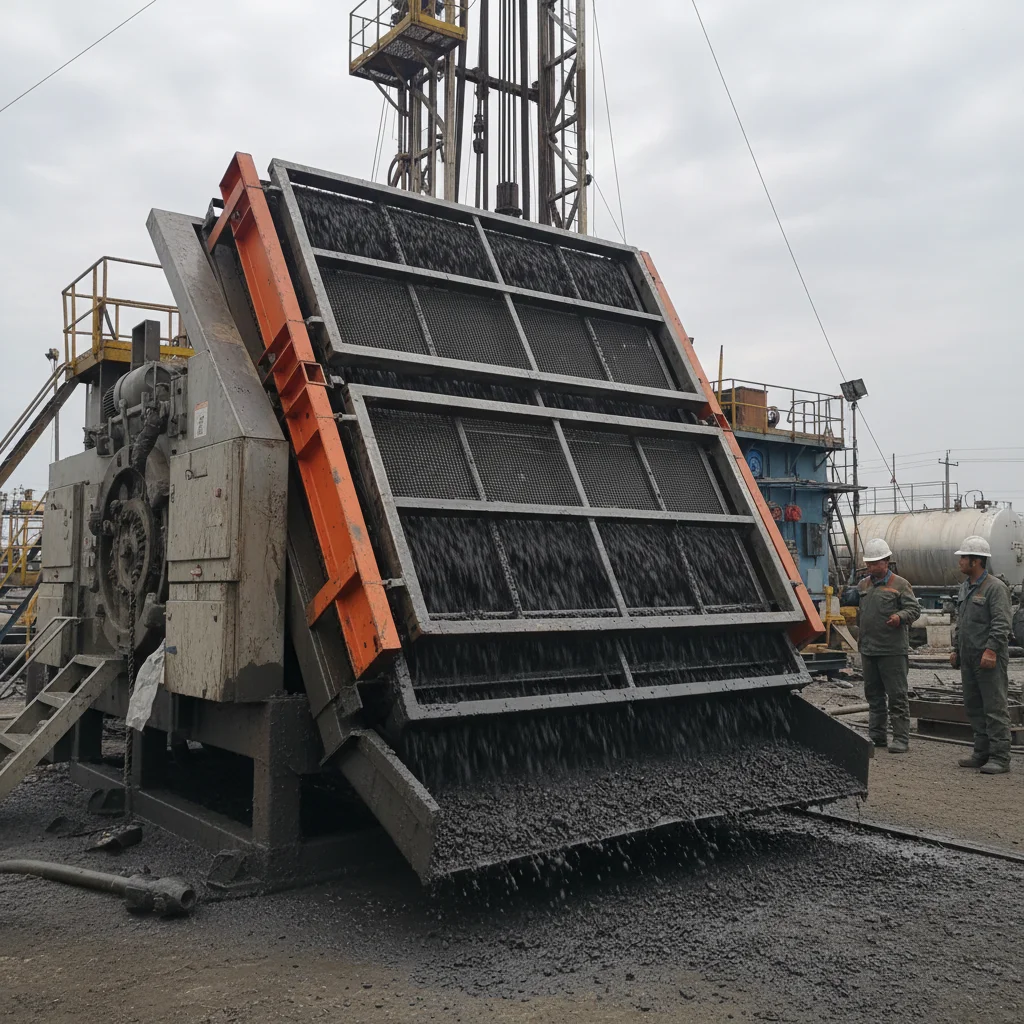
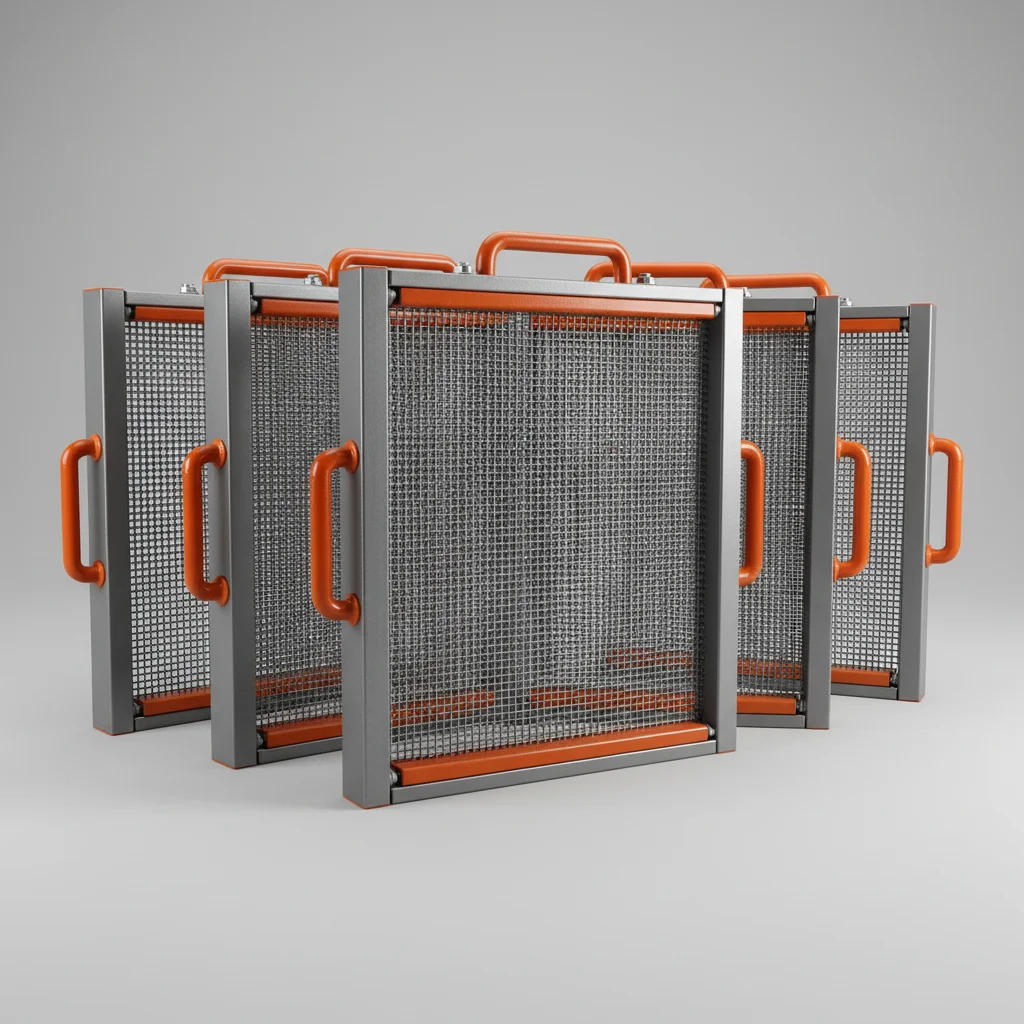
In the demanding environment of oil and gas drilling, the efficiency of solids control is paramount to maintaining drilling fluid properties and ensuring the longevity of downhole equipment. Among the critical components used to achieve this, 48-30 screens play a pivotal role by providing the precise filtration needed to remove drilled solids from the mud stream. By optimizing the separation process, these screens prevent the buildup of abrasive particles that can lead to costly non-productive time (NPT).
Globally, the adoption of high-performance 48-30 screens has become a standard for operators looking to balance flow rate with cut-point precision. Whether utilized in deepwater exploration or onshore shale plays, the ability of these screens to withstand high G-forces while maintaining structural integrity is what separates a productive rig from one plagued by equipment failure. Understanding the nuances of mesh design and material science is essential for any drilling engineer aiming for operational excellence.
The primary benefit of utilizing premium 48-30 screens lies in their ability to reduce mud dilution costs and minimize the environmental footprint of drilling waste. By maximizing the recovery of expensive base fluids and ensuring that only the finest solids remain in the system, operators can significantly lower their cost-per-foot. This guide explores the technical specifications, global applications, and future innovations surrounding these indispensable solids control components.
Global Industry Context of 48-30 Screens
The global drilling market is under constant pressure to increase efficiency while adhering to stricter ISO environmental standards. In this context, the use of 48-30 screens has evolved from a simple consumable to a strategic asset. As drilling depths increase, the volume of cuttings generated per hour rises, putting immense pressure on shale shaker systems to separate solids without causing "mud over the end" scenarios.
Industry data indicates that poor solids control can increase drilling costs by up to 15% due to excessive mud additives and equipment wear. By implementing optimized 48-30 screens, operators can maintain a tighter control over the mud weight and viscosity, which is critical for preventing wellbore instability and ensuring the safety of the entire drilling crew.
Technical Definition and Operational Role
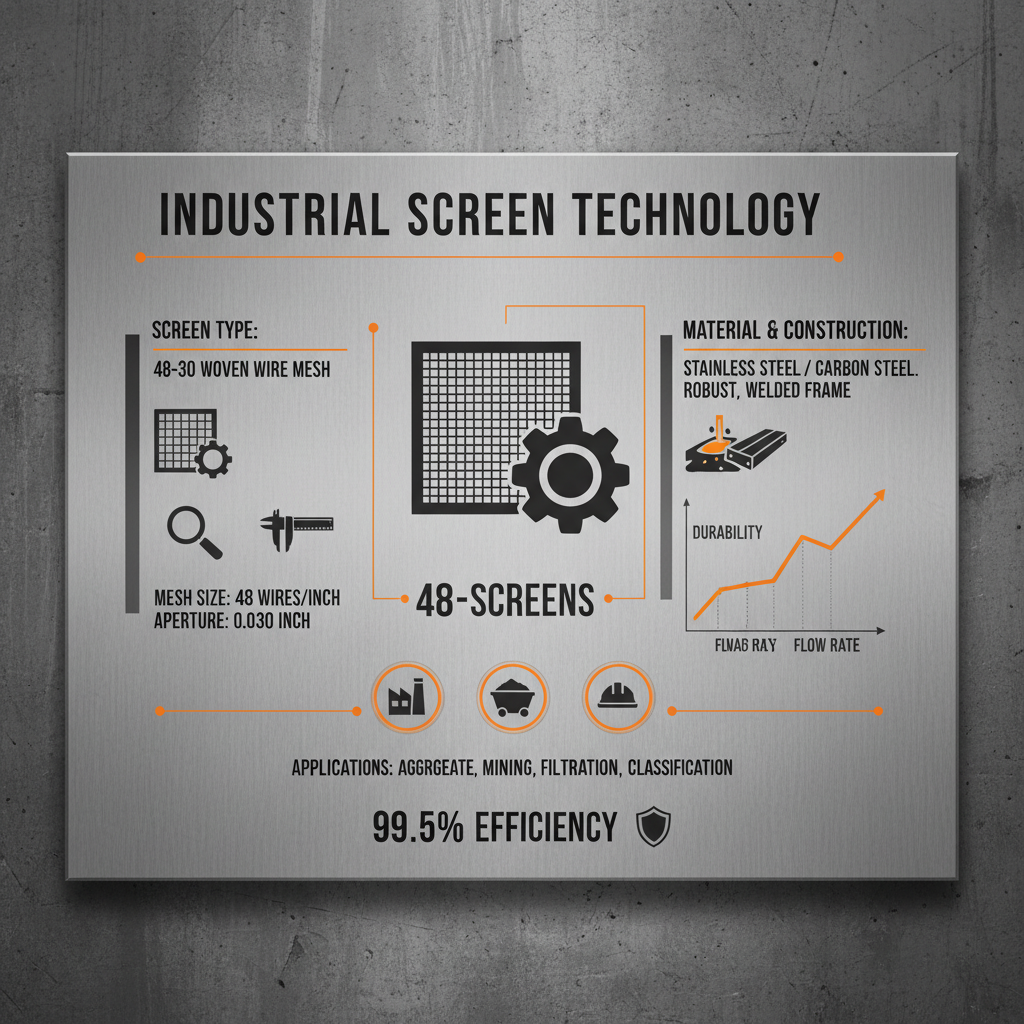
At its core, 48-30 screens refer to a specific mesh configuration designed for shale shakers, where the numbers typically denote the aperture size and the wire count per inch. These screens act as the primary mechanical barrier in the solids control sequence, utilizing linear or elliptical motion to convey cuttings away from the rig while allowing the processed drilling fluid to pass through.
The operational role of these screens is to achieve a specific "cut point," meaning they are engineered to remove particles above a certain micron size while retaining the liquid phase. When integrated into systems like Replacement Shale Shaker Screens For Swaco or FSI, these screens must maintain a perfect balance between permeability and separation efficiency to prevent fluid loss.
Modern 48-30 screens often employ a composite design, combining stainless steel wires with high-density polymers. This hybrid approach ensures that the screens can handle the abrasive nature of sandstone and shale cuttings without suffering from premature blinding or tearing, which would otherwise lead to costly downtime.
Core Components and Durability Factors
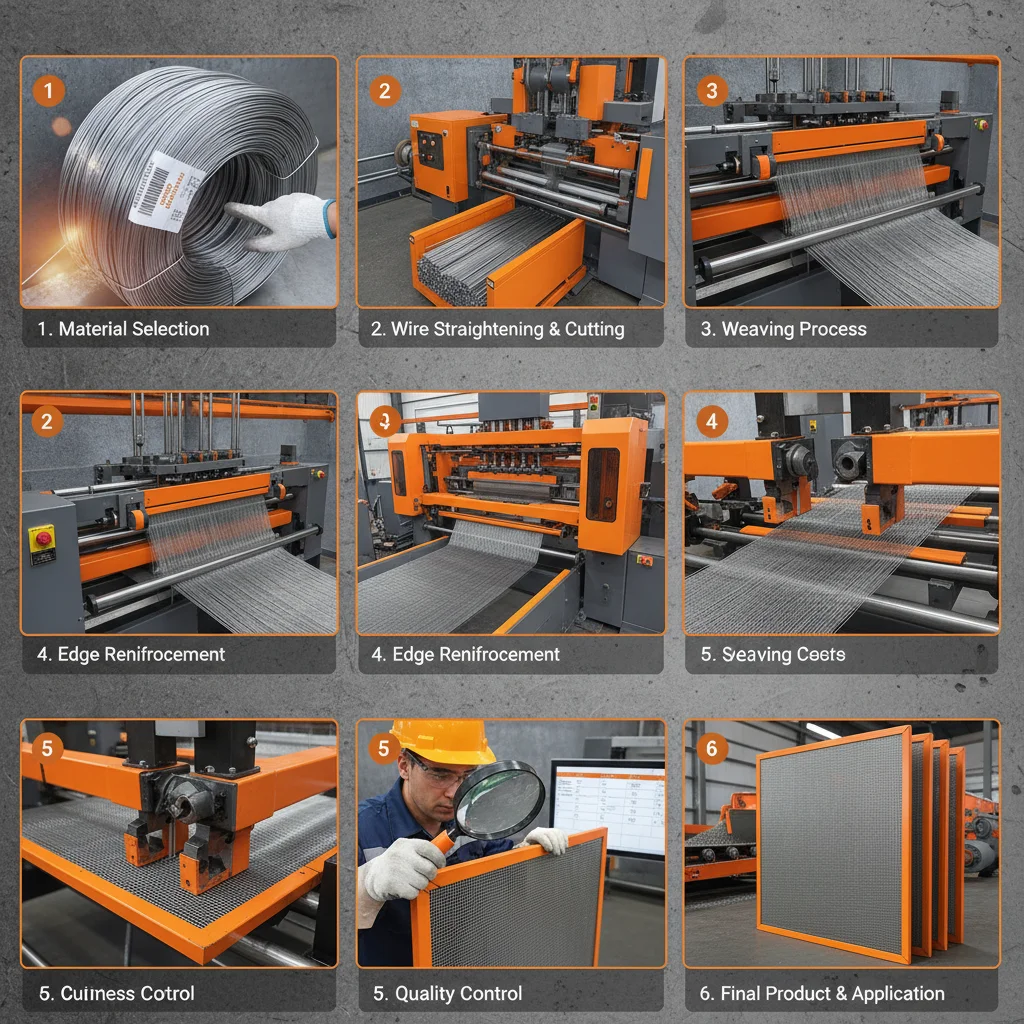
The durability of 48-30 screens is primarily determined by the quality of the weaving process and the grade of the materials used. High-tensile stainless steel is the industry standard, providing the necessary rigidity to resist the high-frequency vibrations of the shaker motor while preventing the wires from sagging under the weight of heavy mud.
A critical factor in the lifespan of 48-30 screens is the application of anti-blinding coatings. These specialized layers prevent fine particles from becoming lodged in the mesh apertures, a phenomenon known as "blinding," which drastically reduces the throughput capacity of the shale shaker and forces the operator to slow down the drilling process.
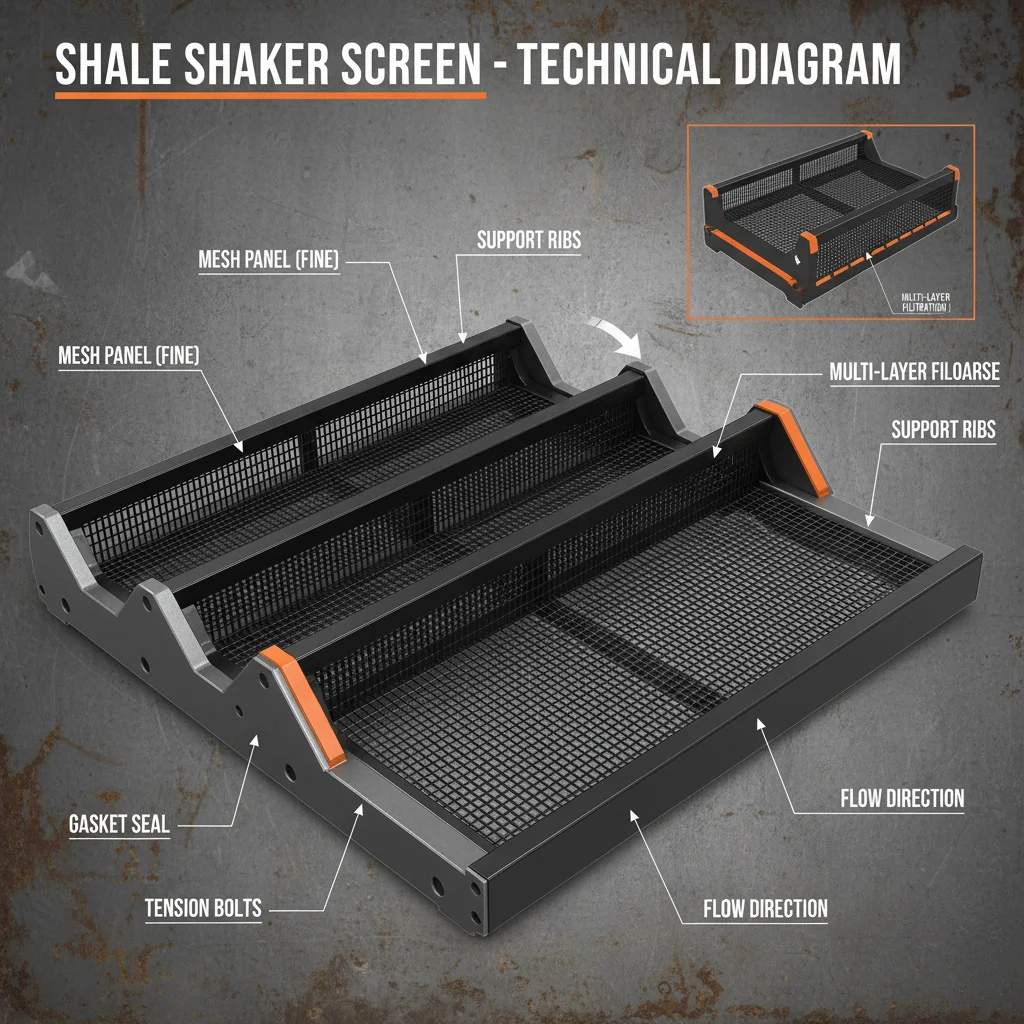
Furthermore, the framing and sealing edges of 48-30 screens must be precision-engineered to ensure a leak-proof fit. Whether they are designed as replacements for Brandt, Driock, or Kemtron systems, a secure seal prevents mud from bypassing the screen, ensuring that every drop of fluid is properly filtered before being pumped back into the wellbore.
Efficiency Analysis of 48-30 Screens
Measuring the efficiency of 48-30 screens involves analyzing the ratio of solids removed versus the volume of fluid lost. In high-pressure drilling environments, the ability of the screen to maintain a high flow rate without compromising the cut point is the ultimate benchmark of quality.
When comparing different manufacturing methods, it becomes clear that precision-woven meshes outperform traditional stamped screens in terms of longevity and consistency. The following data illustrates the relative performance ratings of various 48-30 screens configurations based on industry field tests.
Performance Comparison of 48-30 Screens Variations
Global Applications and Use Cases
The application of 48-30 screens spans across various geological terrains. In the Permian Basin of the USA, where shale drilling is dominant, these screens are used to handle high volumes of fine, sticky cuttings that would otherwise blind a coarser mesh. The resilience of the screen ensures that the mud remains thin enough for high-speed drilling.
In remote industrial zones such as the Arctic or deep-sea platforms in the North Sea, the reliability of 48-30 screens is a matter of operational safety. In these regions, replacing a screen is a logistically challenging task; therefore, the preference shifts toward ultra-durable, high-spec screens that can operate for extended intervals without degradation, ensuring uninterrupted production.
Long-Term Value and Economic Impact
Investing in high-quality 48-30 screens provides a tangible return on investment by extending the life of the entire mud system. When particles are effectively removed, the wear and tear on centrifugal pumps and mud motors are drastically reduced. This prevents the "cascade effect" of equipment failure, where one worn-out component puts undue stress on the rest of the system.
Beyond mechanical savings, there is a significant environmental and social value. By reducing the amount of waste mud that must be hauled away for disposal, operators lower their carbon footprint and comply with more stringent waste management laws. This commitment to sustainability enhances the reputation of the drilling company and builds trust with regulatory bodies.
Ultimately, the use of 48-30 screens is about risk mitigation. The logical choice to spend more on a premium screen is offset by the elimination of the risk of "stuck pipe" incidents caused by poor mud quality. The peace of mind that comes from knowing your solids control system is operating at peak efficiency is an intangible but vital asset for any project manager.
Future Trends in Screening Technology
The future of 48-30 screens is being shaped by the digital transformation of the oilfield. We are seeing the integration of IoT sensors into the shaker frame to monitor the pressure drop across the screen in real-time. This allow operators to predict exactly when a screen is blinded and needs replacement, moving from a reactive to a predictive maintenance model.
Material science is also advancing with the introduction of graphene-enhanced coatings and nano-composite wires. These innovations aim to make 48-30 screens virtually immune to corrosion and significantly more resistant to abrasion, potentially doubling the operational lifespan of the screens in the harshest environments.
As the industry moves toward "green drilling," there is a push for biodegradable screen frames and recyclable mesh materials. The goal is to create a closed-loop system where 48-30 screens can be returned to the manufacturer for refurbishing, further reducing the industry's impact on the planet.
Technical Specification and Performance Matrix of 48-30 Screens
|
Screen Grade
|
Durability Score (1-10)
|
Flow Rate Efficiency
|
Recommended Application
|
| Standard Steel |
6 |
Moderate |
Shallow Onshore Wells |
| Reinforced SS |
8 |
High |
Medium Depth Exploration |
| Poly-Composite |
7 |
Very High |
Sticky Shale Formations |
| Nano-Coated |
10 |
Maximum |
Deepwater / HPHT Wells |
| Hybrid Mesh |
9 |
High |
Variable Lithology Wells |
| Premium Graphene |
10 |
Ultra-High |
Extreme Abrasive Sands |
FAQS
The primary difference lies in the aperture size and the resulting cut point. 48-30 screens are specifically engineered to balance the removal of fine solids with the need for a high flow rate. While coarser screens allow more fluid to pass, they let more solids remain in the mud. Conversely, finer screens offer better filtration but are more prone to blinding. The 48-30 configuration is often the "sweet spot" for many medium-to-deep drilling operations.
While the mesh size (48-30) remains the same, the physical dimensions and mounting systems differ between brands. You must use specific replacement screens designed for the respective brand—such as Replacement Shale Shaker Screens for Swaco or Brandt—to ensure a proper seal. Using a screen with an incorrect frame can lead to mud leakage, which bypasses the filtration process and degrades the mud quality.
Indicators for replacement include a noticeable increase in the mud level on the shaker deck (mud over the end), a drop in the flow rate into the mud tanks, or visible tears in the mesh. Additionally, if you notice an increase in the concentration of fine solids in the active mud system despite the screens being in place, it likely means the mesh has been worn or "stretched," widening the apertures and compromising the cut point.
Yes, significantly. Anti-blinding coatings reduce the surface tension and adhesion between the mesh and the cuttings. This prevents "mud cake" from forming on the screen, which otherwise restricts flow and forces the shaker to work harder. By keeping the apertures open, the screen experiences less localized stress and wear, leading to a longer overall service life and fewer unplanned shutdowns.
It depends on the application. Full stainless steel screens offer superior rigidity and resistance to extreme heat and chemicals. However, composite screens—which blend steel with high-performance polymers—often provide better abrasion resistance and are less likely to blind in sticky shale formations. For most standard operations, a hybrid or composite approach offers the best balance of longevity and efficiency.
Maximize your ROI by implementing a strict screen management program. This includes using high-quality 48-30 screens that match your specific geology, monitoring the G-force settings of your shakers to avoid over-stressing the mesh, and training staff on proper installation techniques to prevent frame damage. Investing in premium replacements reduces the total cost of ownership by lowering mud dilution costs and equipment downtime.
Conclusion
In summary, 48-30 screens are far more than mere consumables; they are the frontline defense in maintaining mud integrity and protecting expensive drilling assets. From the precision of their mesh design to the durability of their composite materials, these screens directly influence the operational efficiency, cost-effectiveness, and environmental compliance of any drilling project. By choosing the right grade of screen and matching it to the specific demands of the geological formation, operators can significantly reduce non-productive time and optimize their drilling performance.
Looking forward, the integration of smart monitoring and advanced material science will continue to push the boundaries of what these screens can achieve. We encourage drilling engineers and procurement managers to move beyond the "lowest cost" mindset and instead focus on the total value provided by high-performance solids control solutions. Enhancing your solids control strategy today ensures a more sustainable, safe, and profitable operation tomorrow. Visit our website for more information: www.ftshaleshakerscreen.com