Indonesia’s Premier Shale Shaker Screen Solutions

Indonesia’s Premier Shale Shaker Screen Solutions

Indonesia's Premier Shale Shaker Screen Solutions

Optimizing Drilling Efficiency with High-Performance Solid Control Equipment for the Indonesian Oilfield Industry.

Current State of Drilling Fluid Vibrating Screen Technology in Indonesia

Understanding the challenges and opportunities for Drilling Fluid Vibrating Screen deployment in the Indonesian market.

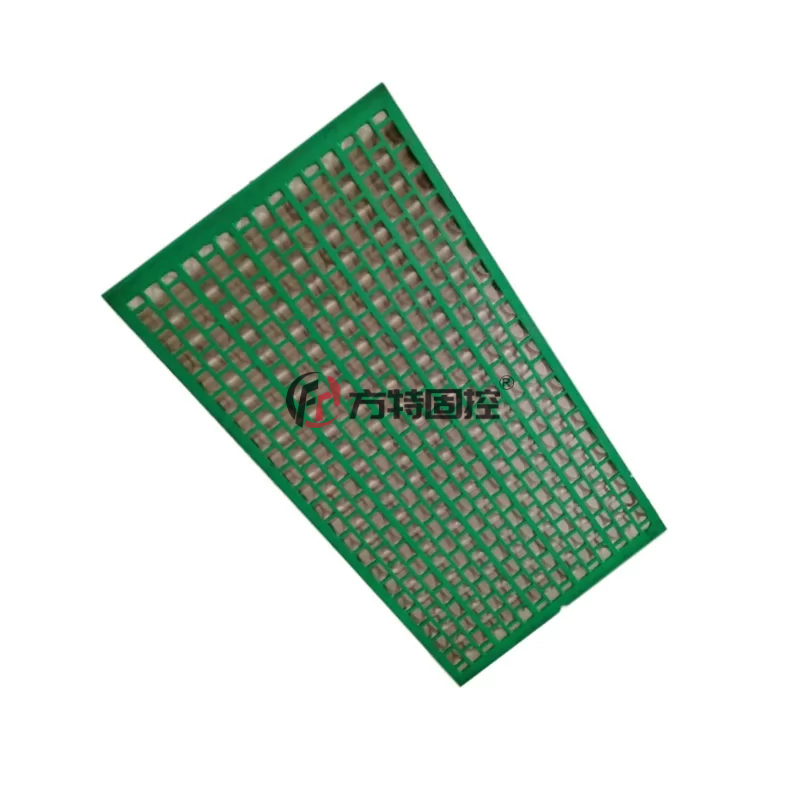
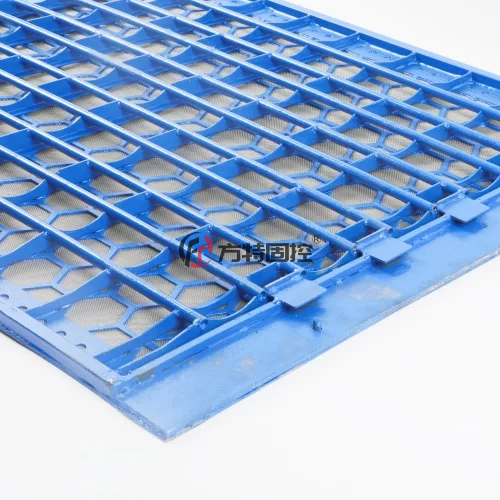
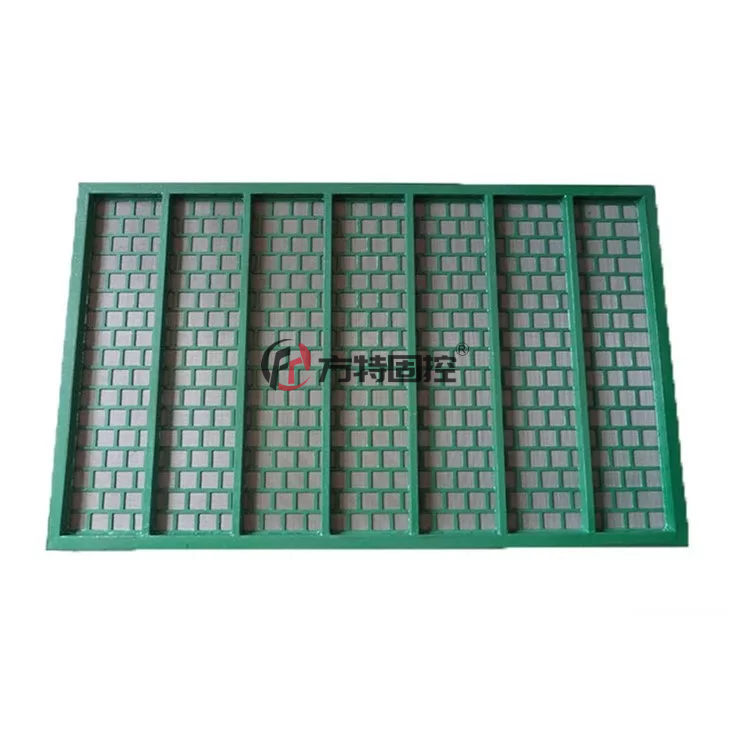
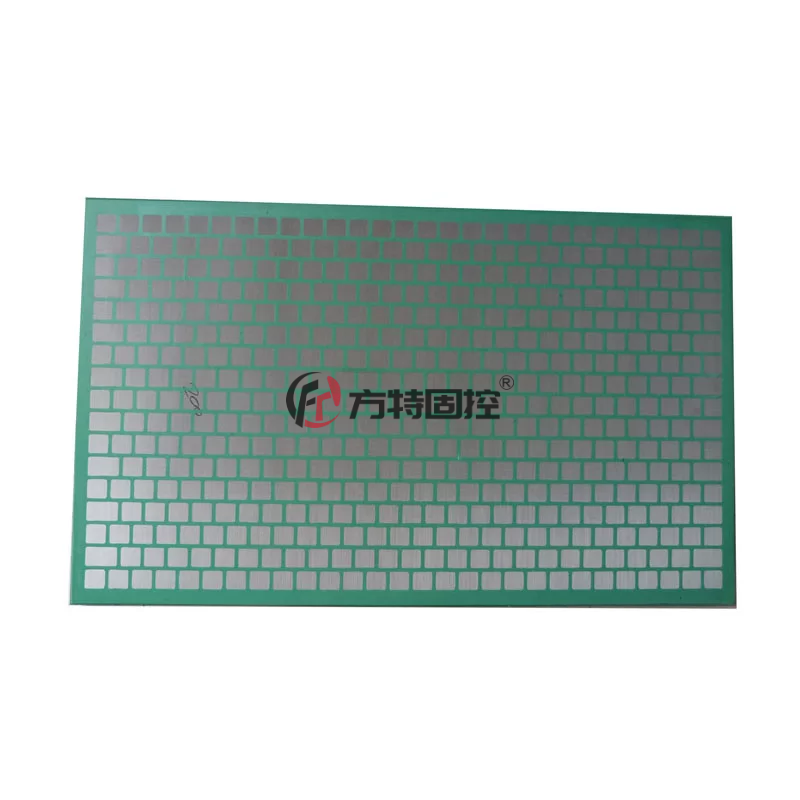
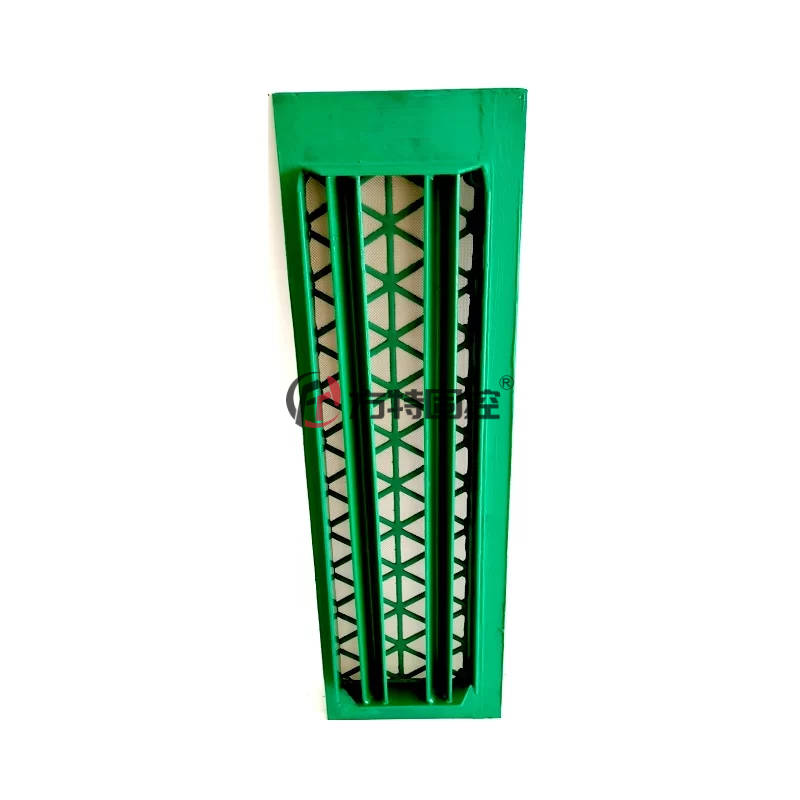
Indonesia's oil and gas sector is a significant contributor to the national economy, particularly in regions like Sumatra, Kalimantan, and Java. The demand for efficient solid control equipment, including Oilfield Shaker Screen, is directly correlated with drilling activity and the complexity of the geological formations encountered. The archipelago's diverse drilling environments – both onshore and offshore – present unique challenges regarding fluid management and solids removal.

The Indonesian market exhibits a growing awareness of the importance of advanced solid control technologies to minimize drilling costs, improve drilling rates, and reduce environmental impact. However, logistical complexities related to Indonesia's geography and regulatory hurdles sometimes lead to reliance on established but potentially less efficient solutions. A key challenge is ensuring the timely availability of Replacement Shaker Mesh and other critical components.

The increasing focus on Enhanced Oil Recovery (EOR) techniques and unconventional resource exploration (shale gas) in Indonesia is driving demand for more sophisticated Solid Control Screen Panel. Operators are seeking solutions that can handle higher solids loading and more abrasive fluids, while also adhering to increasingly stringent environmental regulations.
Evolution of Solid Control Technology in Indonesia

Tracing the technological advancements in solid control equipment used in Indonesian drilling operations.

Market Development History

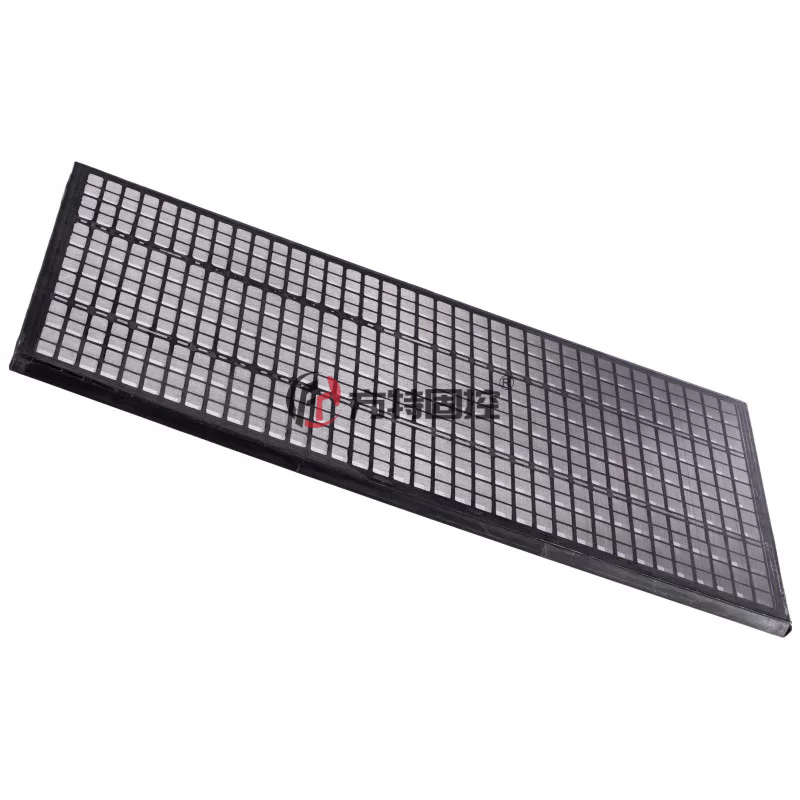
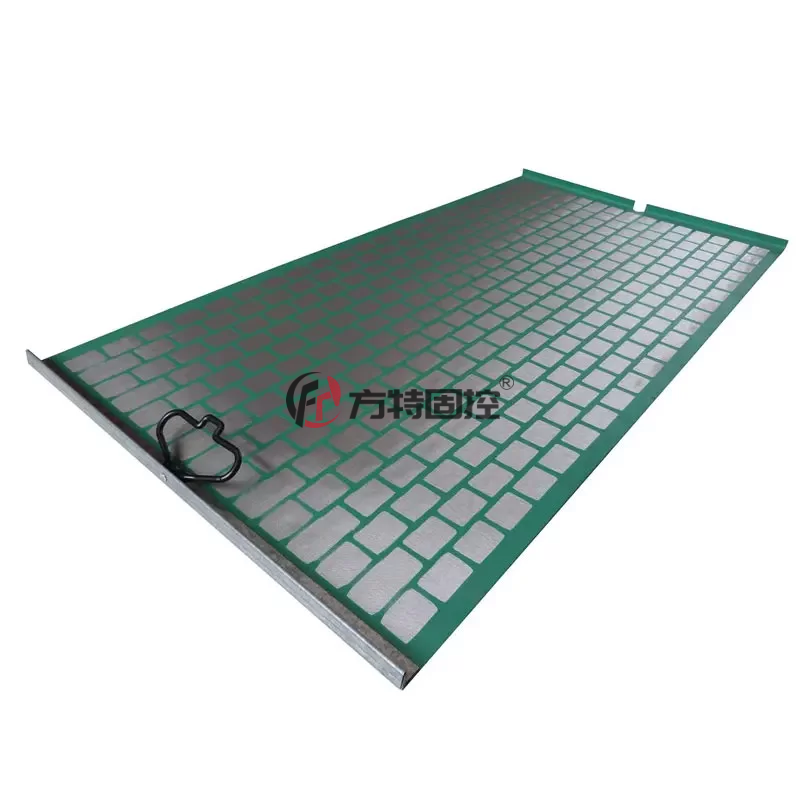
Historically, solid control in Indonesia primarily relied on rudimentary separation techniques, such as settling tanks and coarse screens. The 1980s and 90s saw the introduction of basic shale shakers, improving solids removal efficiency but still requiring significant manual intervention. Early Shale Shaker Screen materials were relatively short-lived and prone to failure.

The early 2000s witnessed a shift towards more sophisticated shale shaker technologies, including multi-frequency shakers and improved screen materials (e.g., stainless steel, composite materials). The advent of automated cleaning systems reduced downtime and maintenance costs. Increased offshore drilling activities demanded more robust and reliable Oilfield Shaker Screen.

From 2010 onwards, the Indonesian market has seen greater adoption of advanced solid control systems, including hydrocyclones, centrifuges, and vertical cuttings dryers. These systems offer superior solids removal efficiency and reduced fluid loss. Remote monitoring and data analytics are also becoming increasingly common, enabling proactive maintenance and optimization of solid control performance.

Future Development Trends

Increased Automation and Remote Monitoring

The trend towards greater automation will continue, with more sophisticated sensors and control systems being integrated into solid control equipment. Remote monitoring capabilities will allow operators to track performance in real-time and identify potential problems before they escalate.

Advanced Screen Materials and Designs

Research and development efforts will focus on developing new screen materials and designs that offer improved wear resistance, higher throughput, and more efficient solids separation. Nanotechnology may play a role in creating screens with tailored properties.

Integration with Drilling Optimization Software

Solid control systems will become more tightly integrated with drilling optimization software, allowing operators to optimize drilling parameters based on real-time data from the solid control equipment. This integration will lead to improved drilling performance and reduced costs.

Industry Trends and Future Outlook for Solid Control in Indonesia

Predicting the future direction of solid control technology in the Indonesian oilfield sector.

Predictive Maintenance Solutions
Leveraging data analytics and machine learning to predict component failures and optimize maintenance schedules for Solid Control Screen Panel.
Environmentally Friendly Solutions
Developing closed-loop drilling systems and reducing waste discharge to minimize environmental impact in Indonesian oilfields.
Enhanced Polymer Chemistry
Utilizing advanced polymers to improve solids separation efficiency and reduce fluid loss, specifically tailored for Indonesian drilling conditions.
Cost-Effective Solutions
Providing durable and reliable solid control equipment at competitive prices, catering to the diverse budgetary constraints of Indonesian operators.

Industry Outlook

The Indonesian solid control market is projected to grow steadily over the next 3-5 years, driven by increased drilling activity and the adoption of advanced technologies. Operators are expected to prioritize cost-effectiveness, environmental sustainability, and operational efficiency. The demand for Replacement Shaker Mesh will remain strong as operators focus on maximizing the lifespan of existing equipment.

Collaboration between local and international technology providers will be crucial to address the unique challenges of the Indonesian market. Training and skill development programs will also be essential to ensure the effective implementation and maintenance of advanced solid control systems.

Localized Applications of Solid Control Technology in Indonesia

Real-world examples of how solid control systems are deployed in Indonesian oilfield operations.

1. Sumatra Offshore Drilling

In the offshore fields of Sumatra, our high-capacity shale shakers and hydrocyclones are used to remove drill cuttings from drilling mud, ensuring optimal wellbore stability and minimizing environmental impact in the sensitive marine ecosystem.

2. Kalimantan Onshore Shale Gas Exploration

For shale gas exploration in Kalimantan, our compact and robust solid control systems are deployed to handle the high solids loading associated with unconventional drilling. The Oilfield Shaker Screen are specifically designed for abrasive shale formations.

3. Java Geothermal Drilling

In geothermal drilling operations in Java, our systems are used to separate solids from geothermal fluids, protecting downhole equipment and maximizing energy production. The high-temperature resistance of our screens is crucial in these environments.

4. East Indonesia Deepwater Projects

For deepwater drilling projects in East Indonesia, our advanced solid control solutions are integrated into closed-loop drilling systems, minimizing waste discharge and ensuring compliance with stringent environmental regulations. Efficient Drilling Fluid Vibrating Screen is vital.
Brand Story

The Global Journey of Hebei Fortum Technology Co., Ltd.

Foundation and Commitment to Quality

Established in 2008, Hebei Fortum Technology Co., Ltd. began with a vision to deliver superior solid control solutions to the global oil and gas industry. From the outset, we prioritized quality, innovation, and customer satisfaction.

Technological Advancements

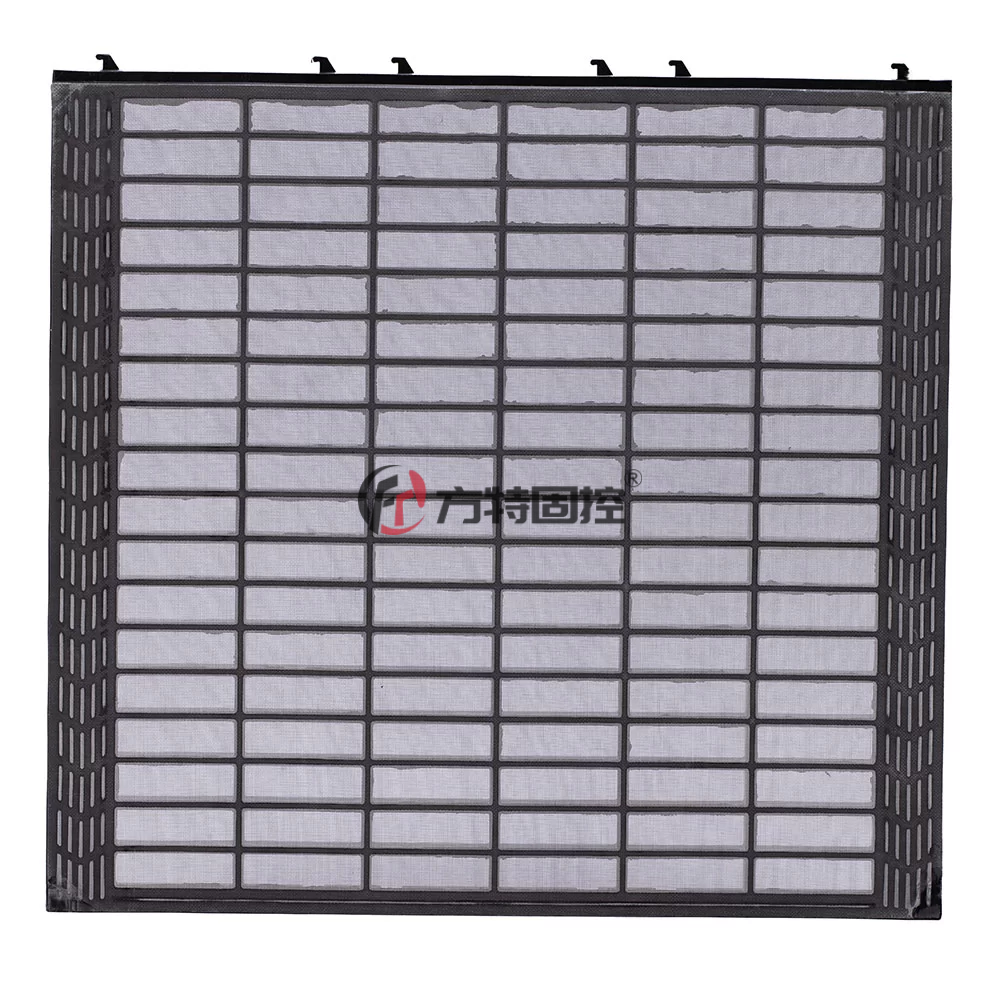
Through continuous investment in research and development, we have consistently introduced cutting-edge technologies, including advanced Shale Shaker Screen designs and improved solid control systems.

Global Expansion

We have expanded our reach globally, serving clients in key oil and gas regions around the world, including a growing presence in Asia, particularly Indonesia.

Customer-Centric Approach

We are committed to providing customized solutions that meet the specific needs of our clients, backed by exceptional customer support and technical expertise.

Mission: Delivering Efficiency and Sustainability

Our mission is to empower oil and gas operators with innovative and reliable solid control technologies that enhance drilling efficiency, reduce costs, and minimize environmental impact.

Frequently Asked Questions: Solid Control in Indonesia

Addressing common inquiries about solid control technology in the Indonesian oilfield sector.

What is the optimal shaker screen mesh size for drilling in Indonesia’s varied geological formations?

The optimal mesh size depends on the specific formation and drilling fluid properties. Generally, a combination of mesh sizes (e.g., 80, 100, 120) is used to achieve efficient solids removal without excessive fluid loss. We recommend consulting with our technical experts to determine the best screen configuration for your specific application.

How do your shale shaker screens perform in Indonesia’s high-temperature environments?

Our shale shaker screens are manufactured using high-quality materials that are designed to withstand high temperatures and abrasive conditions. We offer screens specifically engineered for high-temperature applications, ensuring long-lasting performance and reliability.

What is the typical lead time for delivering replacement shaker mesh to locations within Indonesia?

We maintain a strategic inventory of popular Replacement Shaker Mesh sizes to ensure prompt delivery. Typical lead times range from 3-7 days for in-stock items, depending on the destination within Indonesia.

How does your solid control equipment help minimize environmental impact in Indonesian drilling operations?

Our equipment is designed to maximize solids removal efficiency, reducing the amount of waste discharged into the environment. We also offer closed-loop drilling systems that minimize fluid loss and prevent contamination of surrounding ecosystems.

Do you offer on-site technical support and training for your solid control equipment in Indonesia?

Yes, we provide comprehensive on-site technical support and training services to ensure the proper installation, operation, and maintenance of our equipment. Our experienced engineers are available to assist with troubleshooting and optimization.

What are the key benefits of using a vertical cuttings dryer in Indonesian oilfield applications?

Vertical cuttings dryers offer significant advantages, including reduced waste disposal costs, improved drilling fluid quality, and enhanced environmental compliance. They are particularly effective in handling high solids loading and minimizing fluid loss in challenging Indonesian drilling environments.

Get in Touch with Our Experts

Optimize your drilling operations in Indonesia with our cutting-edge solid control solutions. Contact us today to learn more.

Contact Us Now
DISCLAIMER
Hebei Fangte is NOT affiliated with,authorized by,or endorsed by Derrick®,Brandt®,SWACO®,Kemtron®,Scomi®,FSI®,or Driock®.All trademarks remain the property of their respective owners.OEM brand names and part numbers are used for reference purposes only to indicate compatibility.All products offered are replacement parts manufactured by Fangte.

If you are interested in our products, you can choose to leave your information here, and we will be in touch with you shortly.


If you are interested in our products, you can choose to leave your information here, and we will be in touch with you shortly.