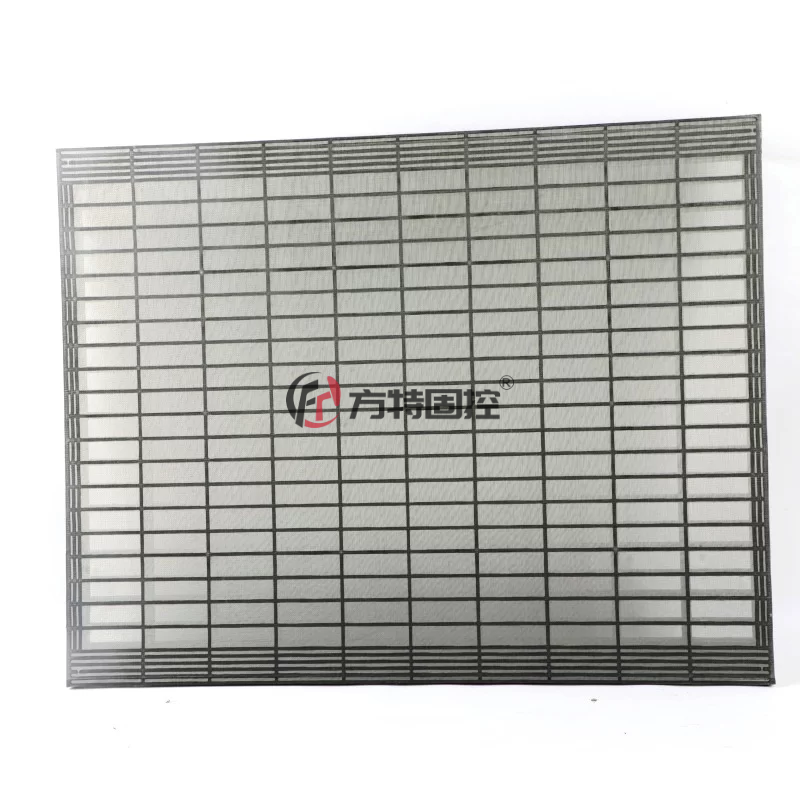
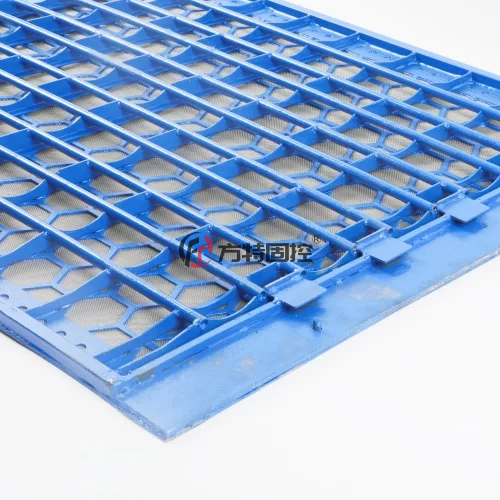
Optimized Shale Shaker Screen Solutions for US Oilfields

Optimized Shale Shaker Screen Solutions for US Oilfields

Optimized Shale Shaker Screen Solutions for US Oilfields

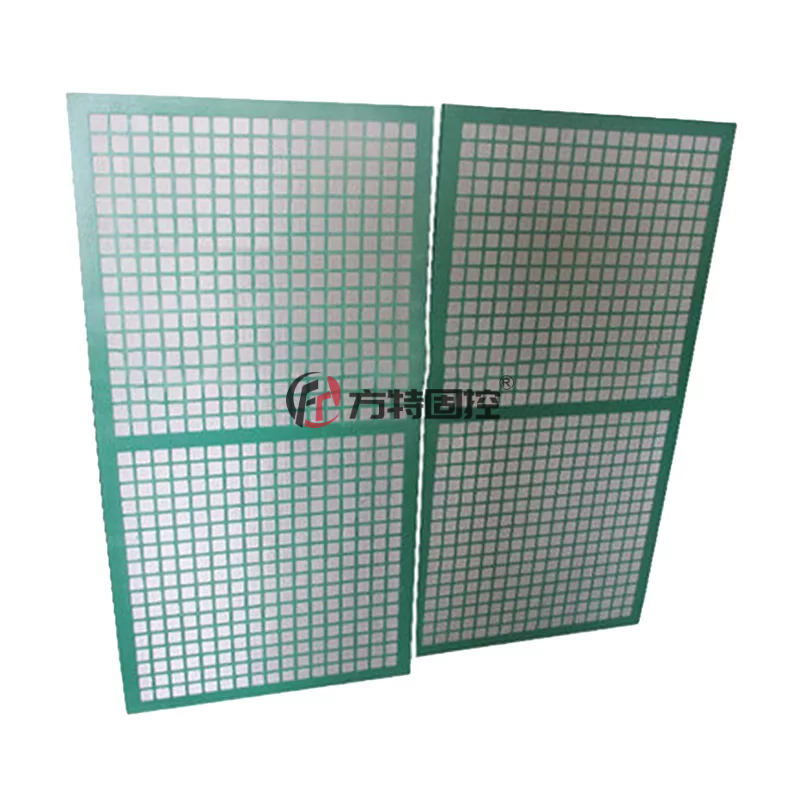
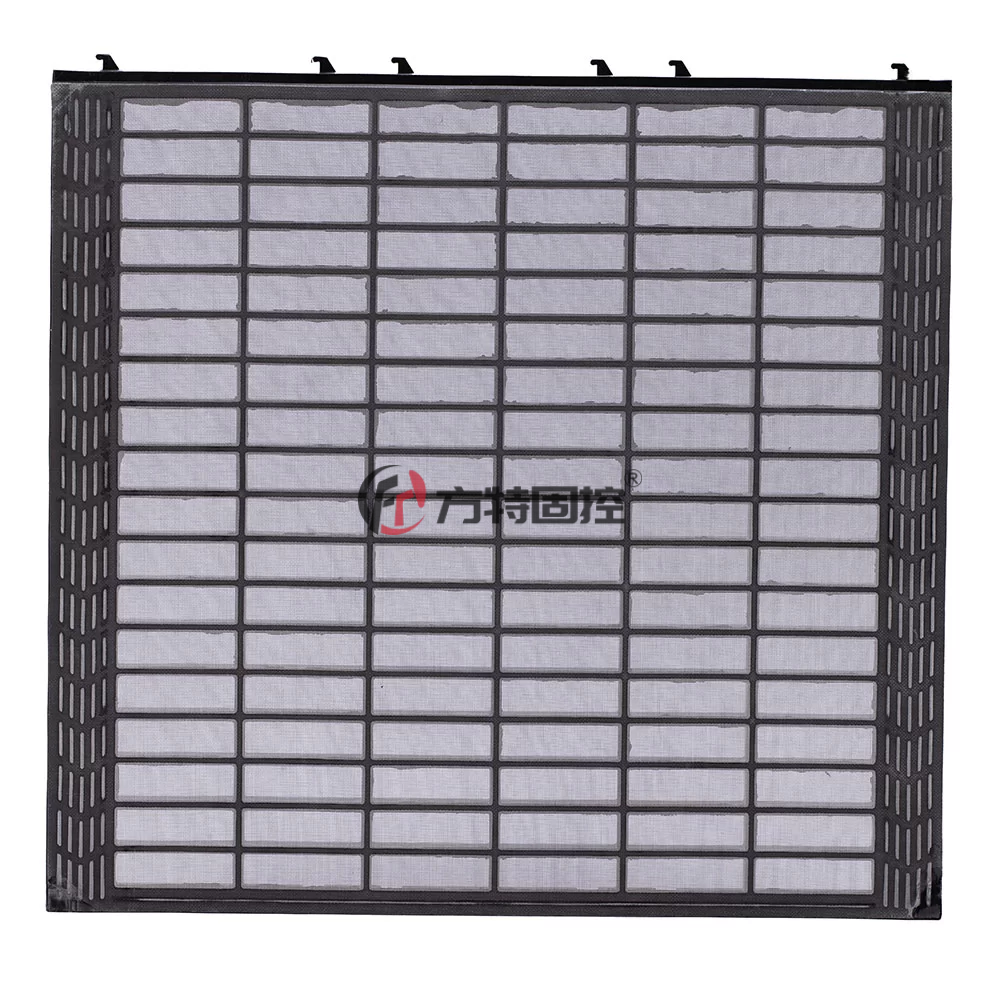
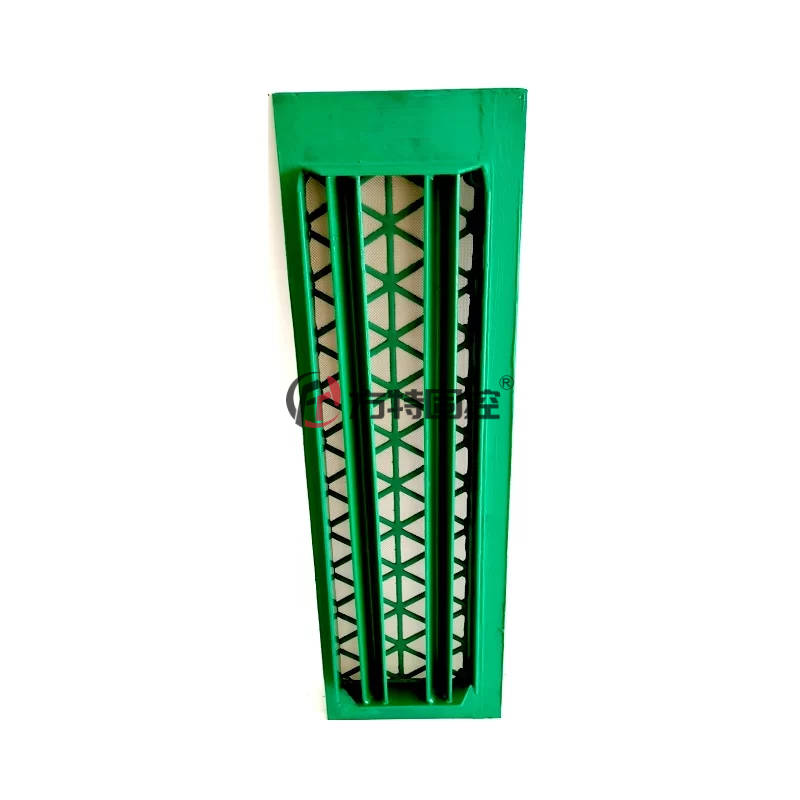
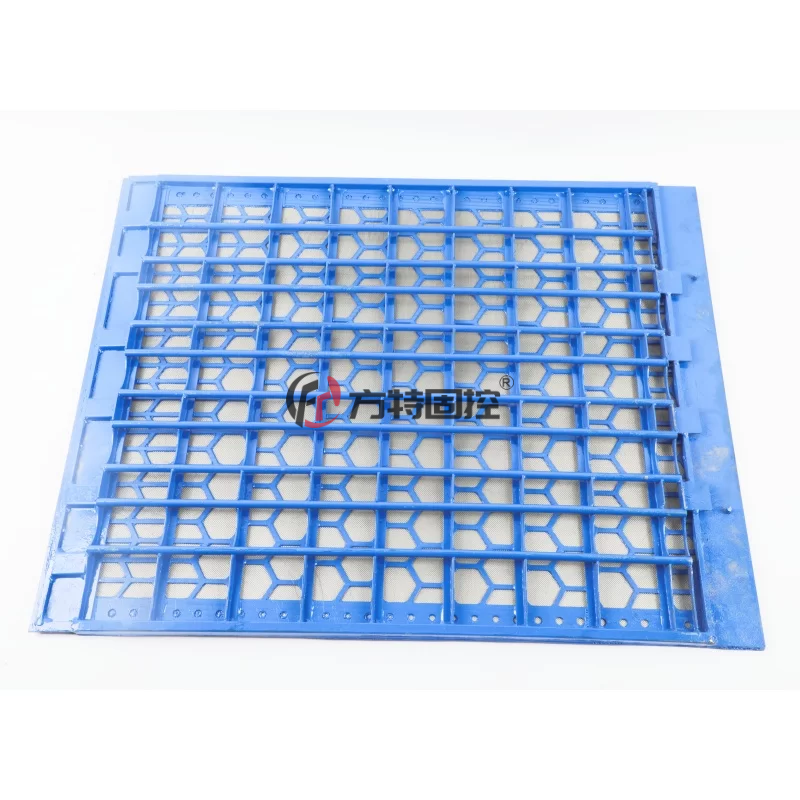
Enhancing Drilling Efficiency with Premium Oilfield Shaker Screen Technology in North America.

Current Status of Drilling Fluid Vibrating Screen Market in the United States

Analyzing the current landscape and challenges for Drilling Fluid Vibrating Screen manufacturers in the US oil and gas sector.

The United States oil and gas industry, particularly the shale plays in regions like Texas, North Dakota, and Pennsylvania, demands robust and reliable solids control equipment. Demand for Solid Control Screen Panel is directly linked to drilling activity and the complexity of shale formations. The current market is characterized by a need for high-throughput screens capable of handling abrasive shale cuttings.

Geographically, the concentration of drilling operations dictates regional demand. The Permian Basin in West Texas experiences the highest demand, followed by the Bakken Shale in North Dakota and the Marcellus Shale in the Appalachian Basin. Logistical challenges, including transportation costs and delivery times, are significant considerations for suppliers.

Economic factors, such as fluctuating oil prices and regulatory changes, heavily influence investment in drilling and, consequently, in solids control equipment. The US shale industry's resilience and adaptation to market volatility are key factors shaping the Replacement Shaker Mesh market.
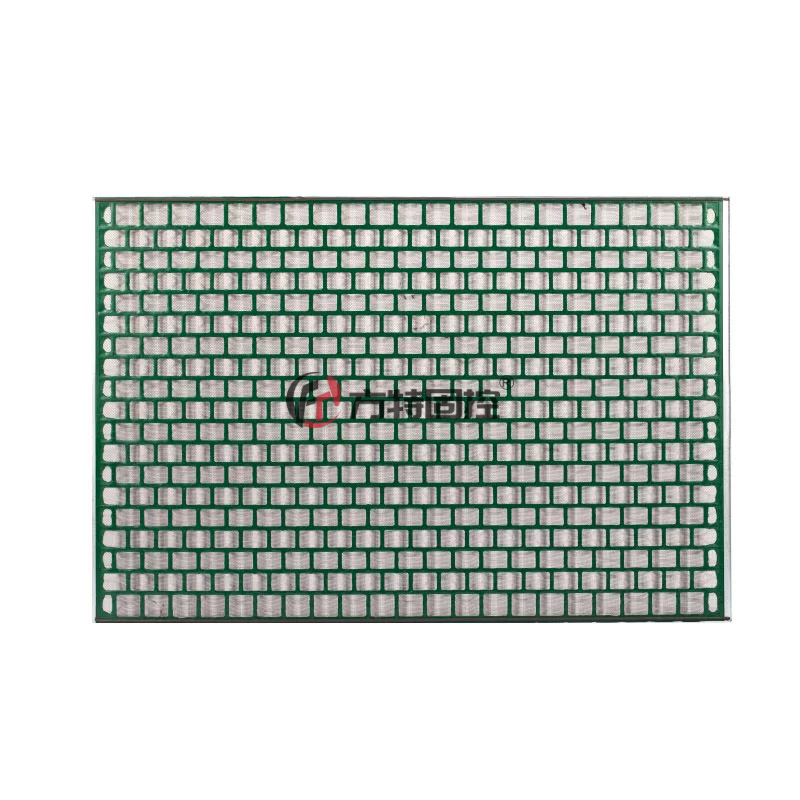
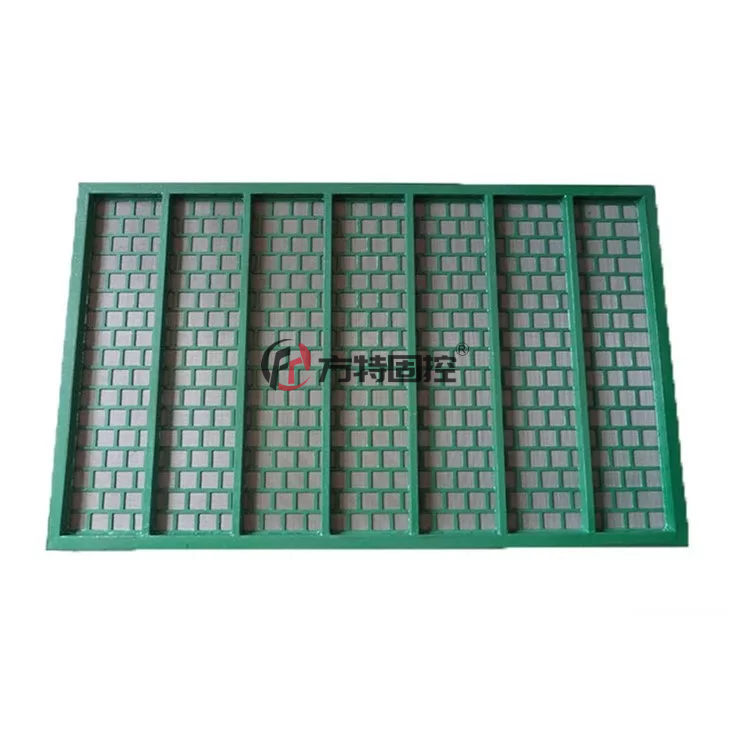
Evolution of Solid Control Technology in the US Oilfield

Tracing the historical development and advancements in Oilfield Shaker Screen technology for US drilling operations.

Market Development History

Early solids control relied on basic shaker screens with limited separation efficiency. The 1970s and 80s saw the introduction of more robust screen materials and designs. The advent of horizontal drilling in the 2000s significantly increased the demand for more effective solids control solutions.

The shale revolution fueled rapid innovation. Manufacturers began developing screens with finer mesh sizes and improved wear resistance to handle the increased volumes of shale cuttings. Composite materials and advanced manufacturing techniques emerged to enhance screen performance and lifespan.

Recent advancements include the integration of automated screen monitoring systems and the development of screens specifically designed for high-G forces encountered in modern drilling applications. The focus is on maximizing drilling efficiency, reducing waste, and minimizing environmental impact.

Future Development Trends

Smart Screens & Predictive Maintenance

The integration of sensors and data analytics into Shale Shaker Screen will enable real-time monitoring of screen condition, predicting failures, and optimizing replacement schedules. Google Trends data shows increasing searches for “drilling equipment monitoring” indicating growing industry interest.

Advanced Material Science

Research into new composite materials and coatings will result in screens with enhanced wear resistance, improved separation efficiency, and longer service life. Polymer blends and nanotechnology will play a key role.

Automated Screen Changing Systems

Automated systems will reduce downtime and improve safety by eliminating the need for manual screen changes. Robotics and automation are becoming increasingly prevalent in oilfield operations.

Industry Trends & Future Outlook for Solids Control in US Drilling

Exploring the evolving landscape and potential opportunities for Shale Shaker Screen manufacturers in the North American market.

Increased Demand for High-Performance Screens
The growing complexity of shale formations requires screens capable of efficiently removing finer solids, driving demand for advanced screen technologies.
Focus on Screen Durability & Lifespan
Operators are seeking screens that withstand abrasive conditions and reduce the frequency of replacements, lowering overall costs.
Growing Adoption of Automation
Automated screen changing systems are gaining traction, improving efficiency and reducing labor costs.
Data-Driven Optimization
Real-time data analysis of screen performance will become increasingly important for optimizing solids control processes.

Industry Outlook

The US oil and gas industry is expected to continue to invest in advanced solids control technologies to improve drilling efficiency, reduce costs, and minimize environmental impact. The demand for high-performance Replacement Shaker Mesh will remain strong.

Manufacturers that can offer innovative solutions, such as smart screens, durable materials, and automated systems, will be well-positioned to succeed in this competitive market. Adaptability and responsiveness to changing industry needs will be crucial.

Localized Application Scenarios in the US Oilfield

Illustrating practical applications of our Shale Shaker Screen technology in diverse US drilling environments.

1. Permian Basin, Texas - High Volume Shale Removal

In the high-volume drilling operations of the Permian Basin, our screens are utilized to efficiently remove large quantities of shale cuttings, minimizing rig downtime and optimizing drilling fluid circulation.

2. Bakken Shale, North Dakota - Cold Weather Performance

Our screens are engineered to withstand the harsh winter conditions of the Bakken Shale, maintaining consistent performance and preventing screen damage in sub-zero temperatures.

3. Marcellus Shale, Pennsylvania - Fine Solids Separation

The Marcellus Shale requires effective separation of fine solids to prevent formation damage. Our screens provide superior filtration, ensuring wellbore stability and maximizing production.

4. Eagle Ford Shale, Texas - Abrasive Shale Handling

The Eagle Ford Shale is characterized by highly abrasive shale formations. Our screens are constructed with durable materials to resist wear and tear, extending screen lifespan.

5. Oklahoma - Enhanced Oil Recovery (EOR) Applications

Our screen technologies support EOR projects in Oklahoma by optimizing fluid clarity and preventing plugging of injection wells, ensuring efficient reservoir stimulation.

Brand Story

The global development journey of Hebei Fortune Petrochemical Machinery Manufacturing Co., Ltd.

Commitment to Innovation

Founded on a commitment to engineering excellence, we consistently invest in research and development to deliver cutting-edge solids control solutions.

Quality Manufacturing

We employ rigorous quality control processes throughout the manufacturing process, ensuring every Shale Shaker Screen meets the highest industry standards.

Customer-Centric Approach

We prioritize customer satisfaction, offering tailored solutions and responsive support to address specific drilling challenges.

Global Reach & Local Expertise

With a global distribution network and local expertise, we provide timely and reliable service to oilfields worldwide.

Sustainable Solutions

We are committed to developing environmentally responsible solutions that minimize waste and promote sustainable drilling practices.

Complete Product Portfolio for US Drilling

Explore our extensive range of solids control equipment designed to meet the demands of the North American oil and gas industry.

Frequently Asked Questions – US Oilfield Drilling

Addressing common inquiries regarding Shale Shaker Screen performance and selection in the United States.

What is the optimal mesh size for shale shaker screens in the Permian Basin?

The optimal mesh size depends on the shale composition and drilling fluid properties, but generally, 80-120 mesh screens are commonly used in the Permian Basin for efficient solids removal.

How often should shale shaker screens be replaced in high-angle drilling operations?

In high-angle drilling, screen wear is accelerated due to increased G-forces. Screen replacement intervals should be determined by regular inspection and monitoring of screen performance, typically every 24-48 hours.

What are the key differences between composite and stainless steel shale shaker screens?

Composite screens offer better resistance to corrosion and abrasion, while stainless steel screens provide higher tensile strength and temperature resistance. The choice depends on the specific drilling environment.

How does screen aperture affect drilling fluid loss?

Smaller apertures provide finer filtration, reducing fluid loss, but can also lead to increased differential sticking. A balanced aperture size is crucial for optimal performance.

What are the benefits of using pre-tensioned shale shaker screens?

Pre-tensioned screens maintain consistent tension even after wear, resulting in more efficient separation and a longer screen lifespan.

What are the latest innovations in shaker screen material technology?

Current innovations include the use of advanced polymer blends, incorporating nanoparticles for enhanced abrasion resistance, and developing self-cleaning screen coatings to minimize plugging.

Get in Touch with Our Experts

Contact us today for expert advice and tailored Shale Shaker Screen solutions for your North America – United States drilling operations.

Contact Us Now
DISCLAIMER
Hebei Fangte is NOT affiliated with,authorized by,or endorsed by Derrick®,Brandt®,SWACO®,Kemtron®,Scomi®,FSI®,or Driock®.All trademarks remain the property of their respective owners.OEM brand names and part numbers are used for reference purposes only to indicate compatibility.All products offered are replacement parts manufactured by Fangte.

If you are interested in our products, you can choose to leave your information here, and we will be in touch with you shortly.


If you are interested in our products, you can choose to leave your information here, and we will be in touch with you shortly.