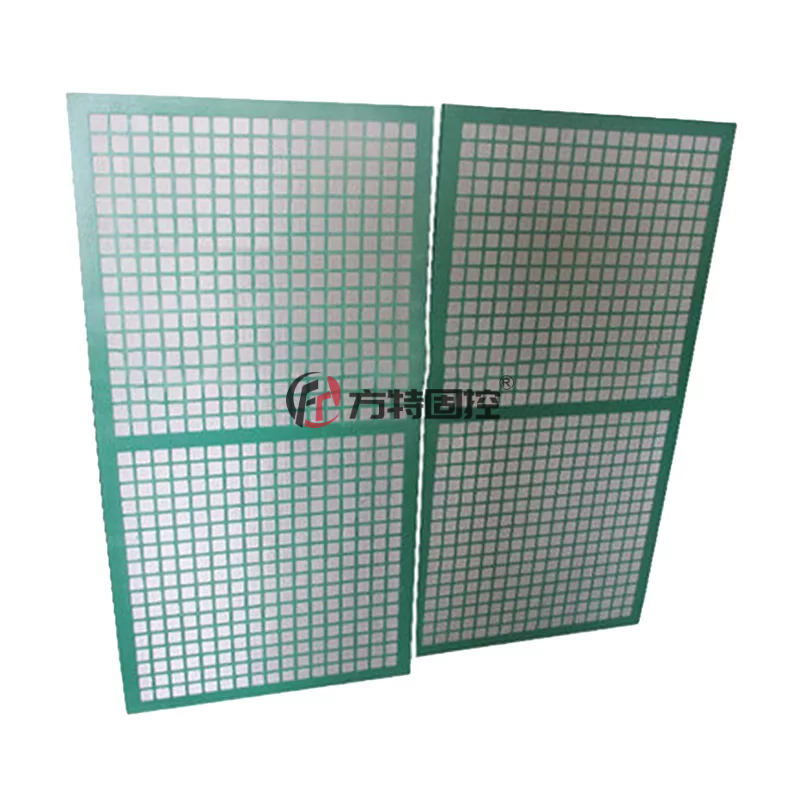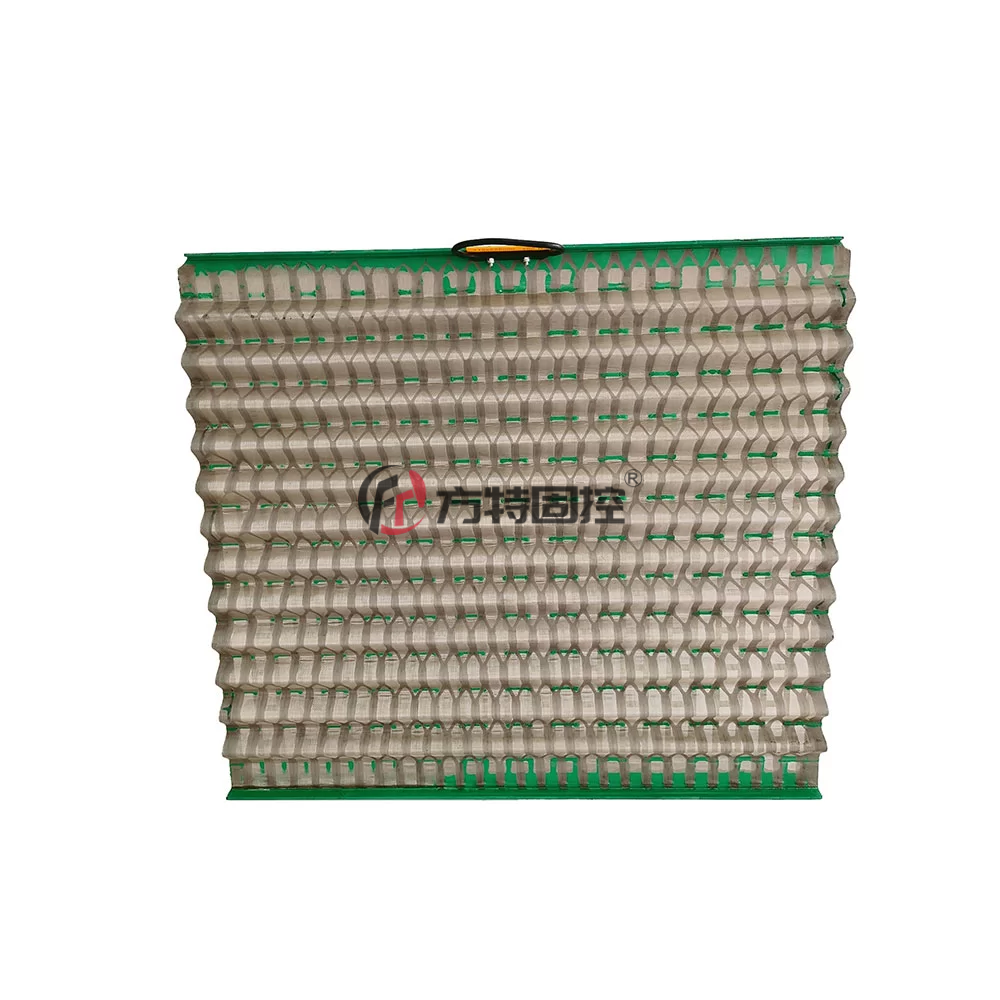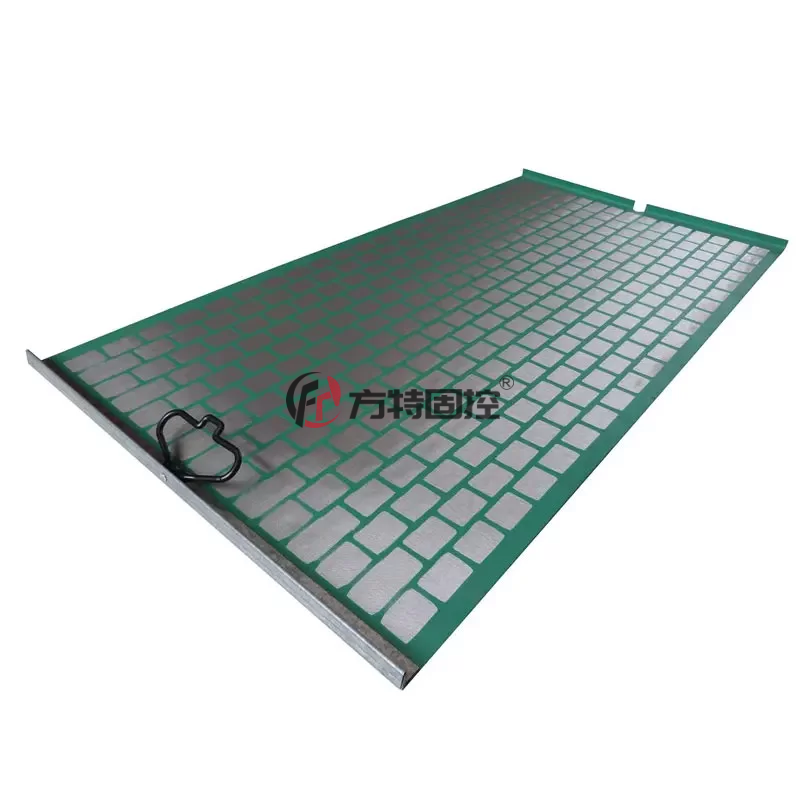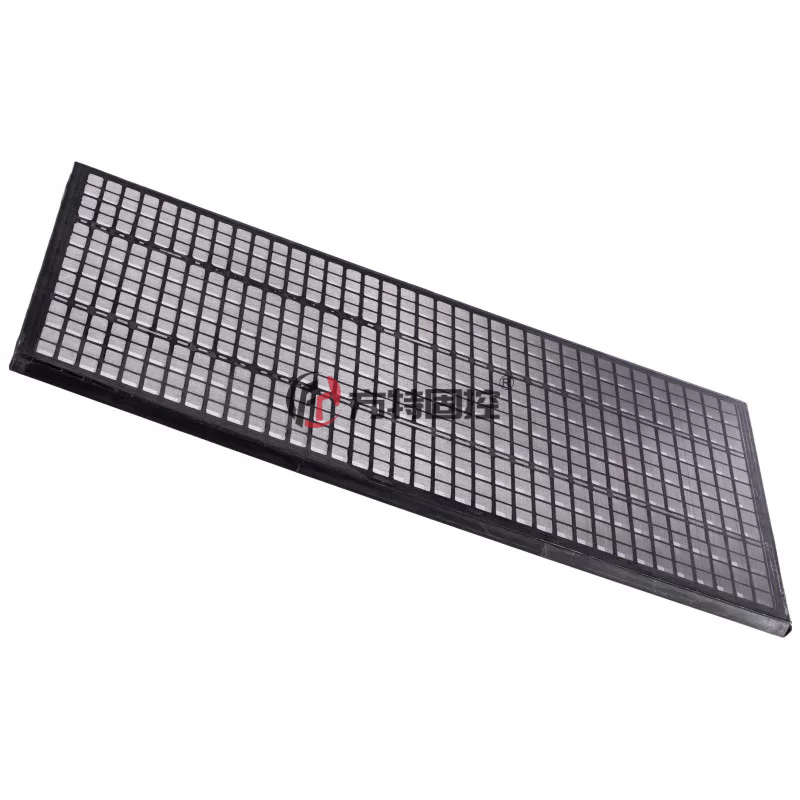
The shale shaker screen is one of the most essential elements in the oil and gas drilling solids control system. Although it may appear to be a simple mechanical product, its performance has a direct and significant impact on drilling efficiency, fluid quality, operational cost, and environmental compliance. As the first line of defense in solids control, the shale shaker screen determines how effectively drilled cuttings are separated from drilling fluids before further processing. With continuous advancements in drilling technology and increasing operational complexity, shale shaker screens have evolved into highly engineered products designed to meet demanding field conditions.
Function and Importance of Shale Shaker Screens
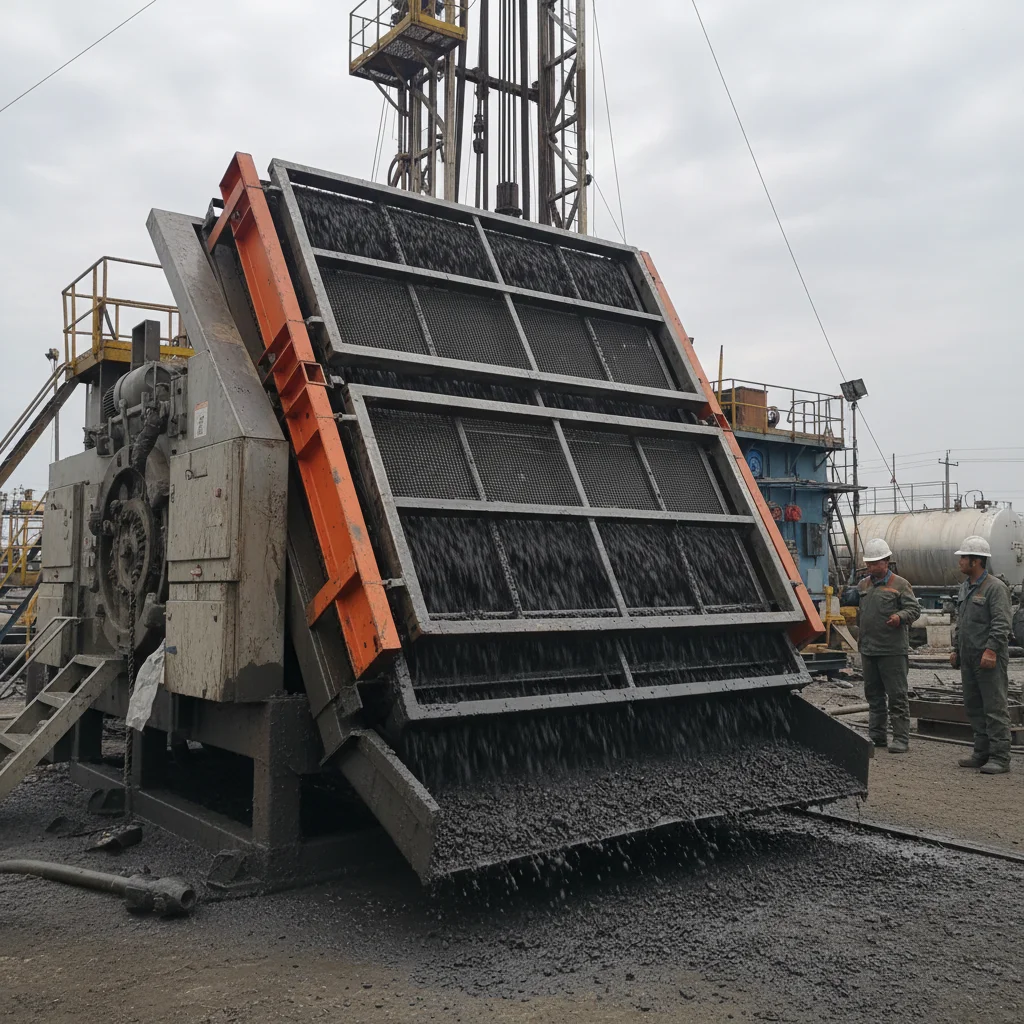
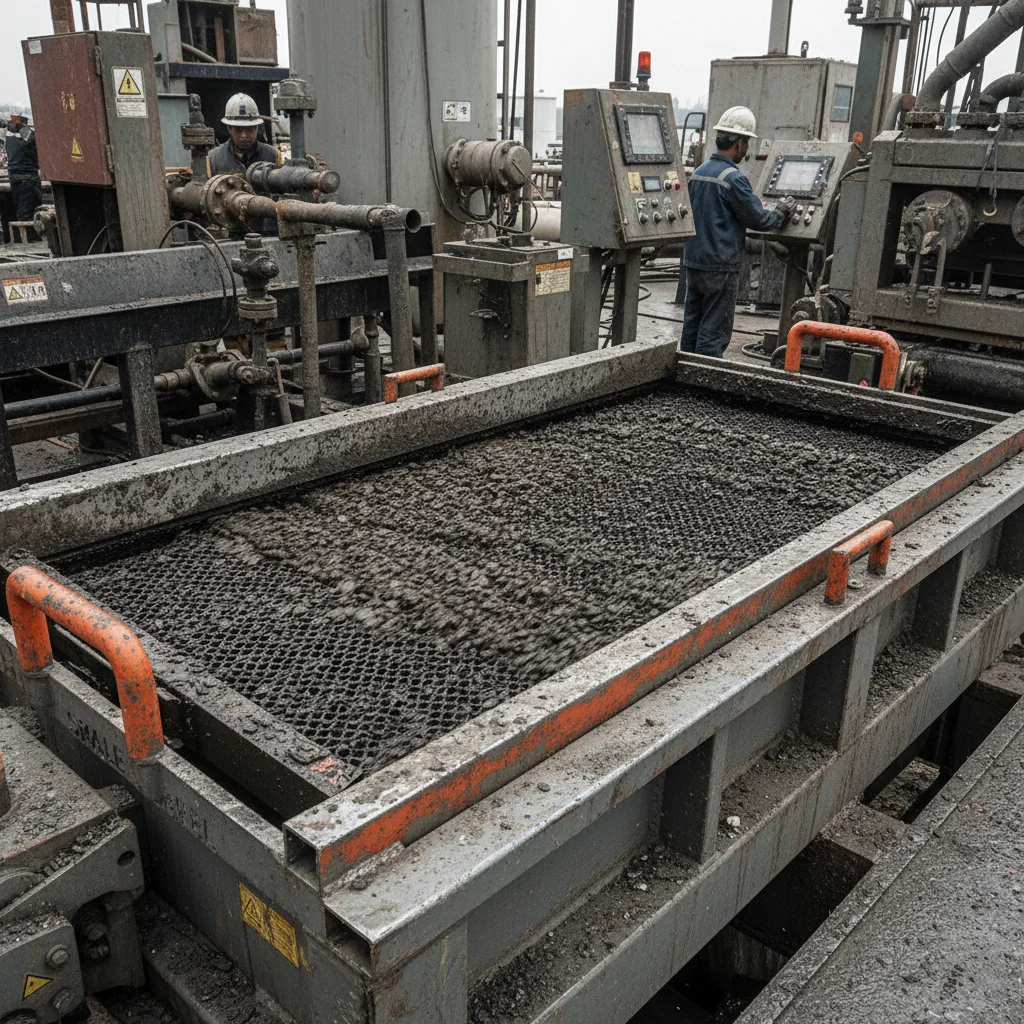
In drilling operations, drilling fluid (also known as drilling mud) is circulated continuously to cool the drill bit, stabilize the wellbore, and transport rock cuttings to the surface. Once the fluid returns from the wellbore, it carries a large amount of drilled solids. The shale shaker screen is installed on the shale shaker, which vibrates at high speed to separate these solids from the fluid.
As the first stage of the solids control system, the shale shaker screen plays a decisive role. If large or excessive solids are not effectively removed at this stage, they will pass into downstream equipment such as desanders, desilters, and centrifuges. This not only reduces the efficiency of those units but also accelerates equipment wear, increases maintenance costs, and degrades drilling fluid properties. Therefore, the performance of the shale shaker screen directly affects the entire solids control process.
Efficient screening improves drilling fluid recovery, reduces fluid dilution costs, and maintains optimal rheological properties of the mud. Additionally, proper solids removal helps prevent problems such as reduced penetration rates, stuck pipe, excessive torque, and wellbore instability. For these reasons, shale shaker screens are widely recognized as a key factor in safe, efficient, and economical drilling operations.
Shale Shaker Screens Types, Structure, and Design Features
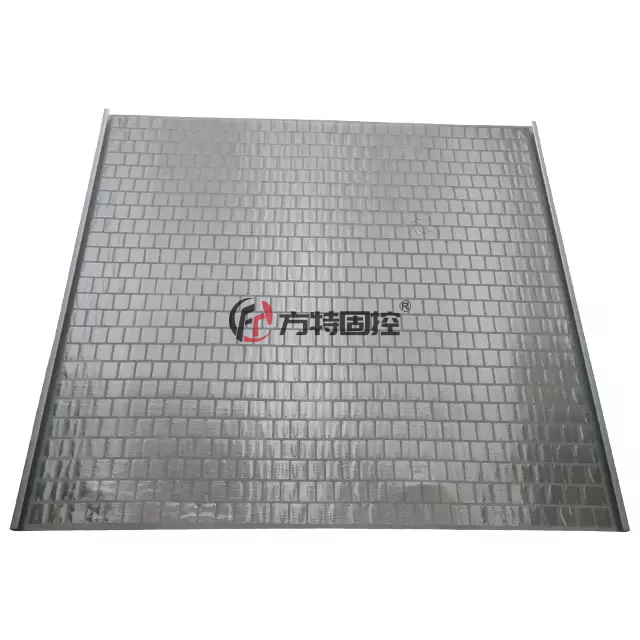
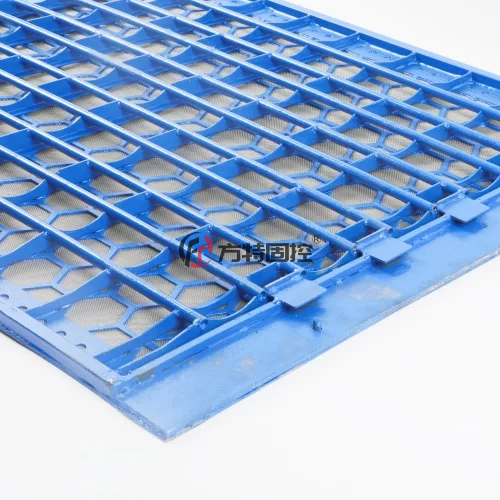
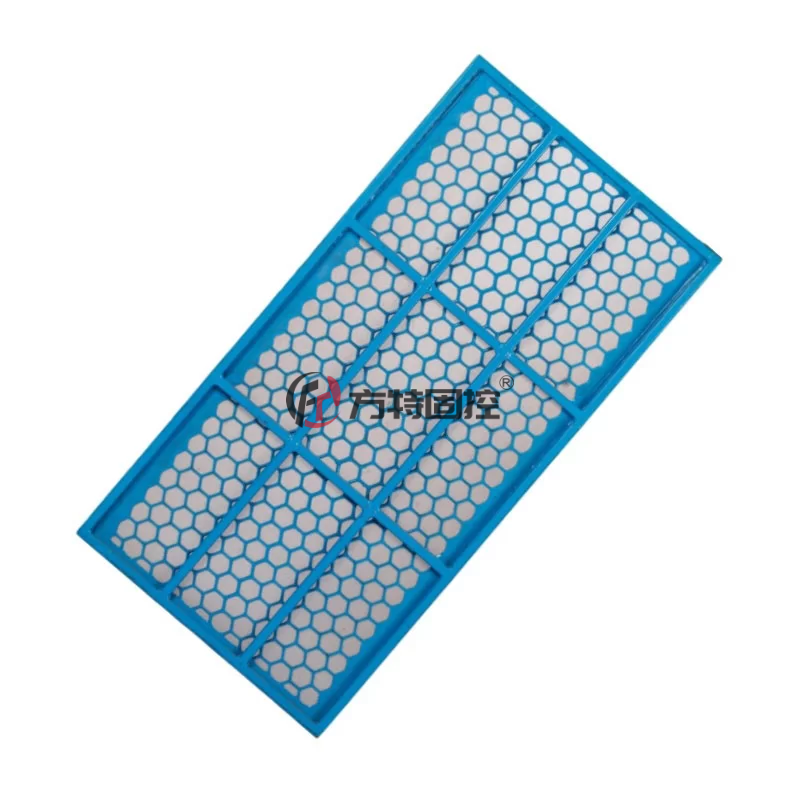
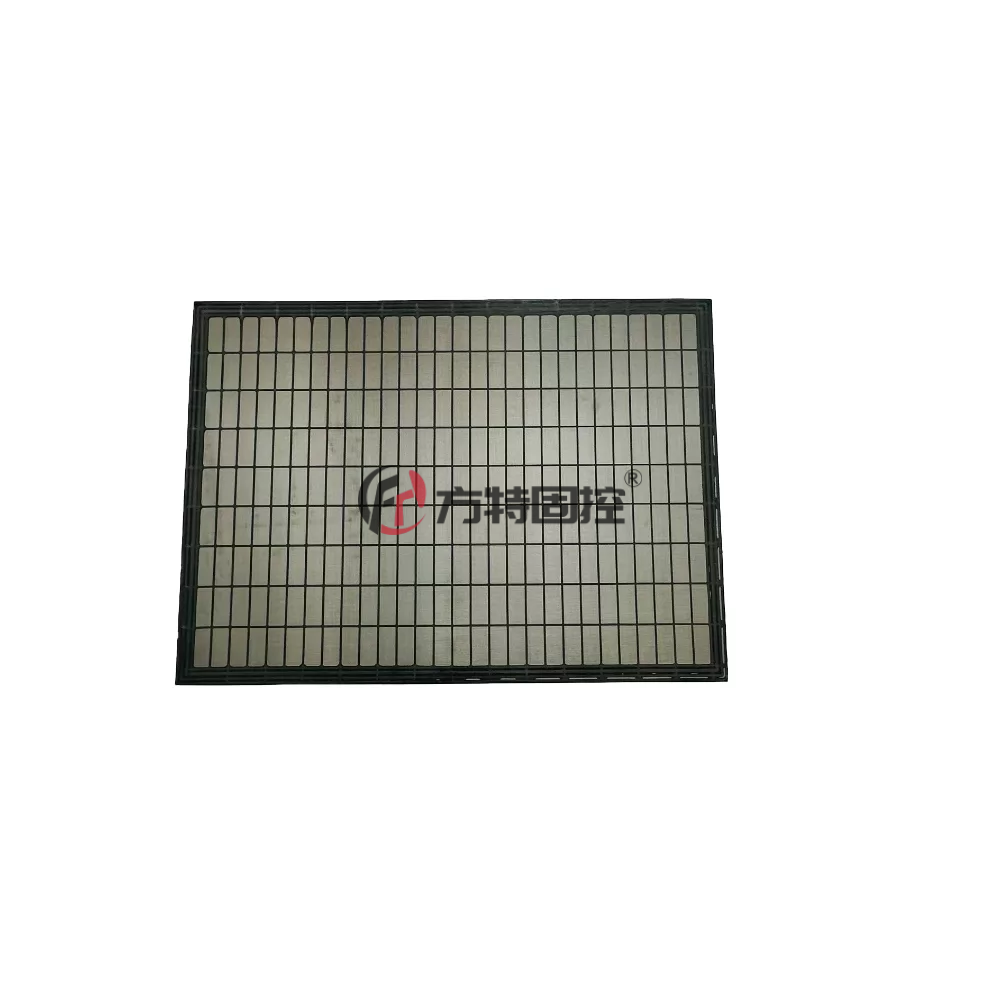
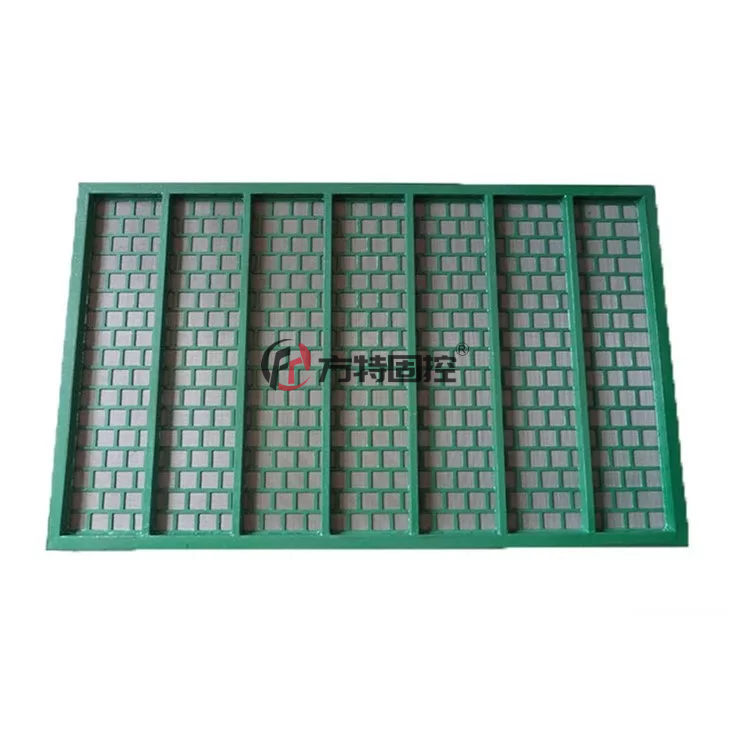
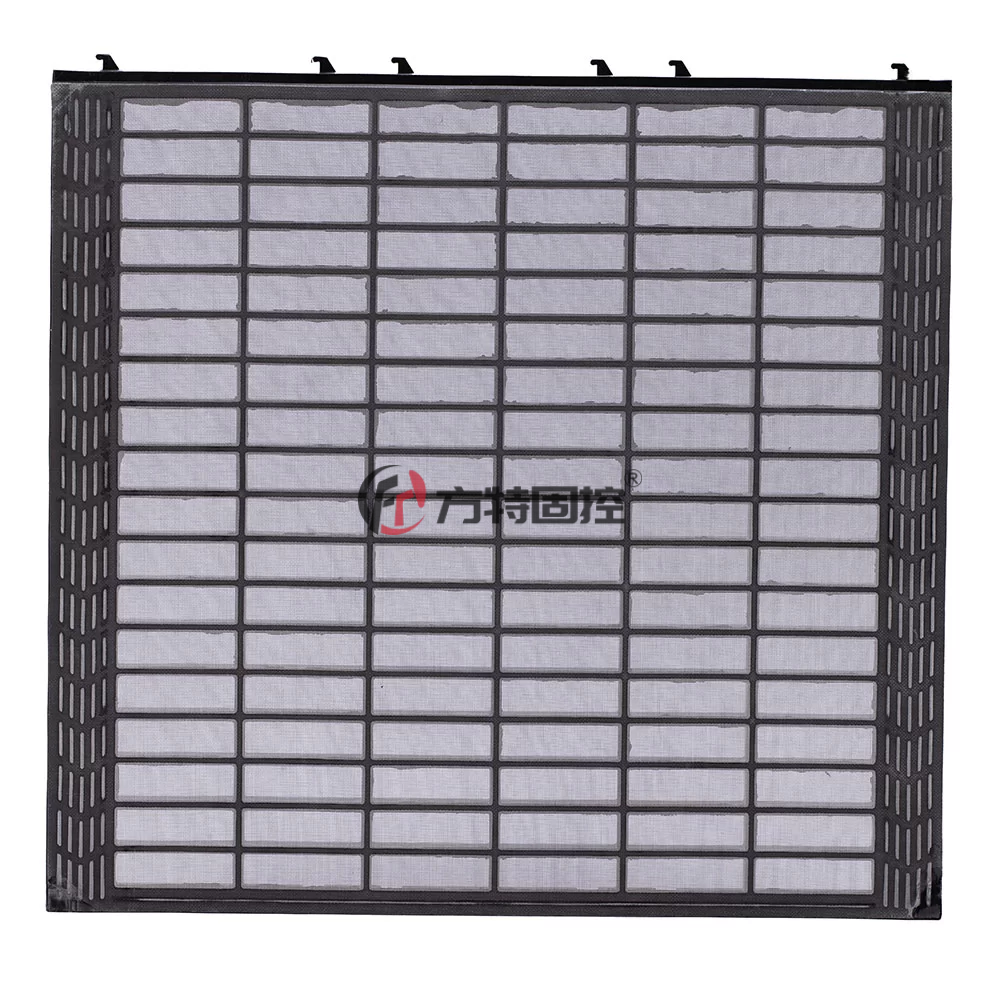
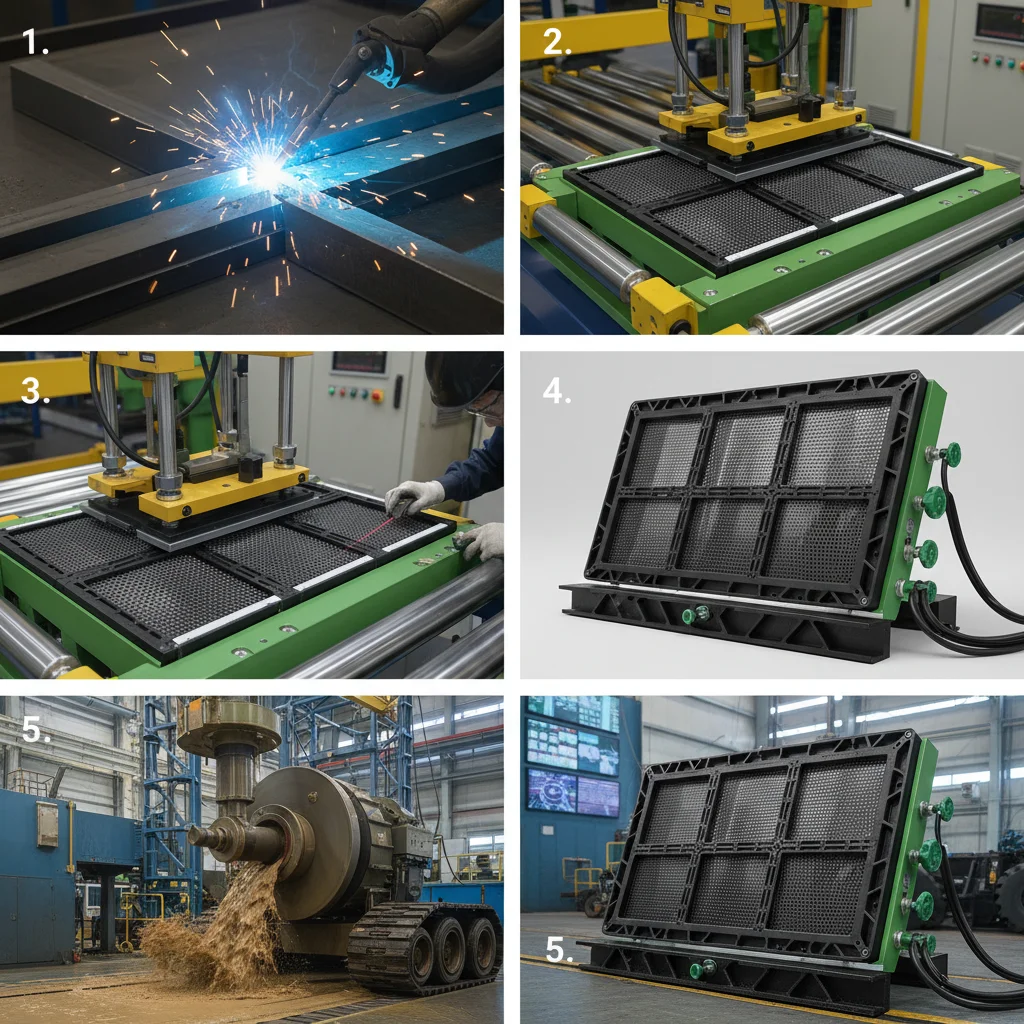
Shale shaker screens are available in several designs, each suited to different shaker models and operating conditions. The most common types include hook strip screens, steel frame screens, and composite frame screens. Hook strip screens are flexible and widely used in conventional shale shakers due to their simple installation and cost-effectiveness. Steel frame screens provide greater rigidity and strength, making them suitable for high-capacity and high-vibration applications. Composite frame screens, typically made of reinforced plastic materials, are lightweight, corrosion-resistant, and offer extended service life.
The core functional element of any shale shaker screen is the wire mesh. Mesh size, defined by the number of openings per linear inch, determines the size of particles that can be separated. Higher mesh counts allow finer solids removal, while lower mesh counts provide higher flow capacity. Selecting the correct mesh size is a critical balance between fluid throughput and solids control efficiency.
Modern shale shaker screens often use multilayer mesh construction. A fine mesh layer on top provides accurate particle separation, while one or more coarser backing layers offer structural support and durability. These layers are commonly bonded or welded together to prevent relative movement during vibration. Advanced designs, such as pyramid or corrugated screens, increase the effective screening area, allowing higher fluid flow rates without sacrificing separation efficiency.
Shale Shaker Screens Performance Factors, Selection, and Future Trends
The performance of a shale shaker screen depends not only on its design but also on operating conditions. Vibration motion (linear, elliptical, or balanced elliptical), drilling fluid properties, solids loading, and flow rate all influence screening efficiency and screen life. High-viscosity fluids or heavy solids loads may require coarser screens or adjusted shaker settings to avoid screen blinding and excessive fluid loss.
Proper screen selection is essential for cost control. While high-quality screens may have a higher initial price, they often provide longer service life, better solids removal, and reduced non-productive time. Screen failure can lead to drilling fluid losses, environmental issues, and unplanned shutdowns, making total cost of ownership a more meaningful metric than purchase price alone.
Looking ahead, shale shaker screen technology continues to advance. Innovations in materials, bonding methods, and surface geometry are improving durability and performance. Enhanced screen designs now allow operators to use finer meshes while maintaining high throughput, supporting more efficient and environmentally responsible drilling operations.
In conclusion, the shale shaker screen is a vital component that significantly influences drilling performance and operational efficiency. Through proper design, selection, and application, shale shaker screens help optimize solids control, reduce costs, and support sustainable drilling practices in increasingly challenging environments.